Filters

Filters

£
to
£
83 products
Sort by
Sort by
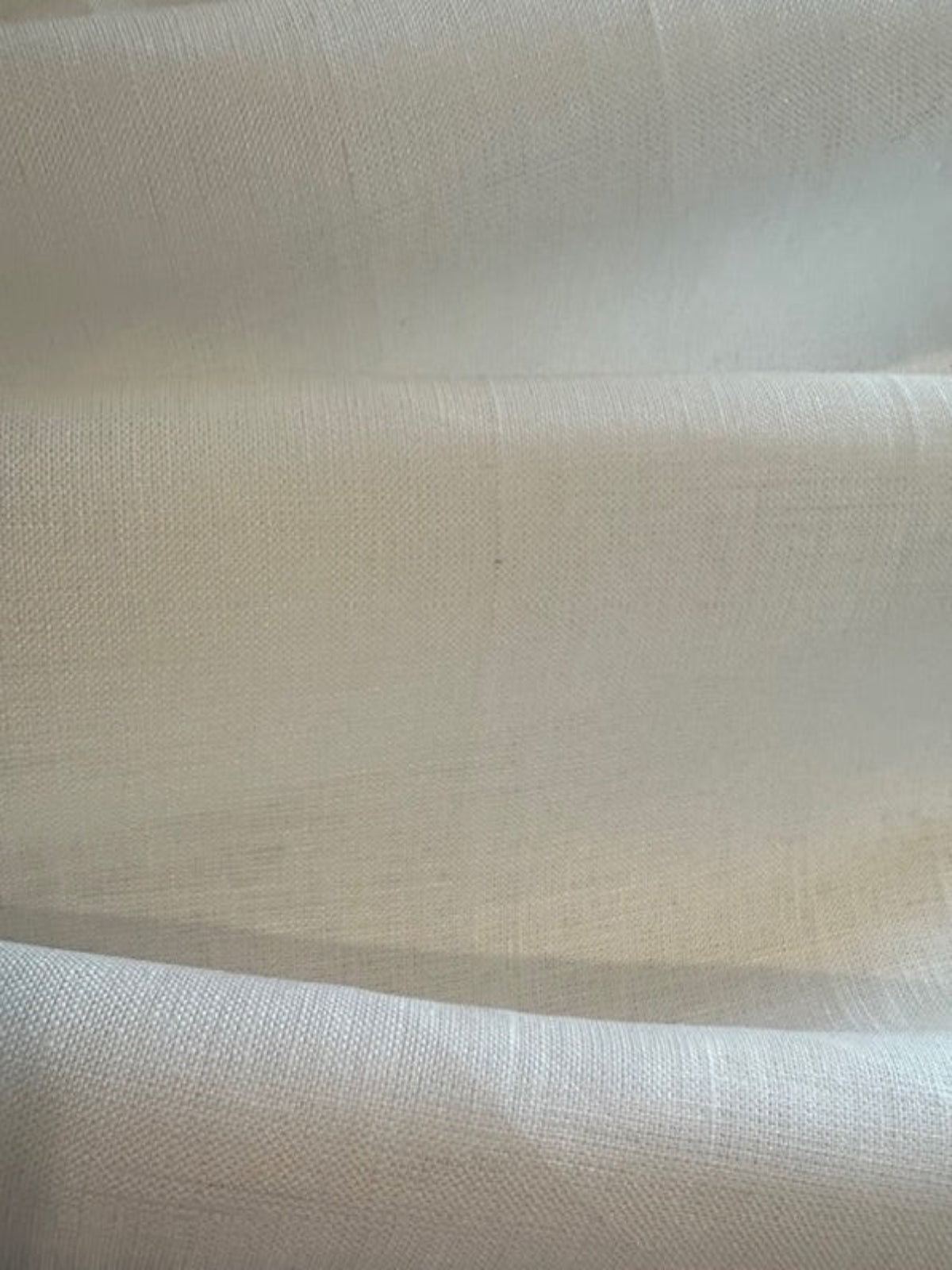
91 In Stock
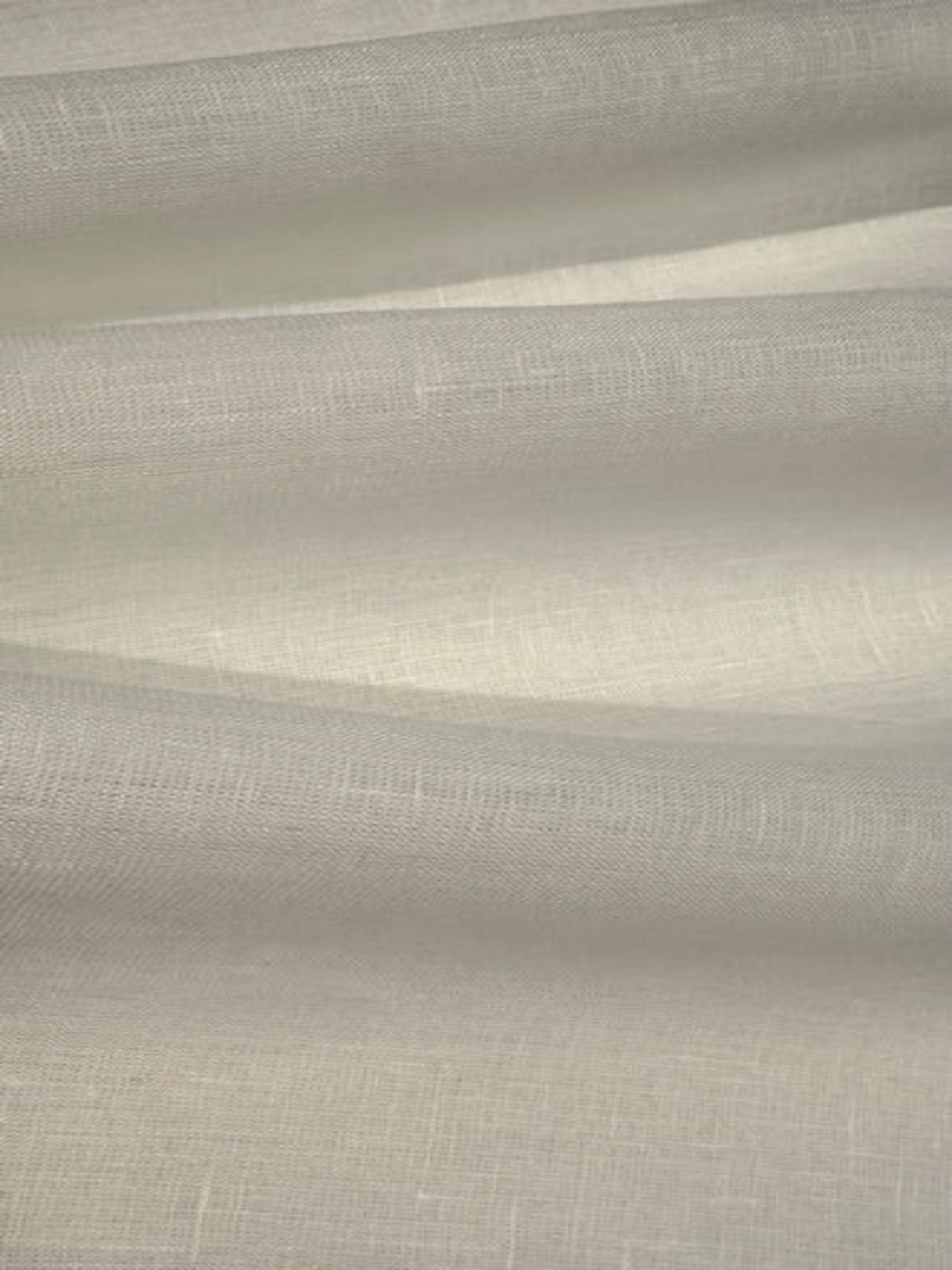
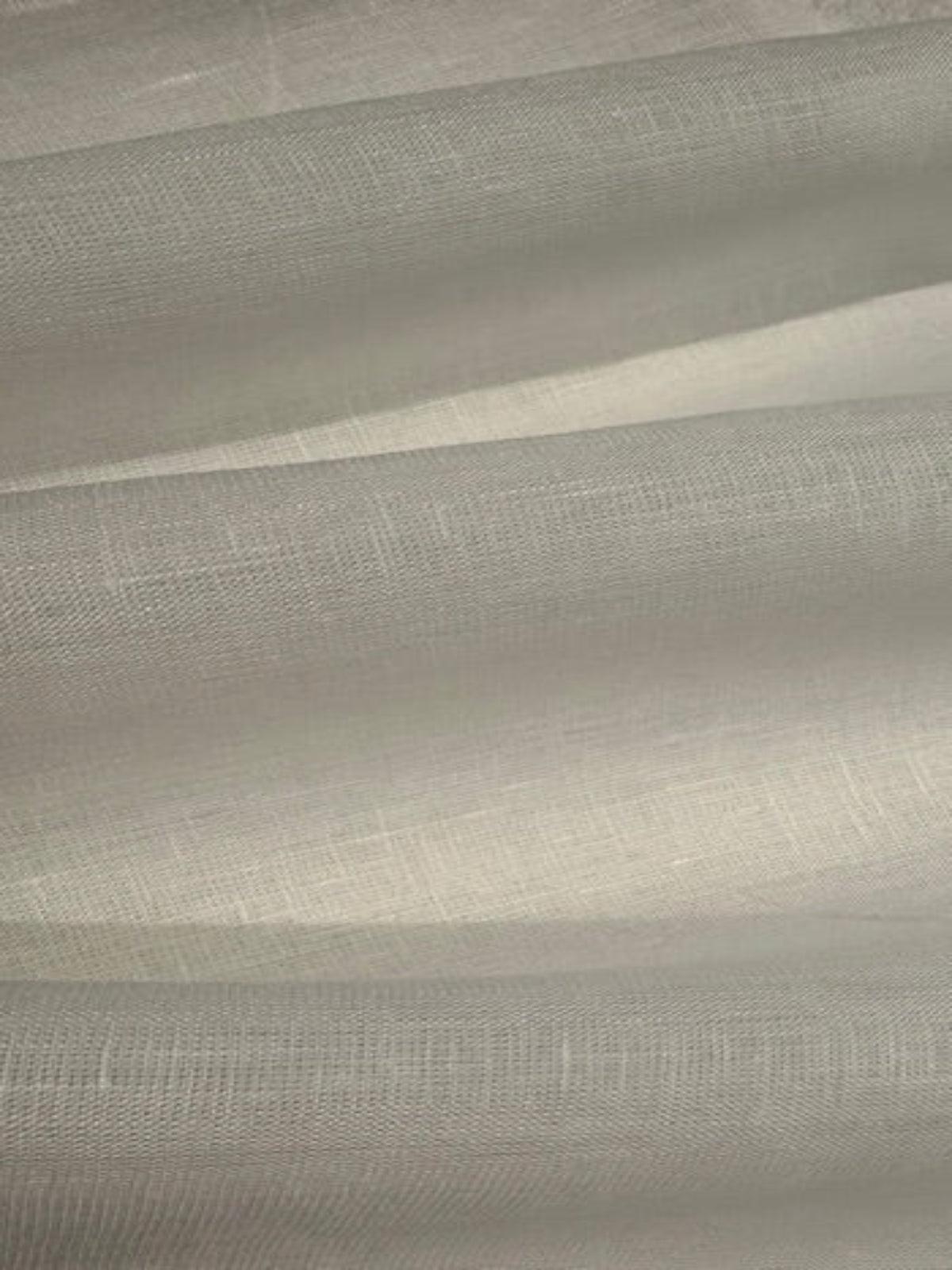
White Linen/Viscose Mix, Slubbed Look White Linen/Viscose Mix, Slubbed Look
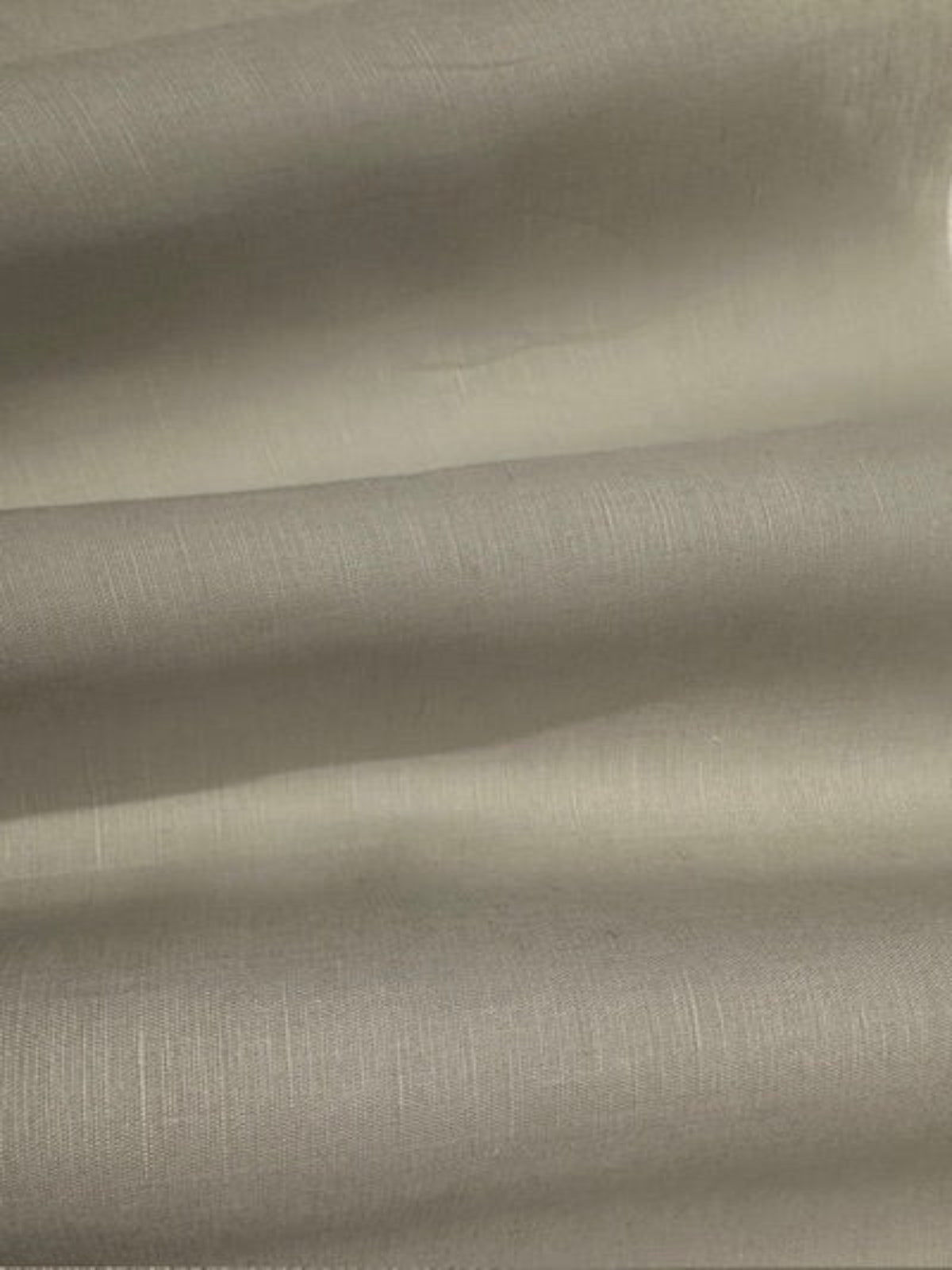
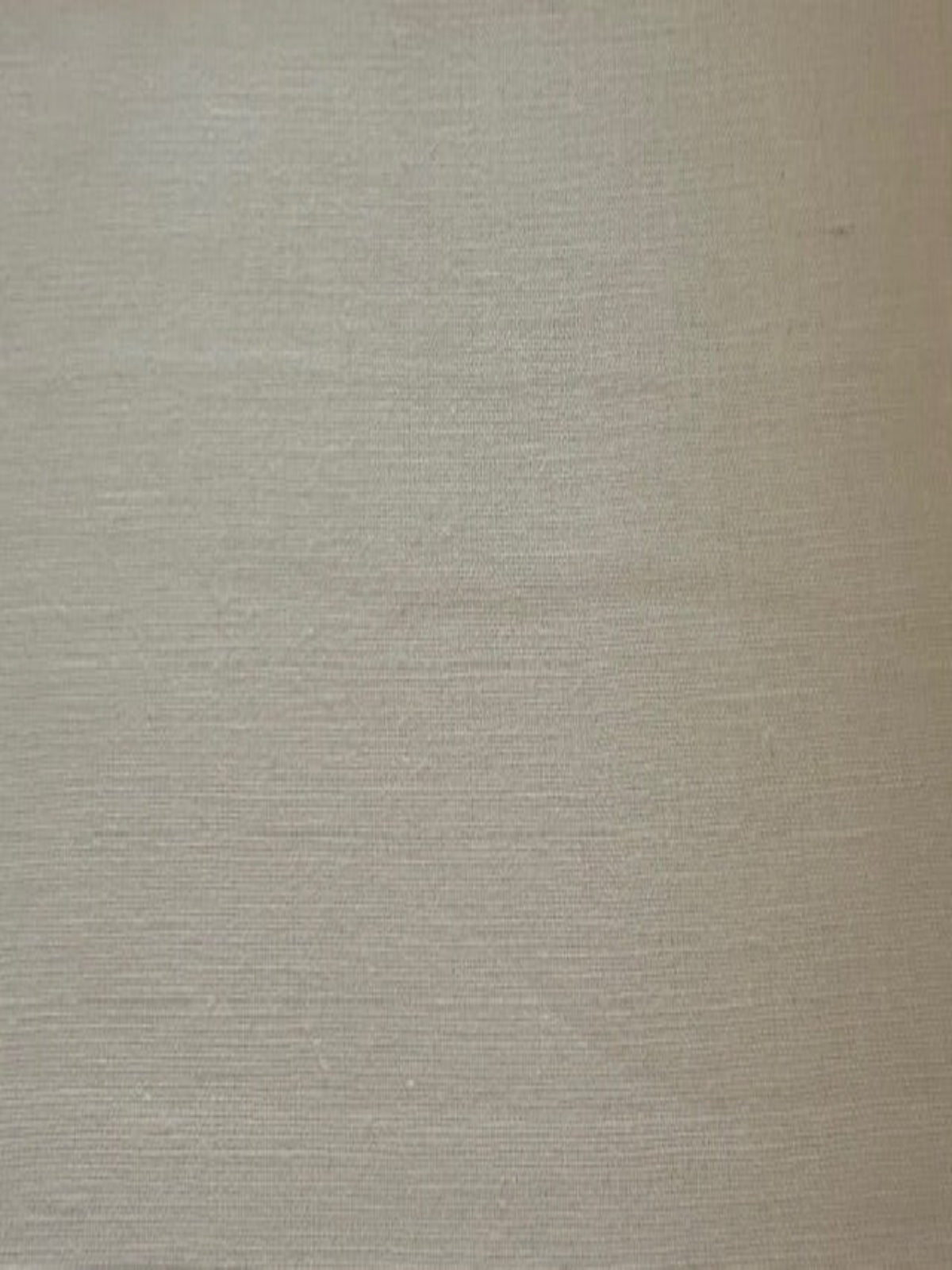
94 In Stock
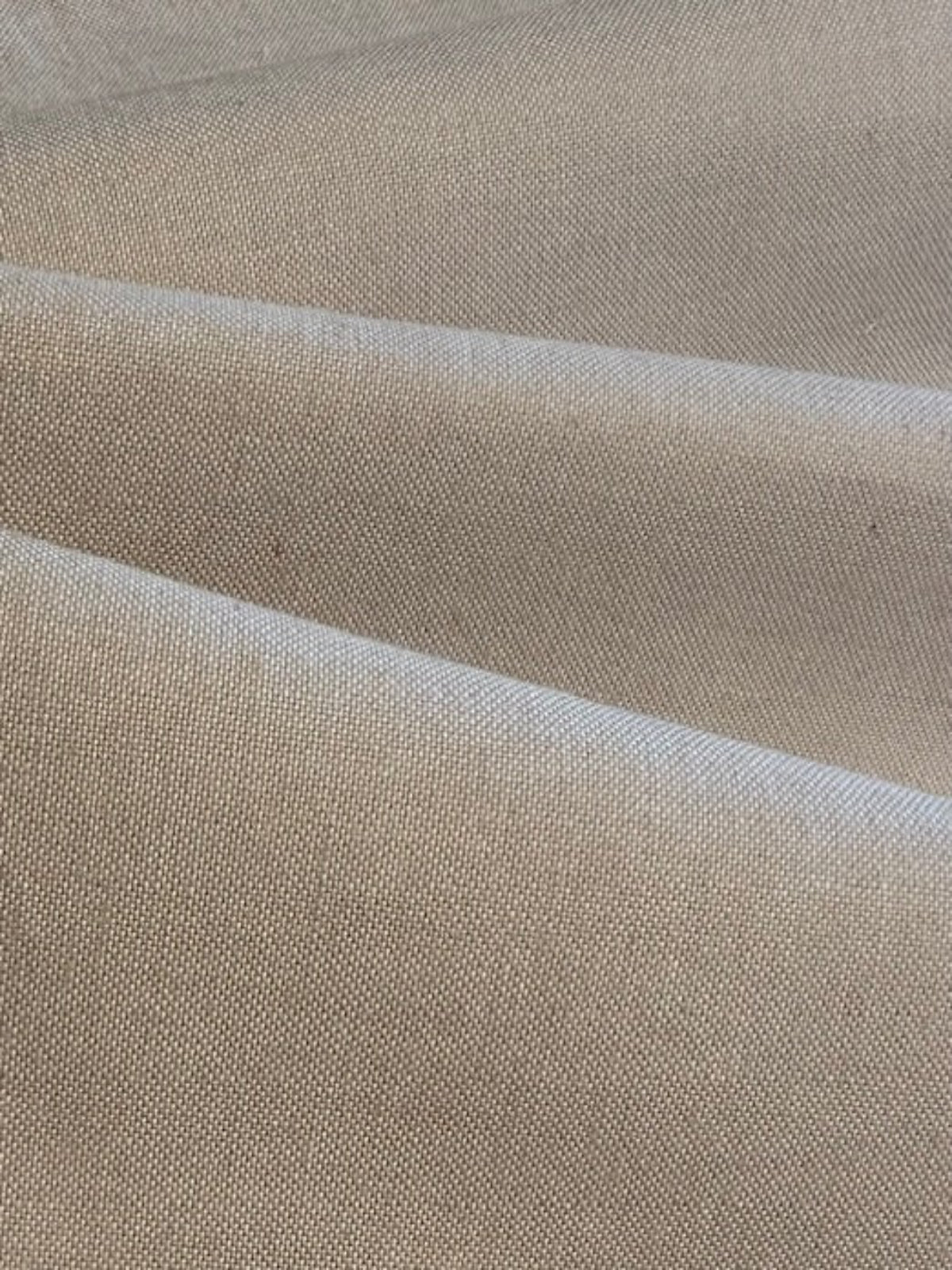
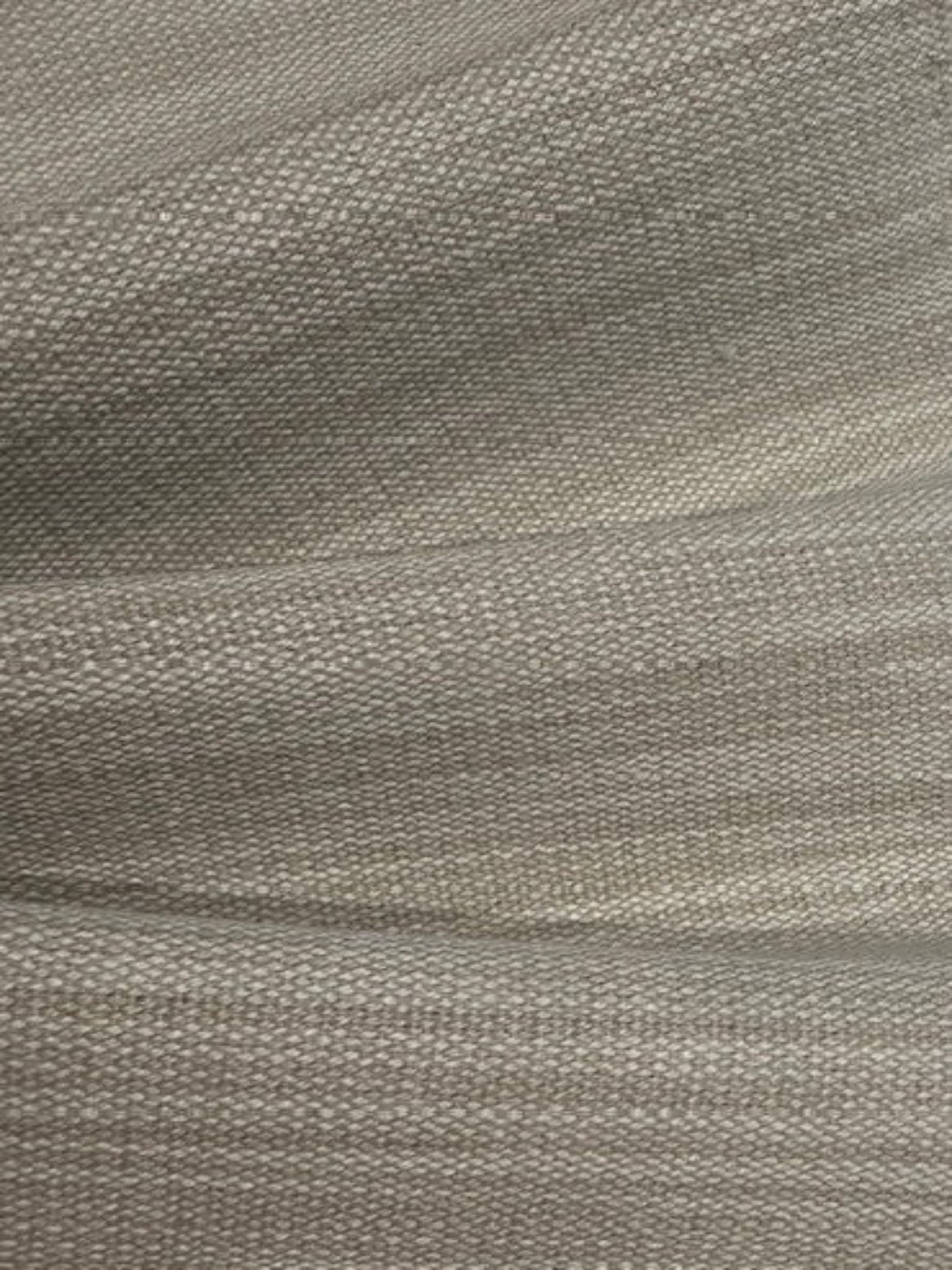
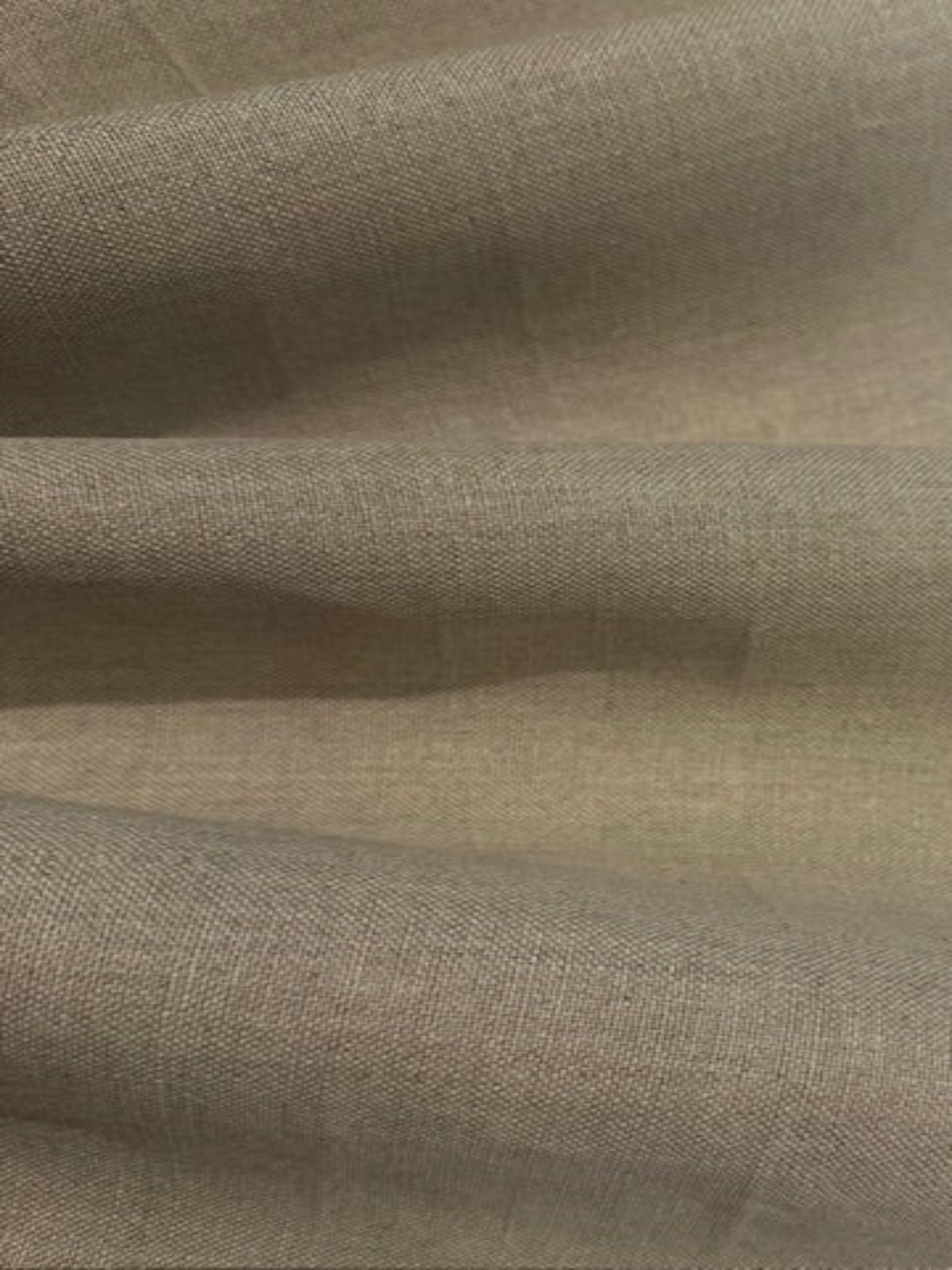
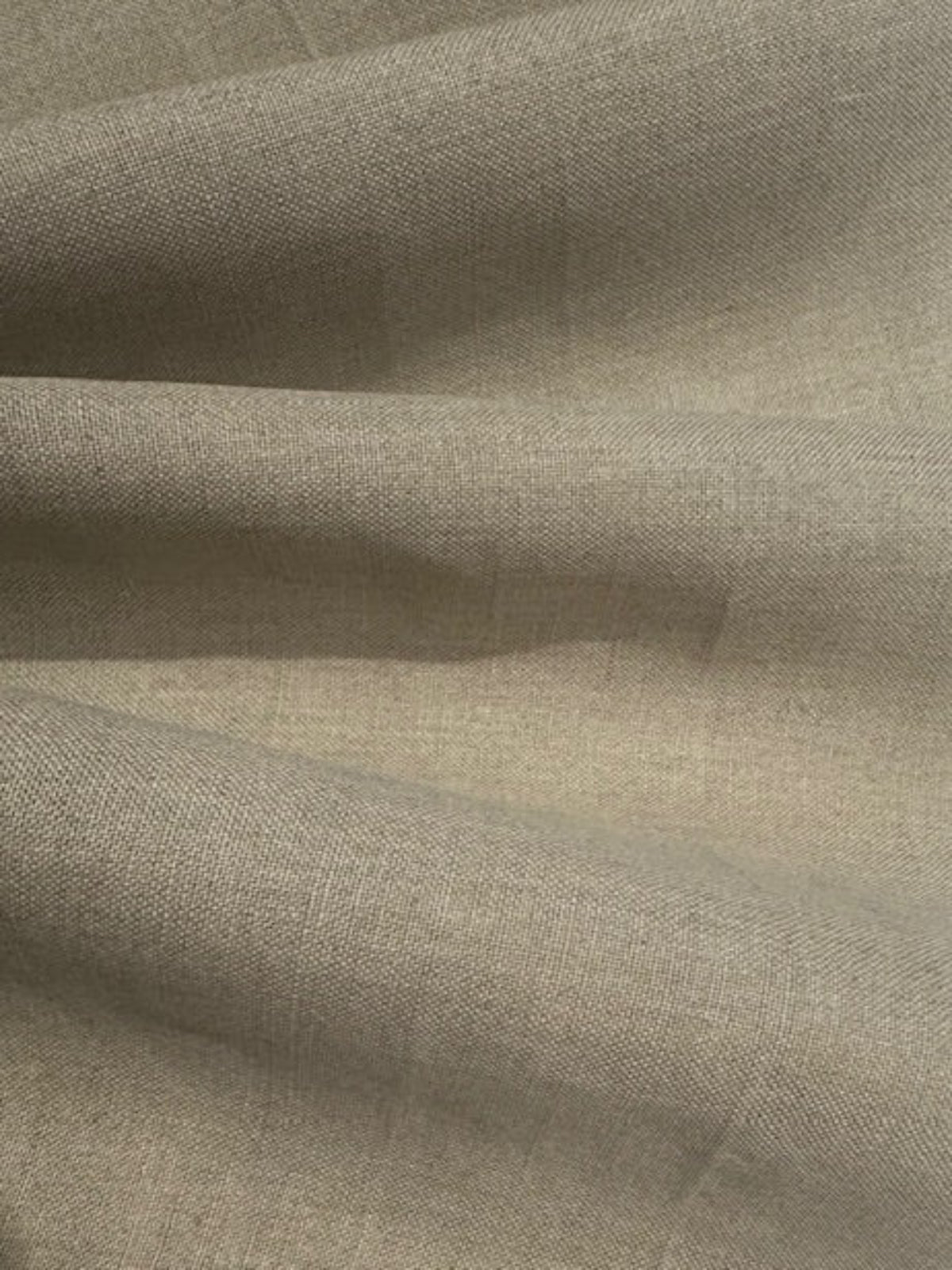
Sand Linen/Viscose Mix, Slubbed Look Sand Linen/Viscose Mix, Slubbed Look
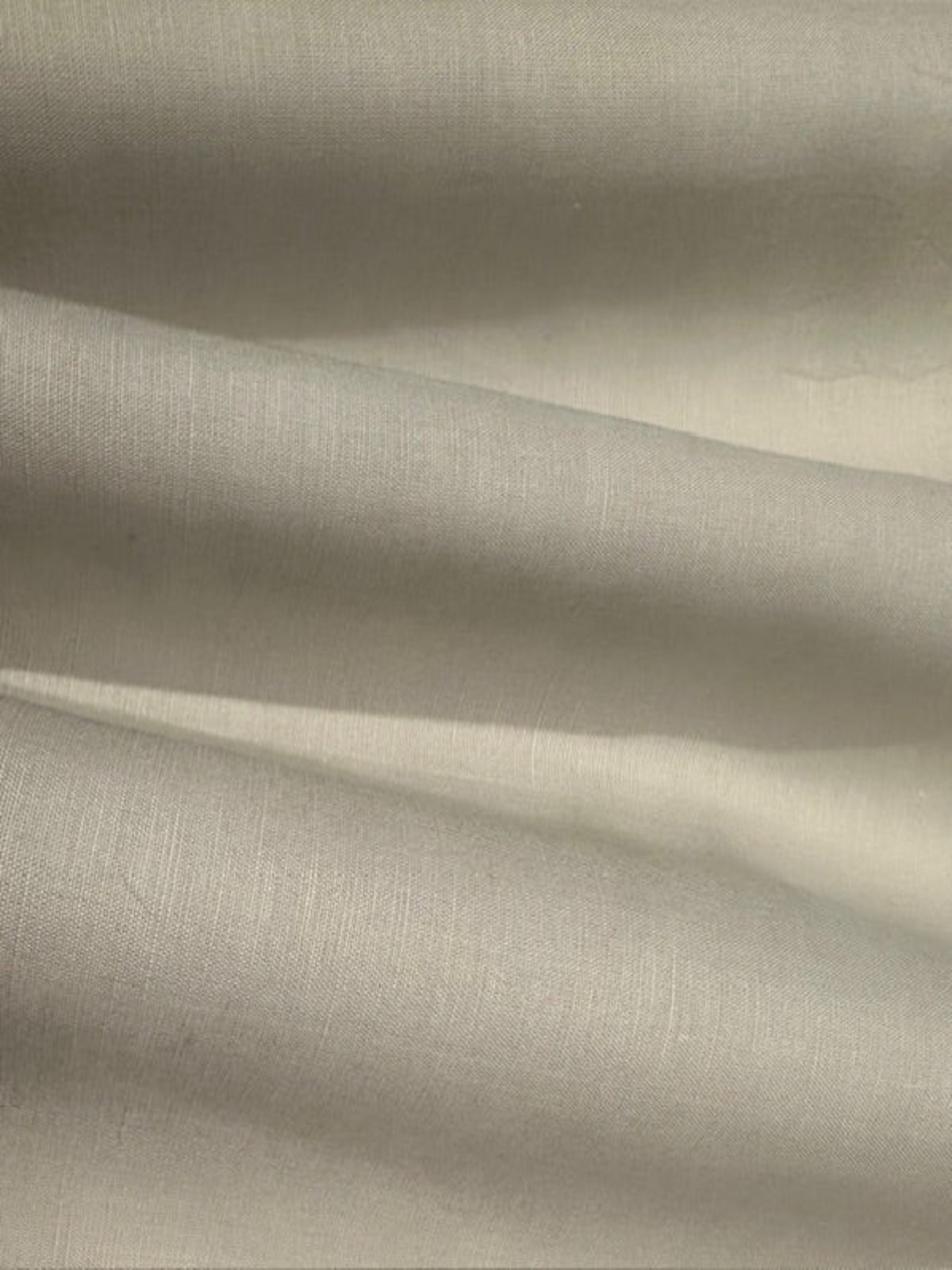
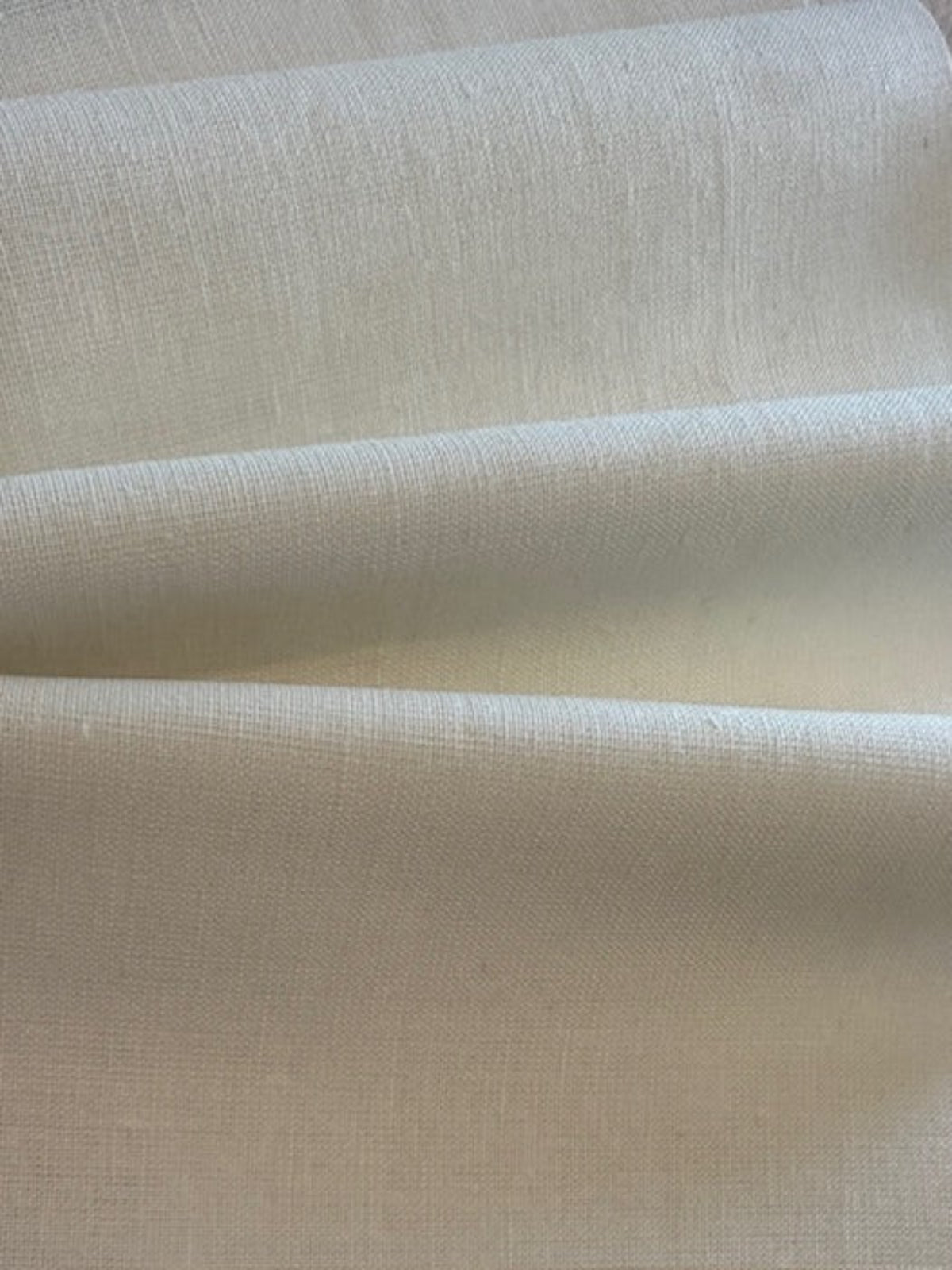
89 In Stock
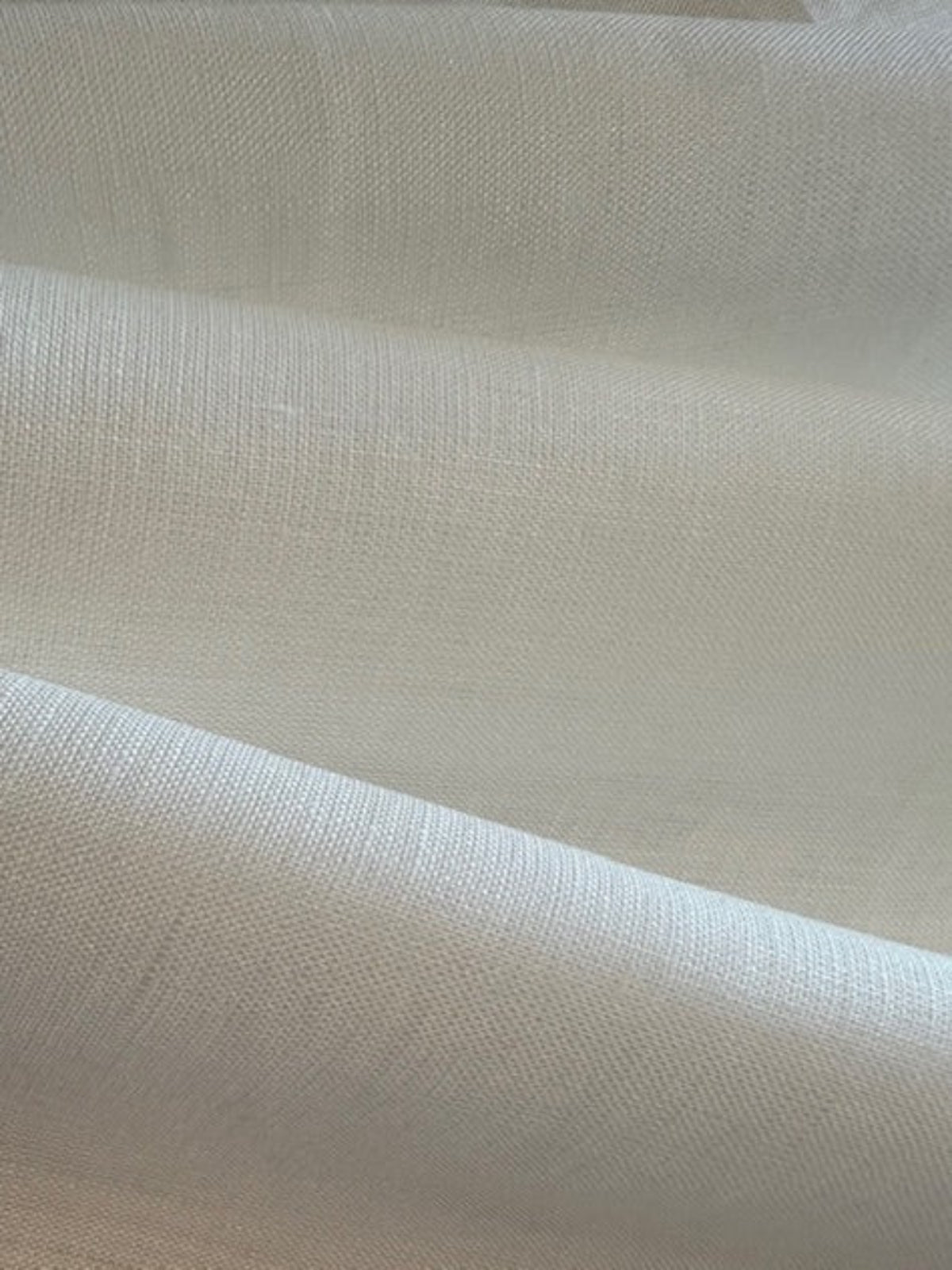
Ivory Linen/Viscose Mix, Slubbed Look Ivory Linen/Viscose Mix, Slubbed Look
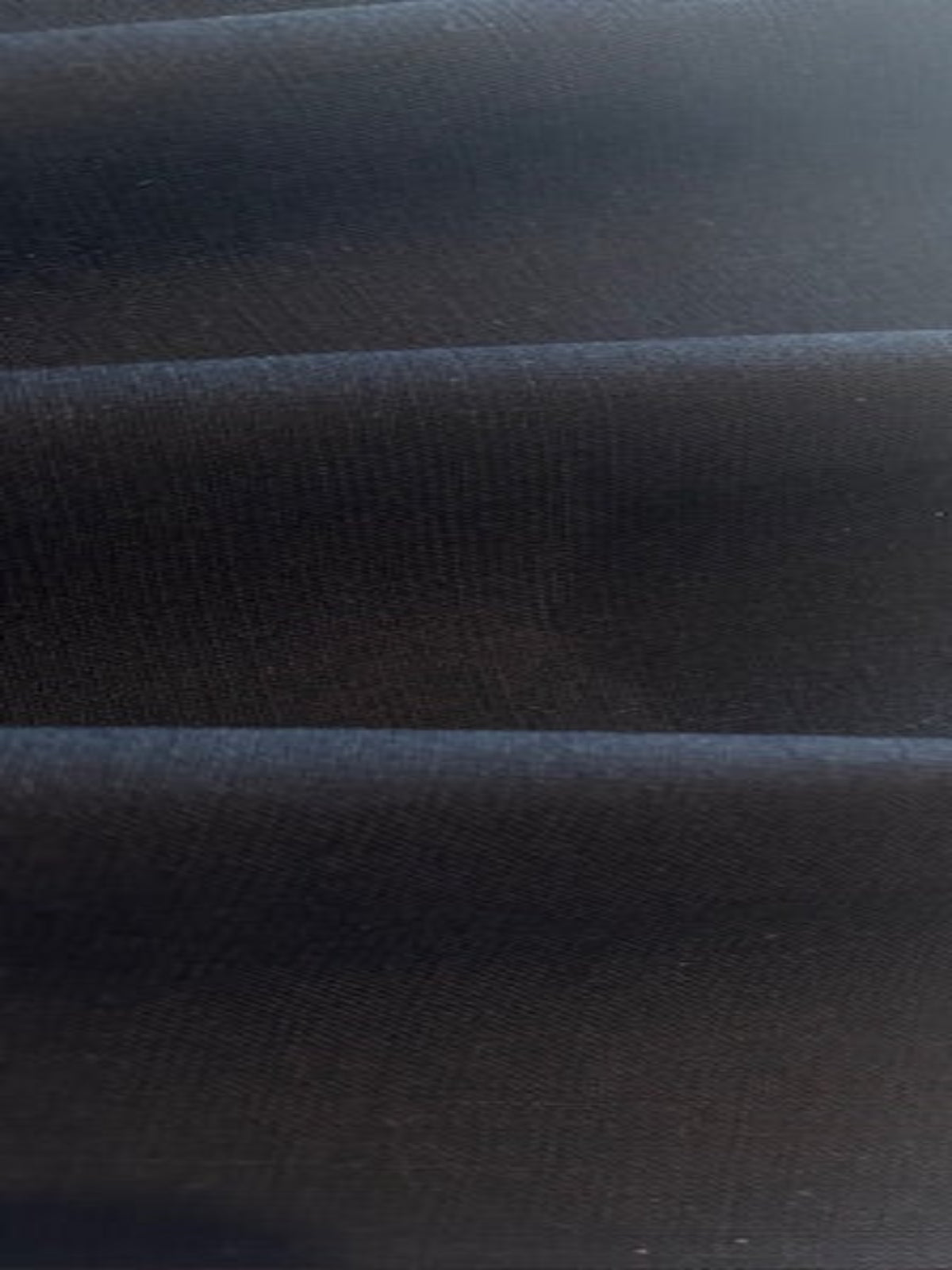
28 In Stock
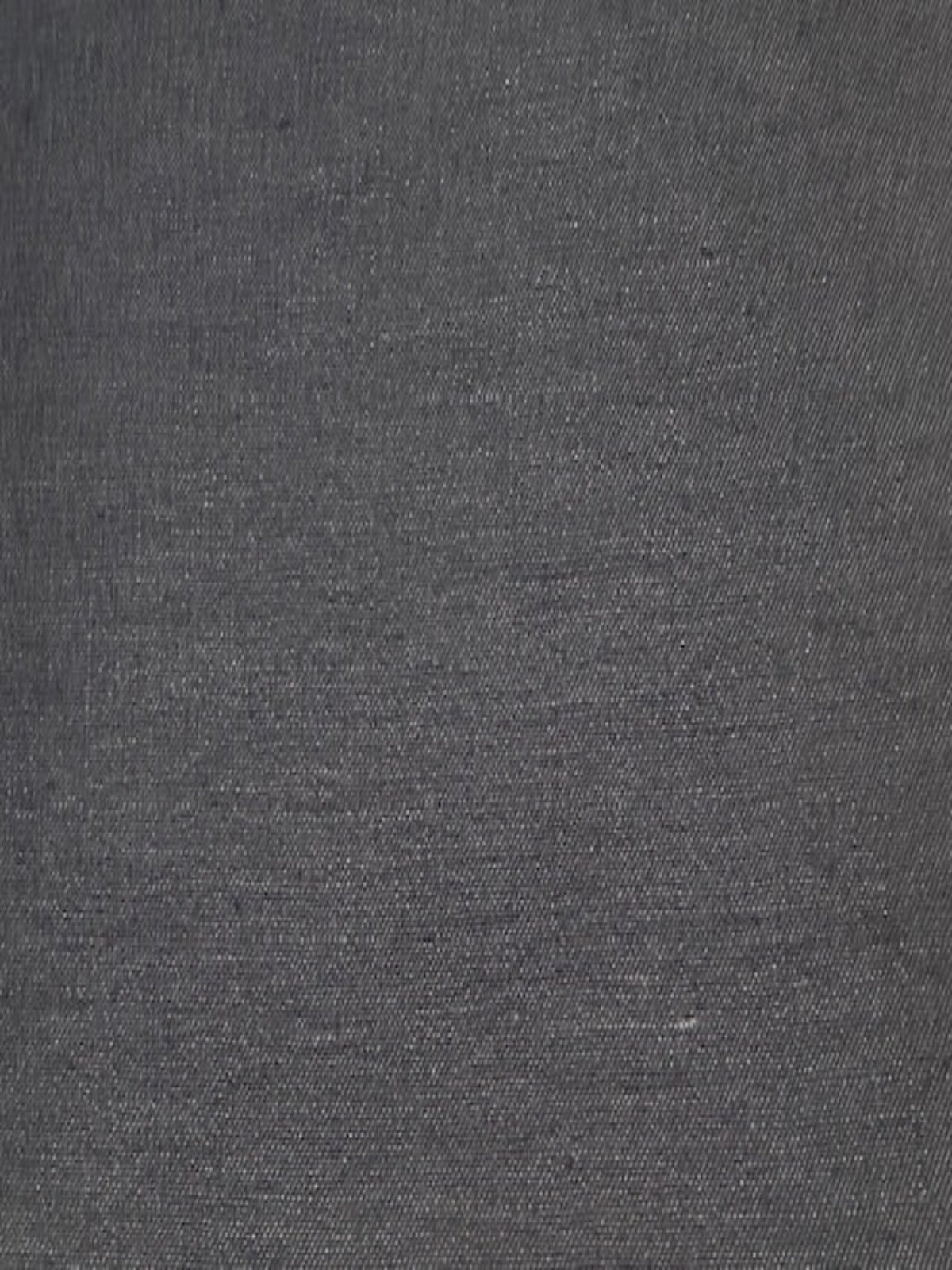
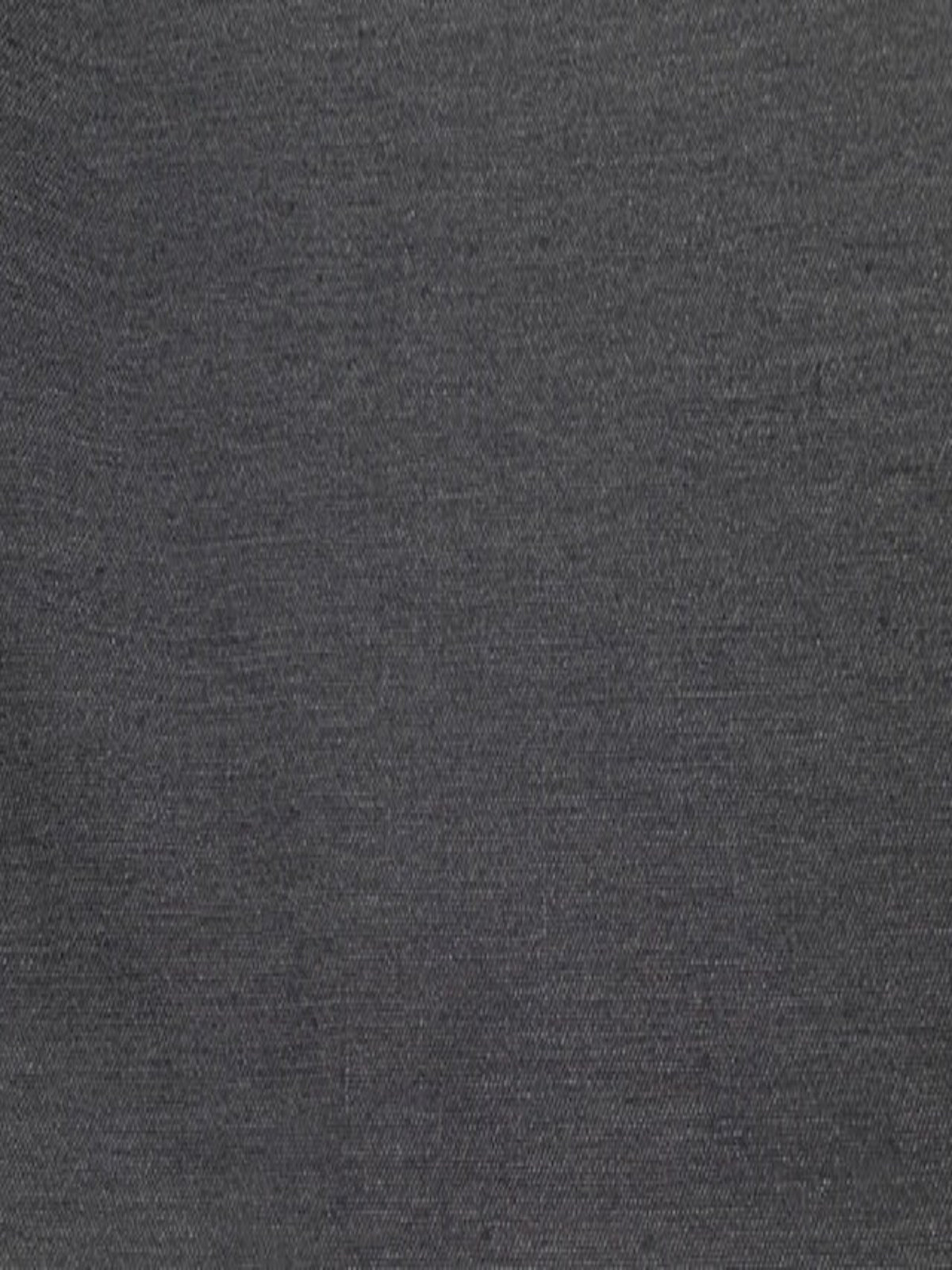
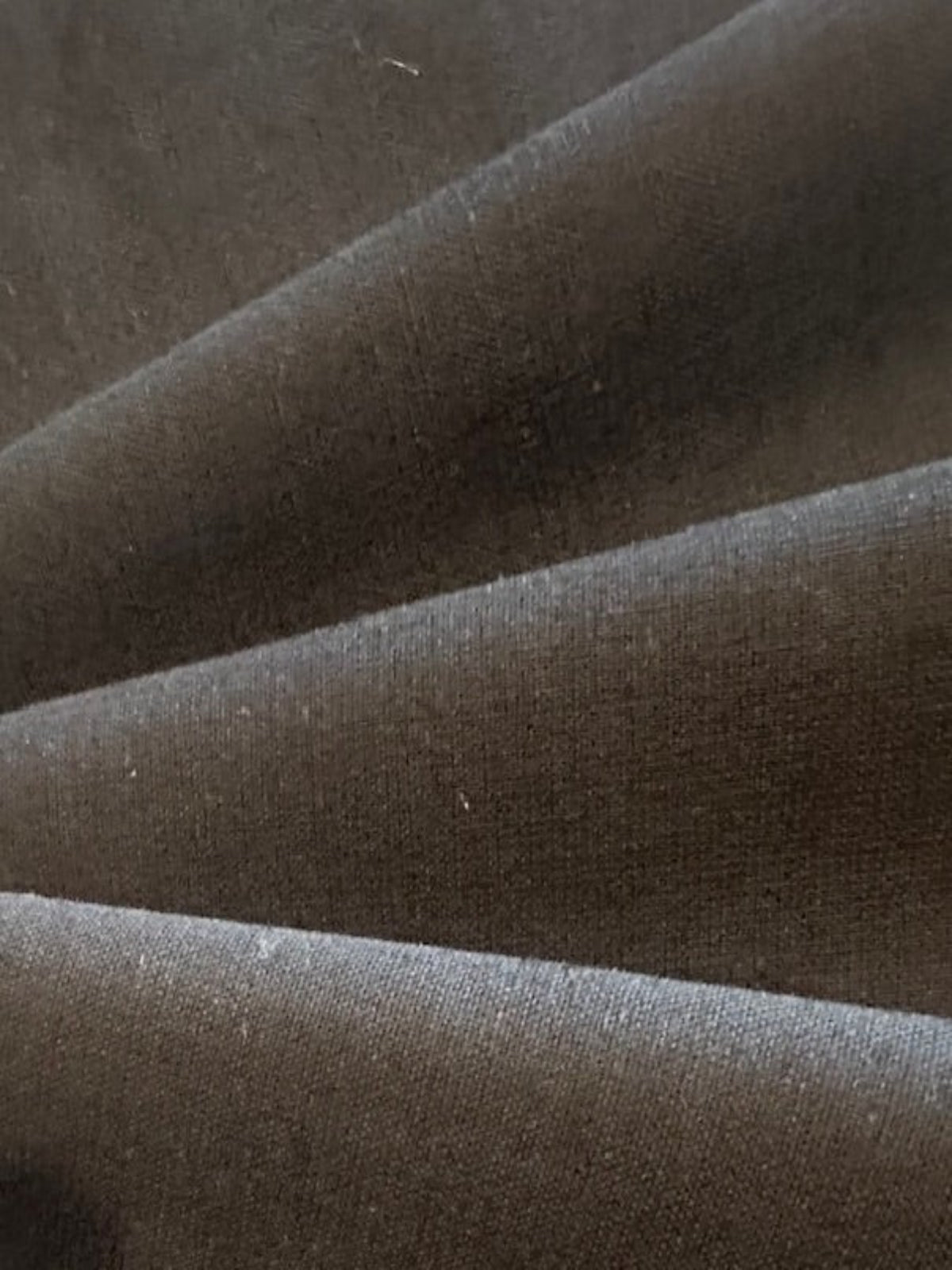
Black Linen/Viscose Mix, Slubbed Look Black Linen/Viscose Mix, Slubbed Look
Only 5 In Stock
Ivory Hessian Like Linen Ivory Hessian Like Linen
20 In Stock
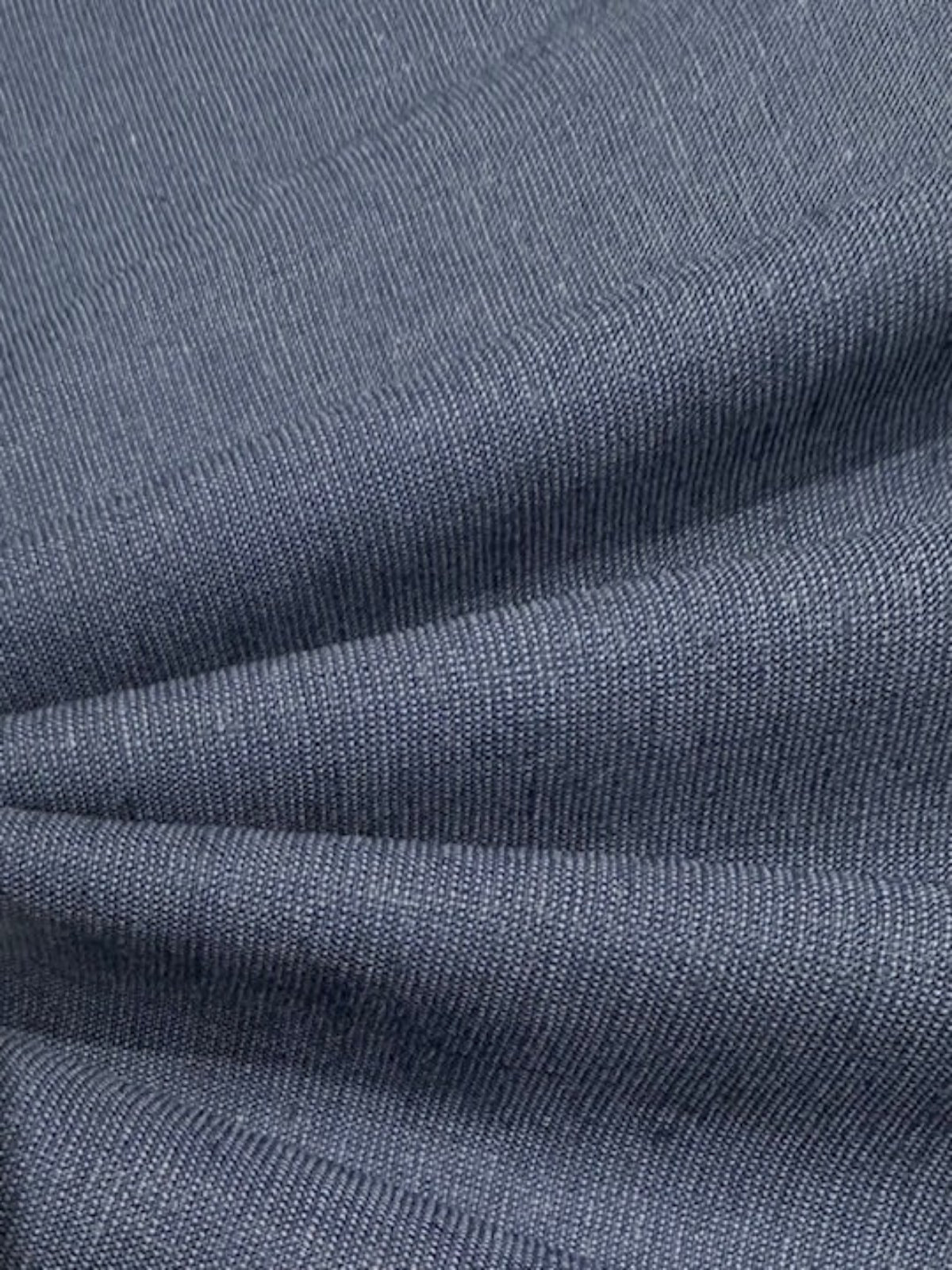
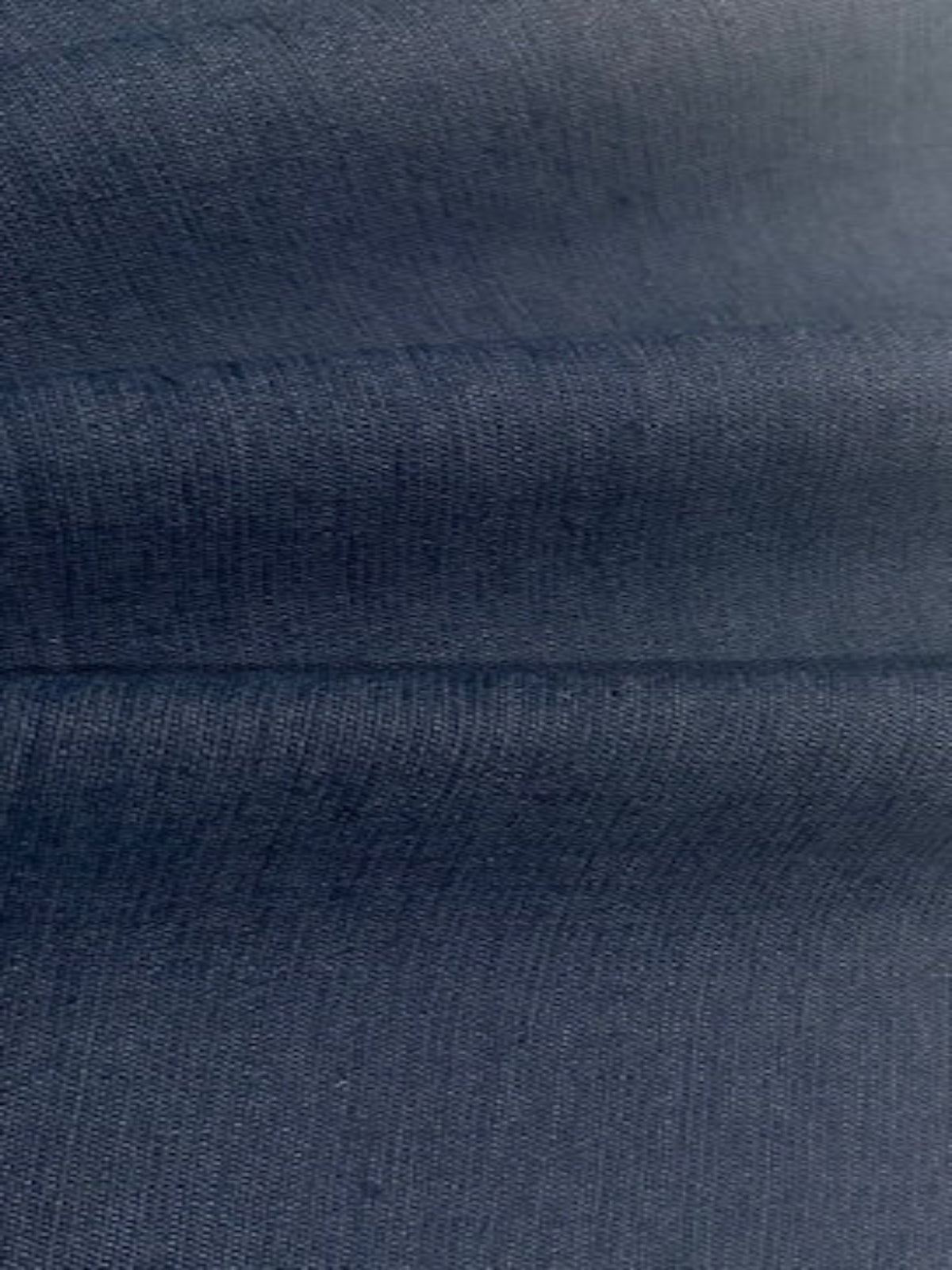
Dusty Blue Two Tone Linen Cotton Stretch Fabric – Shirts, Trousers & Interiors Dusty Blue Two Tone Linen Cotton Stretch Fabric – Shirts, Trousers & Interiors
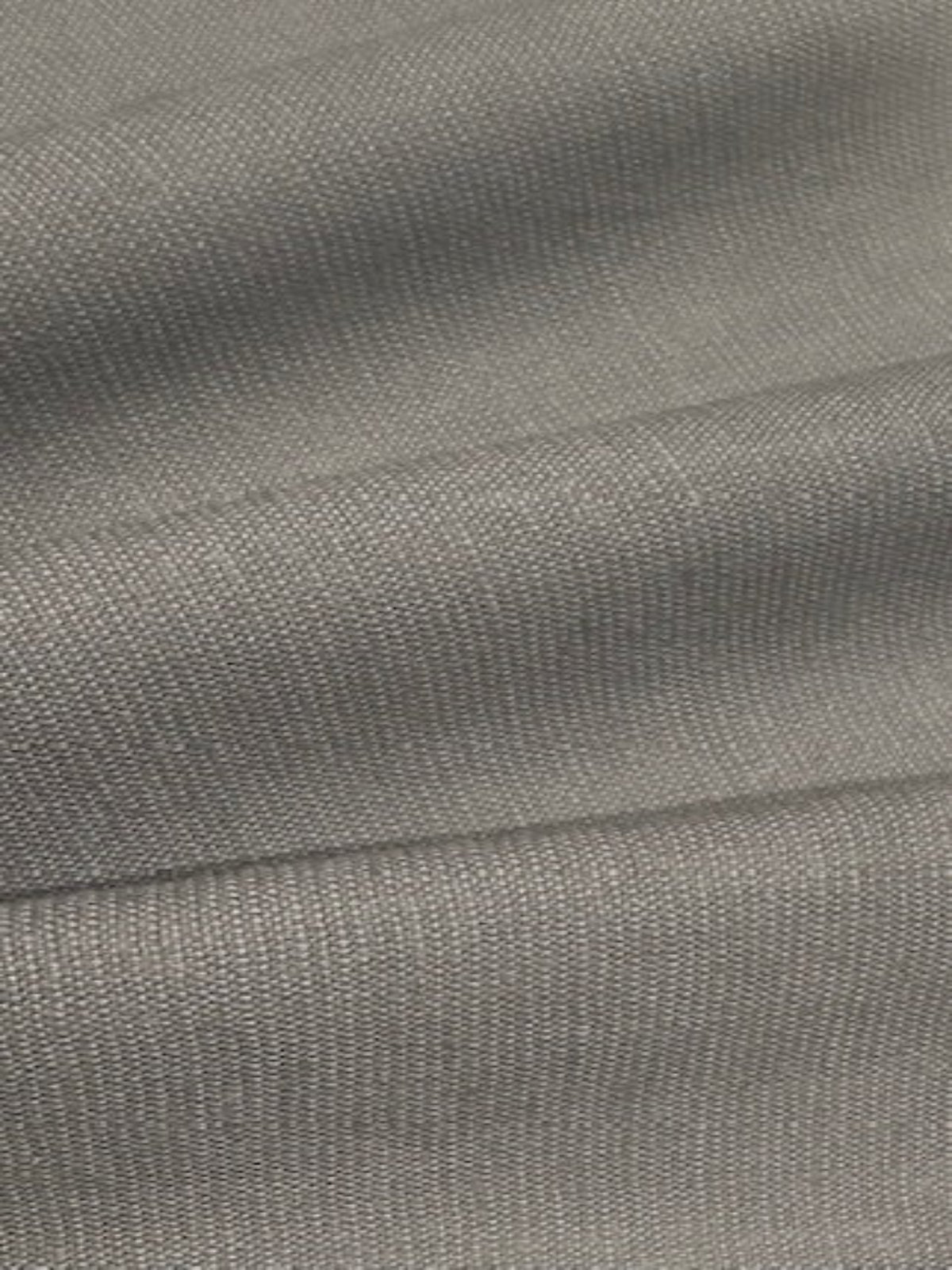
47 In Stock
Platinum Grey Two Tone Linen/Cotton With One Way Stretch Platinum Grey Two Tone Linen/Cotton With One Way Stretch
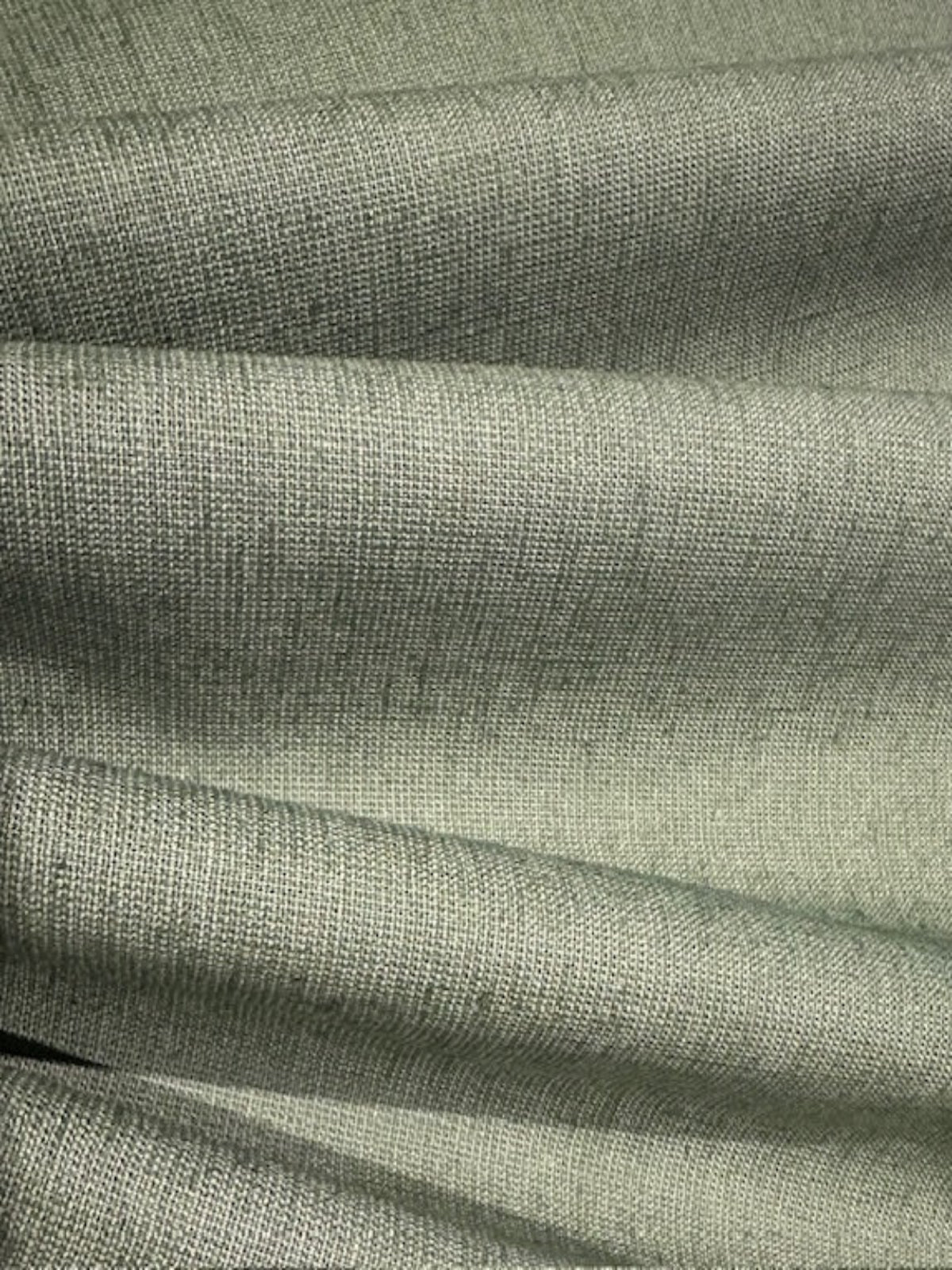
41 In Stock
Pastel Sage Green Lightweight Linen/Cotton Blend Pastel Sage Green Lightweight Linen/Cotton Blend
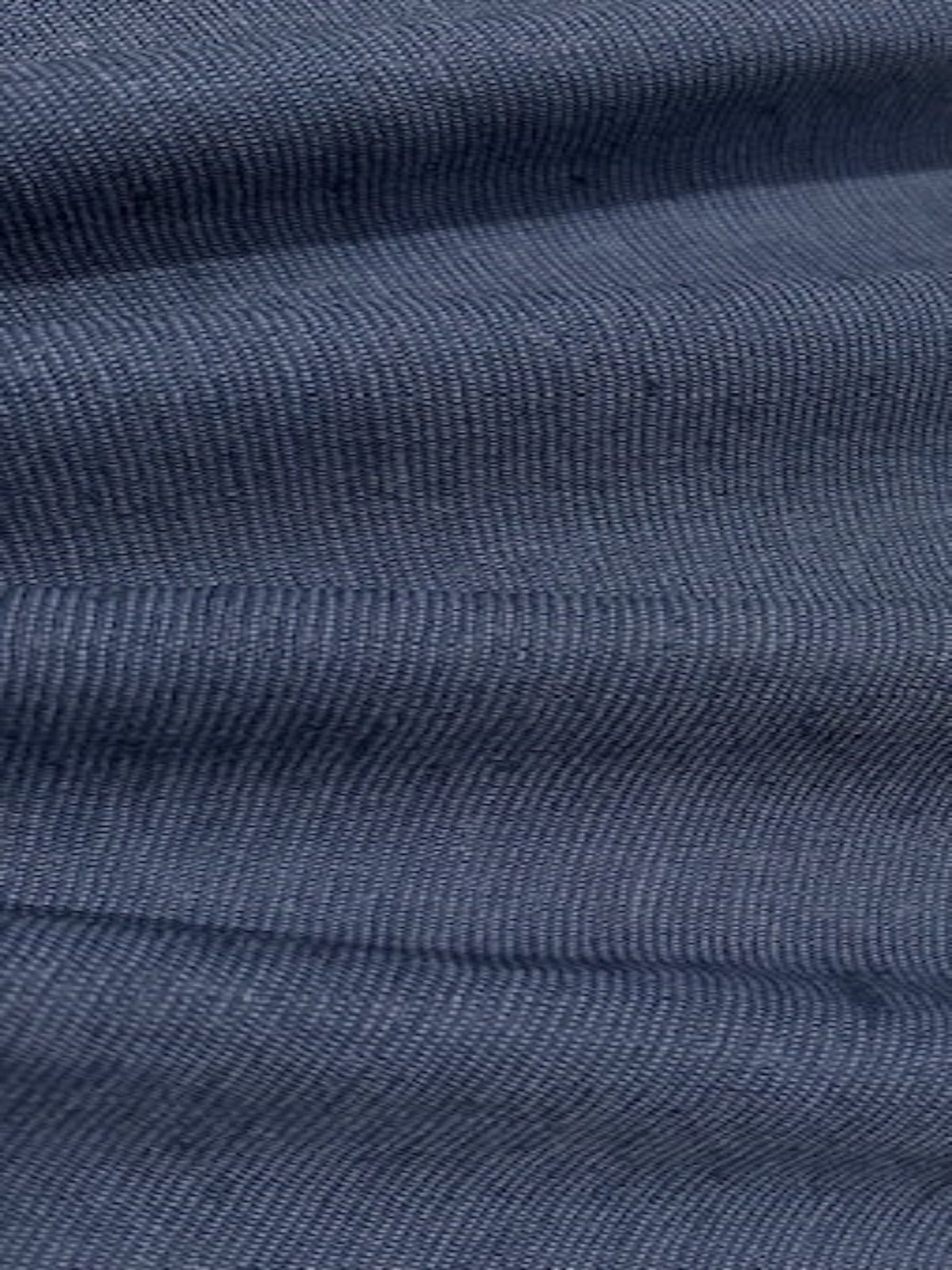
19 In Stock
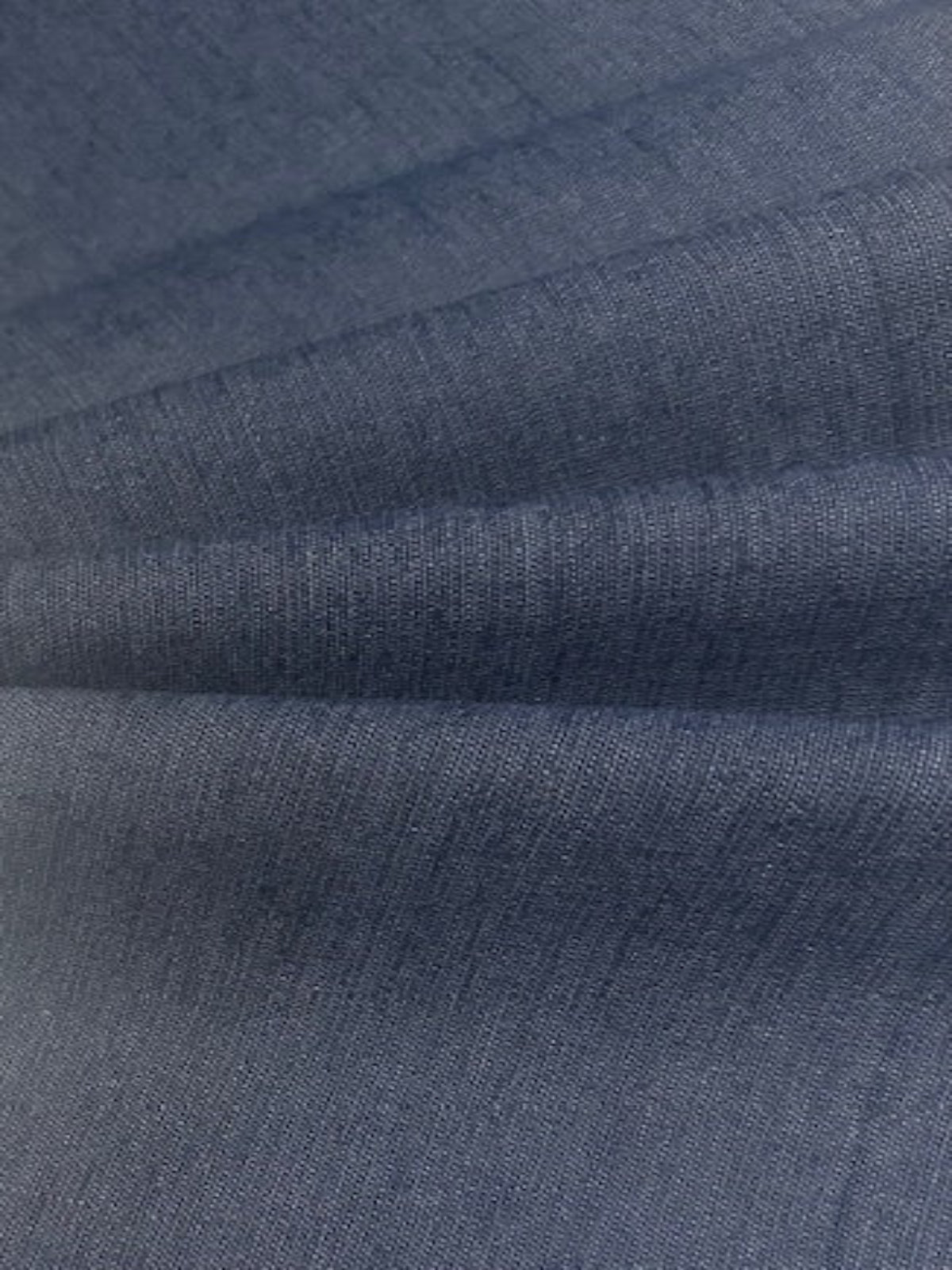
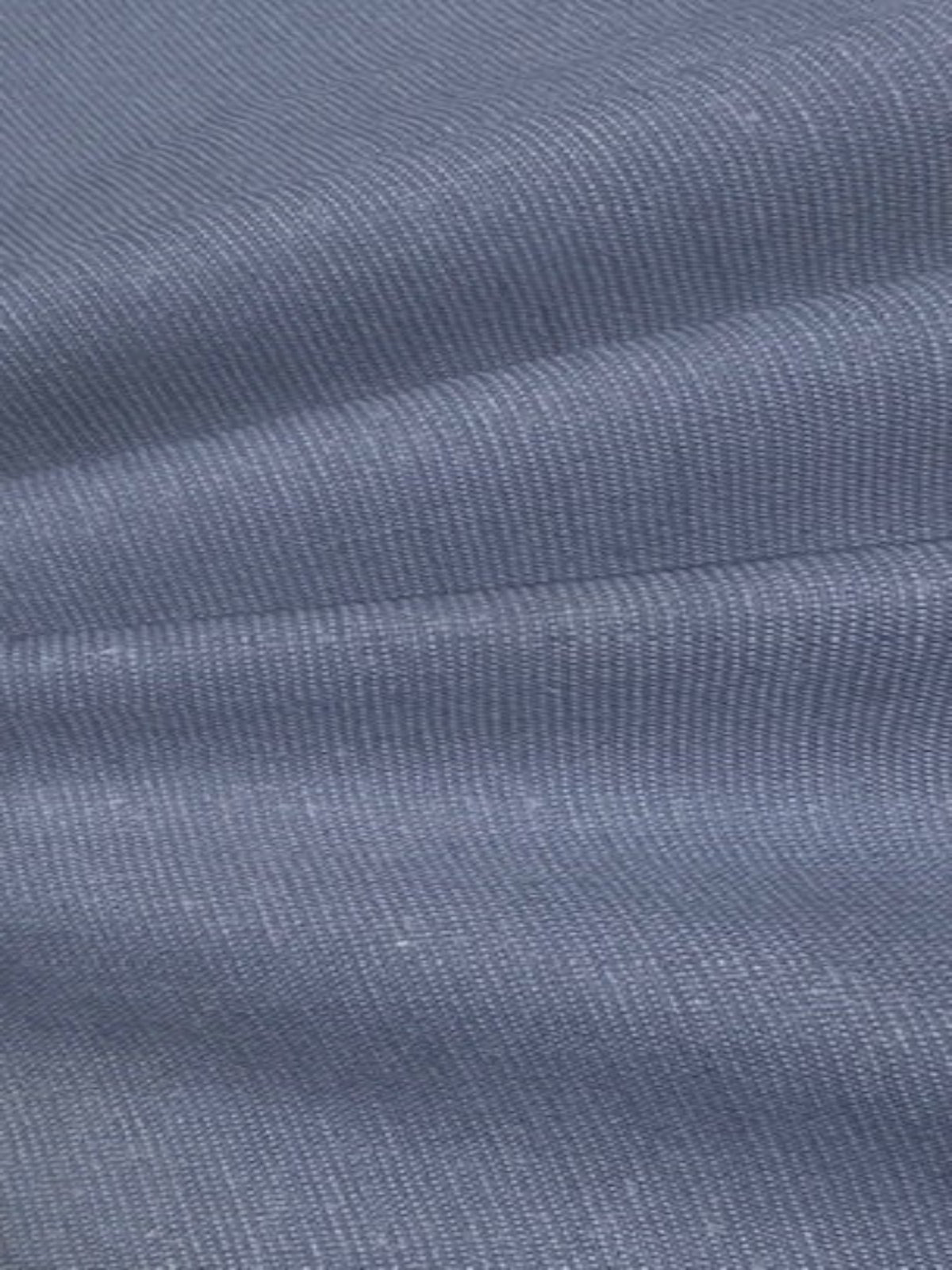
Denim Blue 2-Tone Linen/Cotton Mix – Textured & Stretch Fabric Denim Blue 2-Tone Linen/Cotton Mix – Textured & Stretch Fabric
59 In Stock
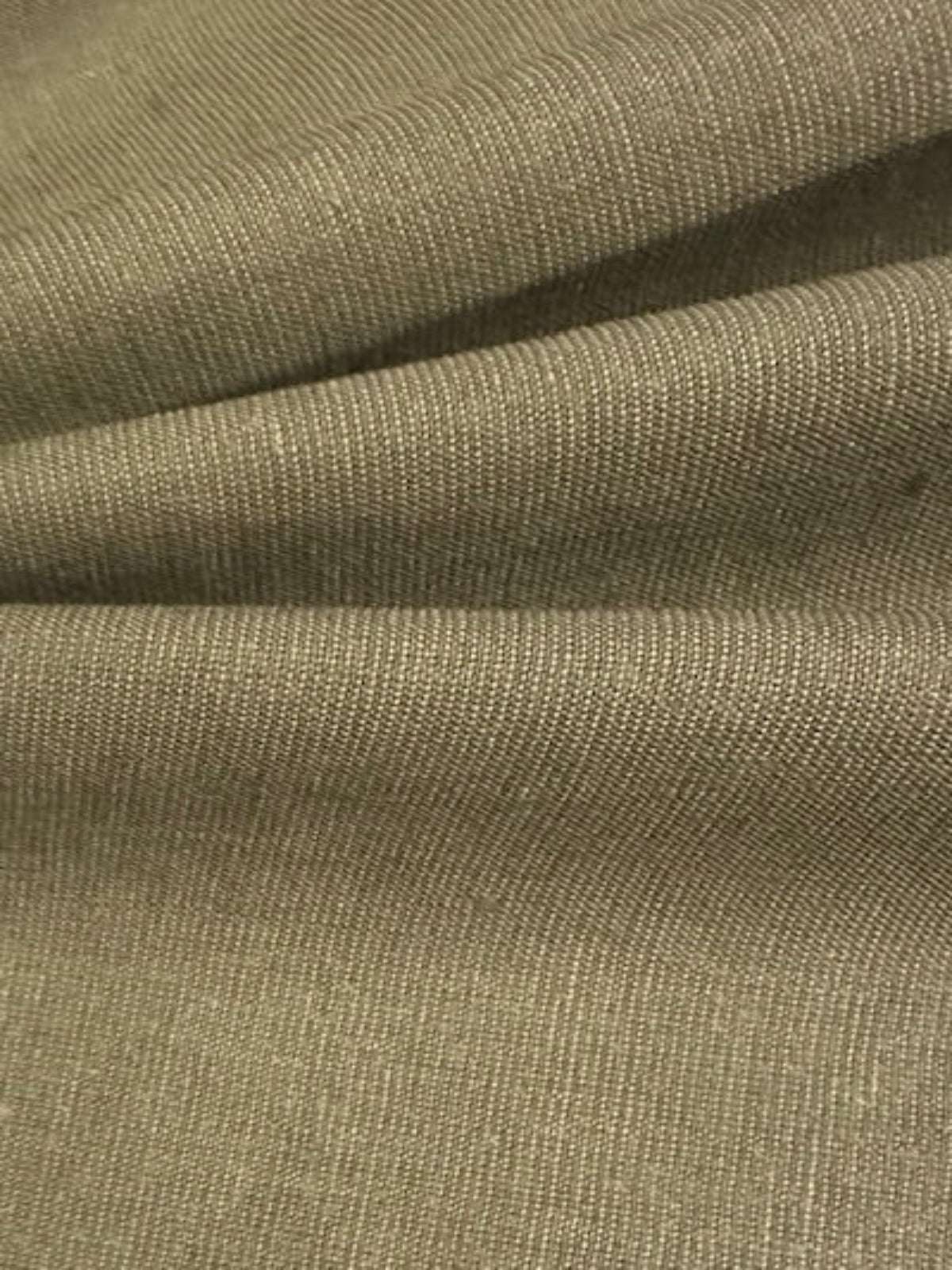
Khaki 2-Tone Linen/Cotton Mix with Stretch – Stylish & Versatile Khaki 2-Tone Linen/Cotton Mix with Stretch – Stylish & Versatile
19 In Stock
Sepia 2 Tone Linen/Cotton Mix with Stretch – Structured Natural Blend Fabric Sepia 2 Tone Linen/Cotton Mix with Stretch – Structured Natural Blend Fabric
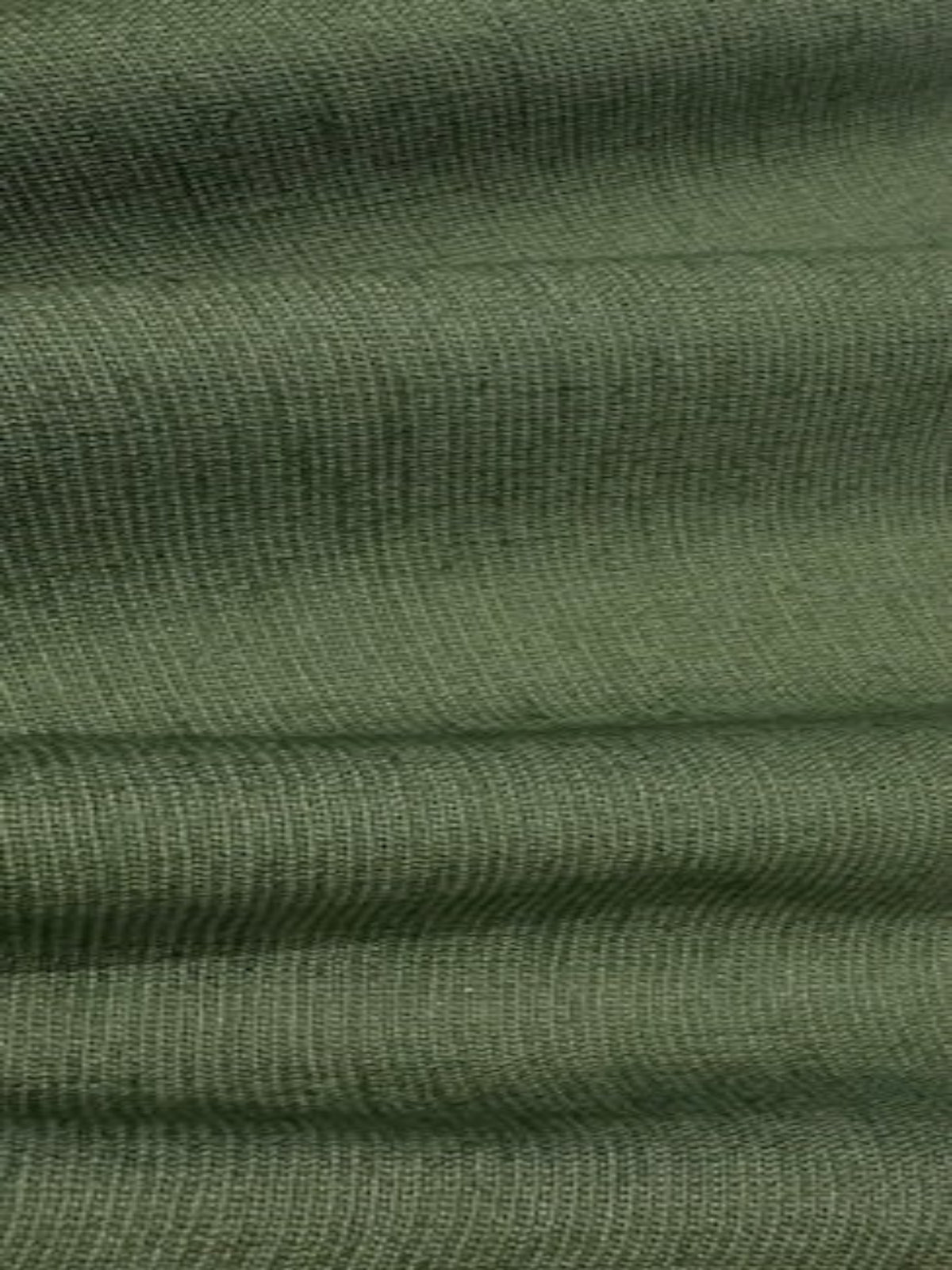
79 In Stock
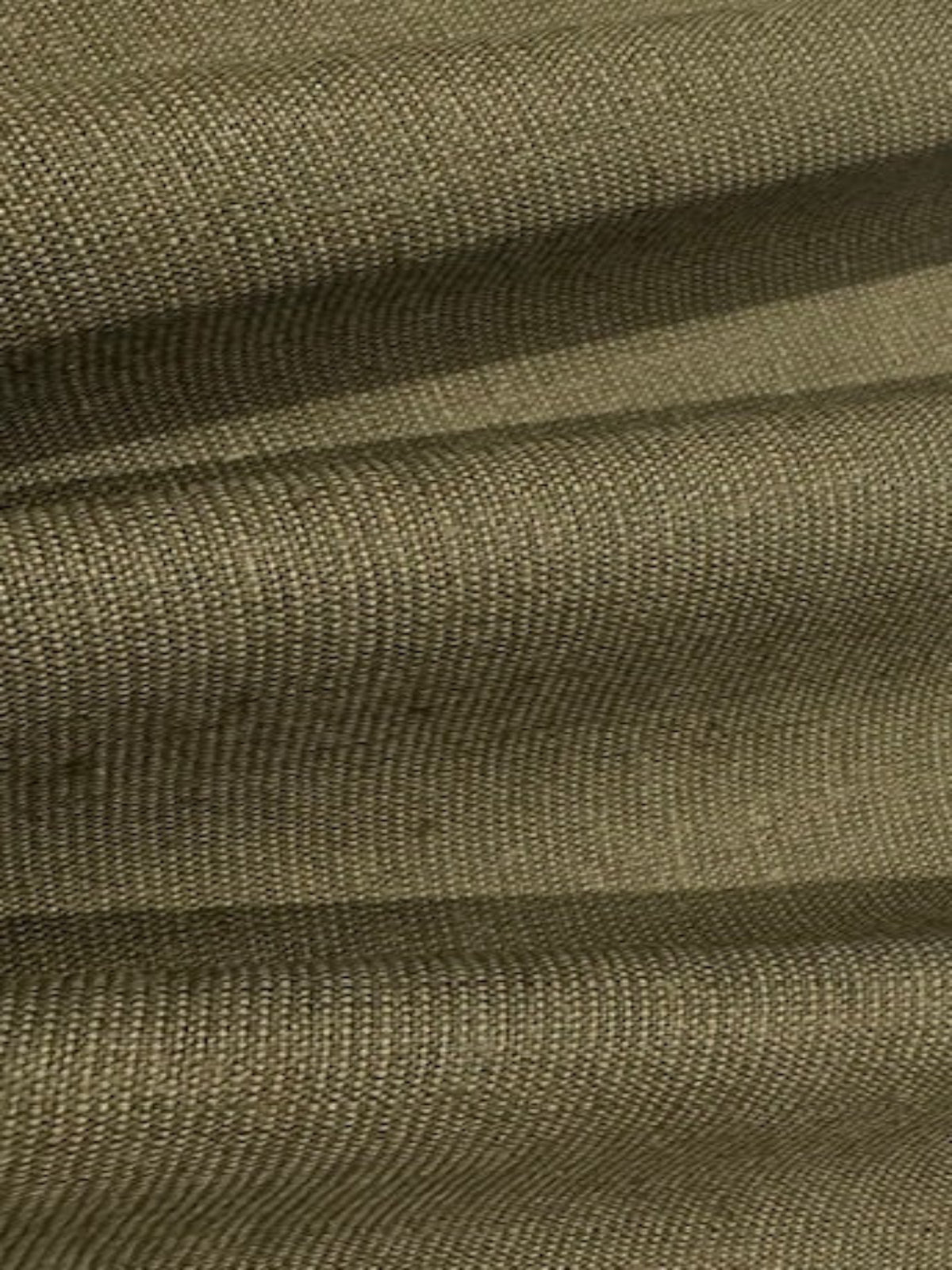
Moss Green 2 Tone Linen/Cotton Mix with One Way Stretch Moss Green 2 Tone Linen/Cotton Mix with One Way Stretch
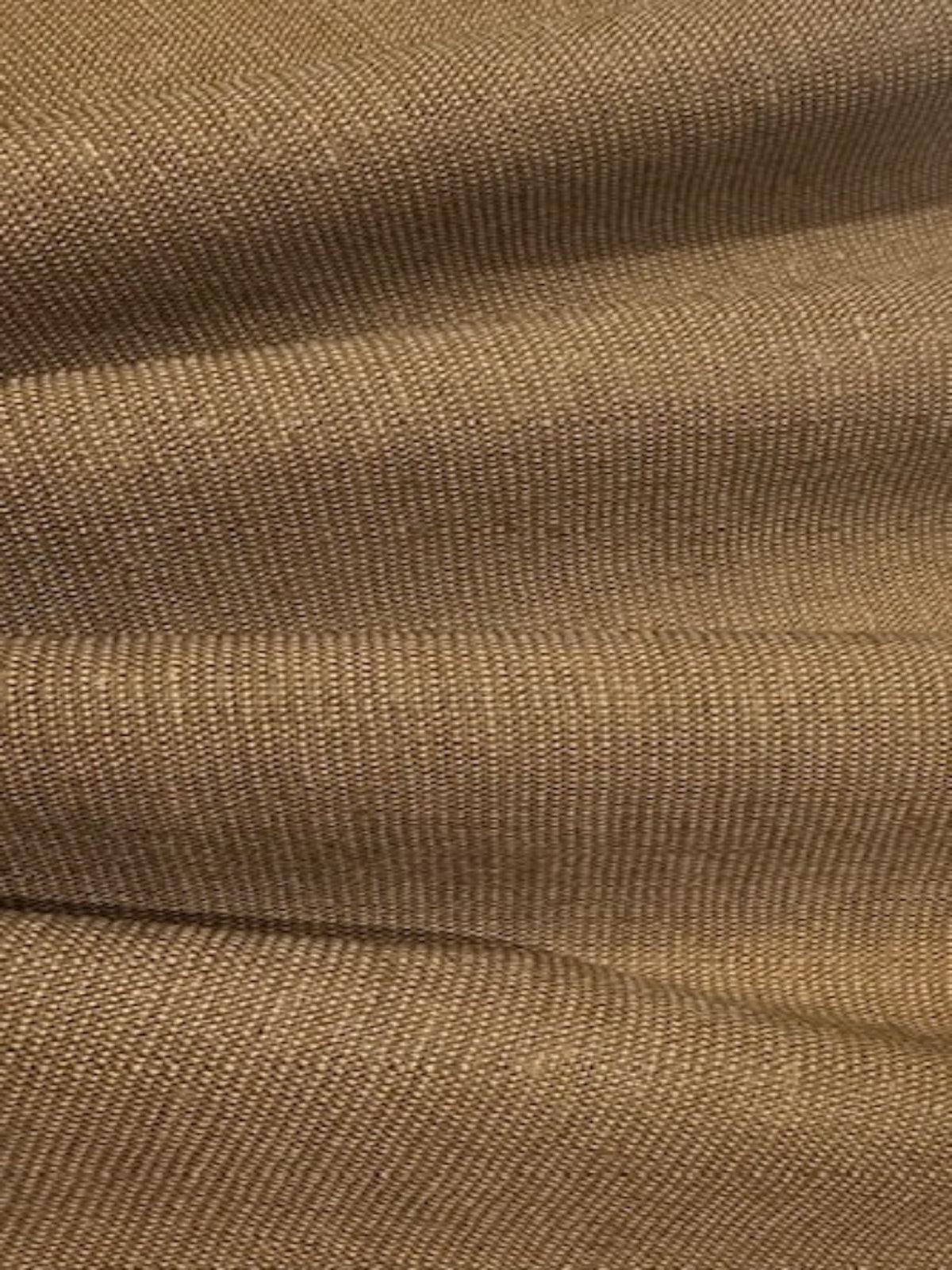
10 In Stock
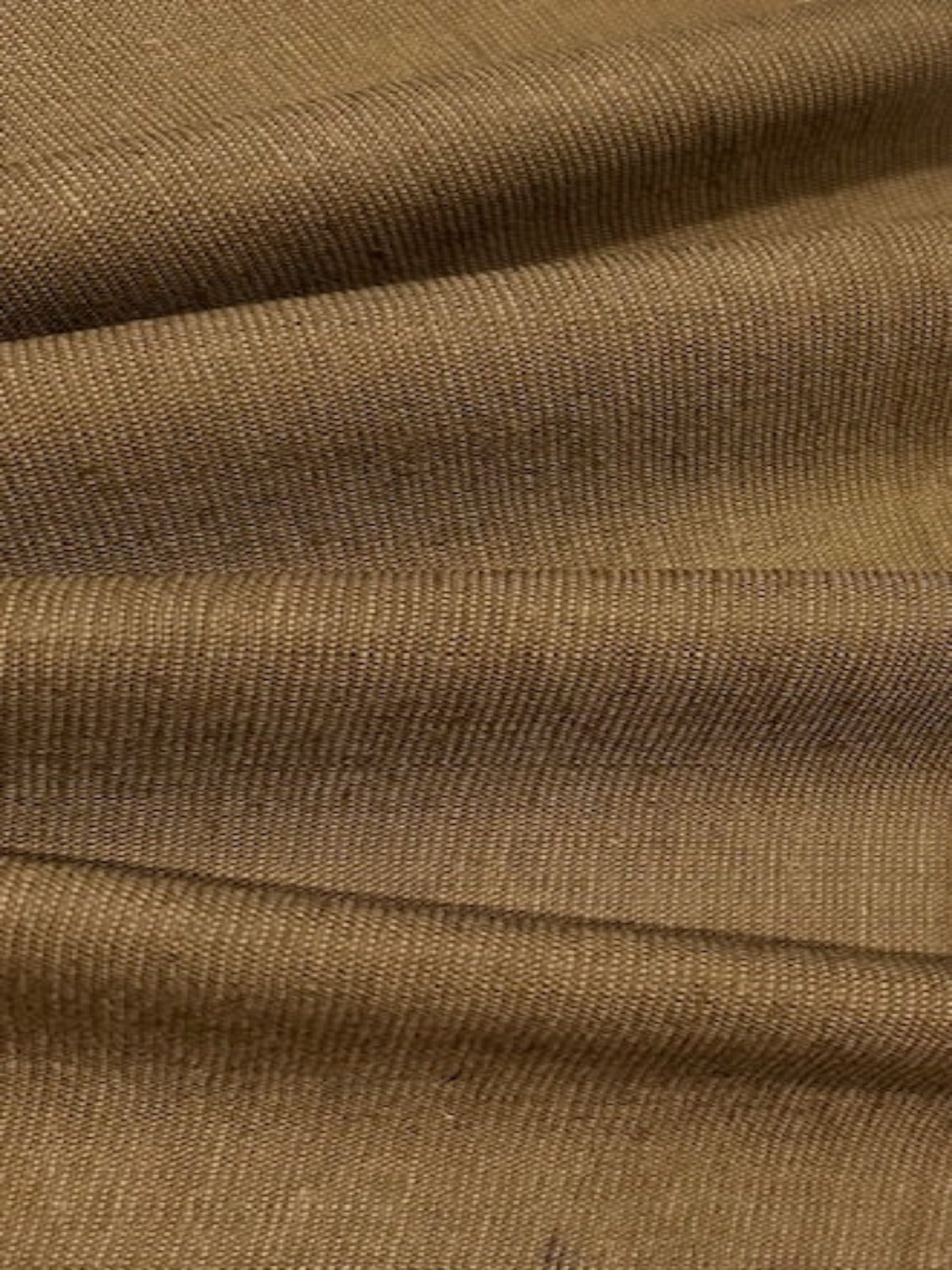
Golden Brown 2-Tone Linen/Cotton Mix with One-Way Stretch Golden Brown 2-Tone Linen/Cotton Mix with One-Way Stretch
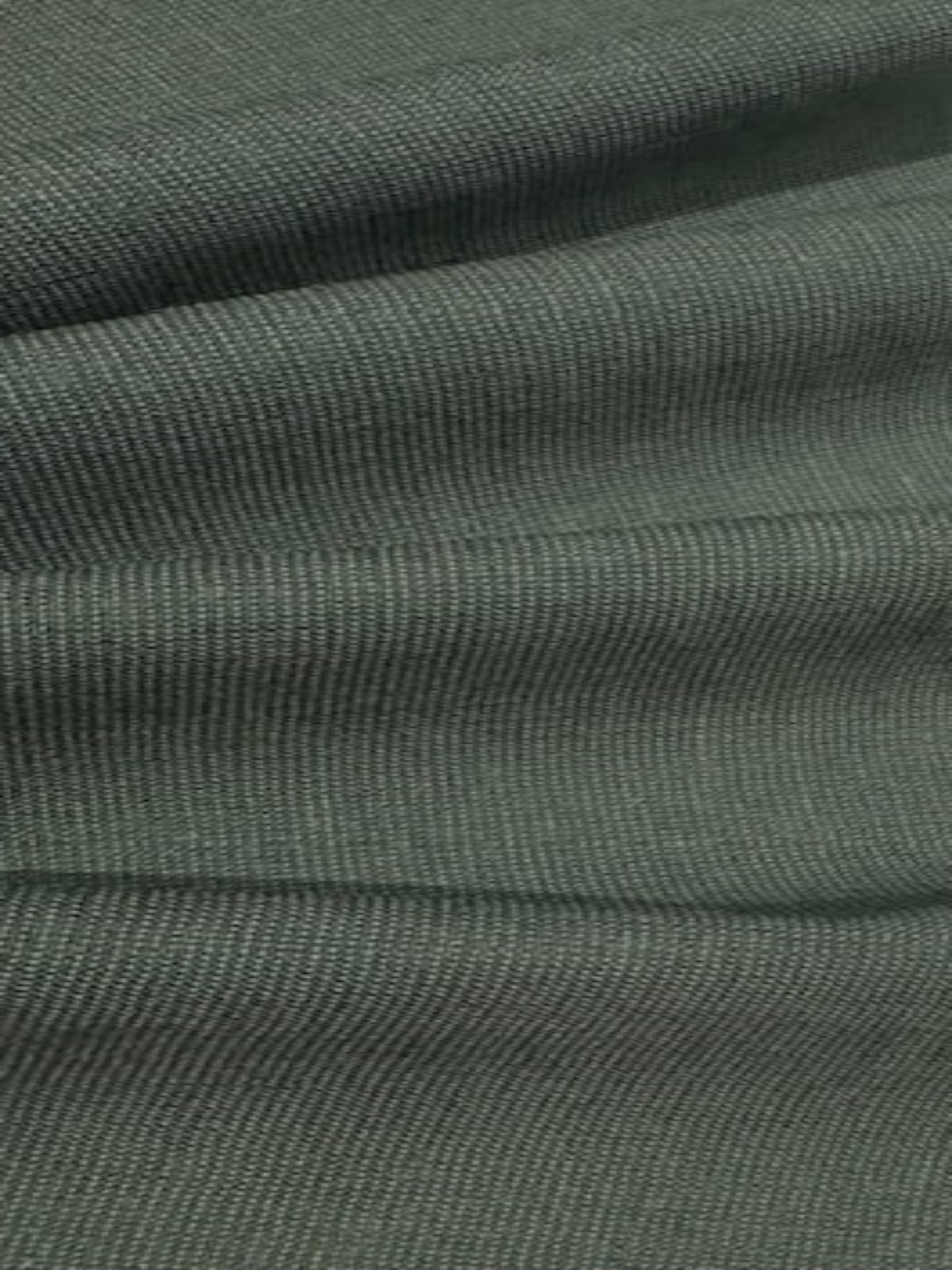
16 In Stock
Forest green 2 Tone Linen/Cotton Mix with One Way Stretch Forest green 2 Tone Linen/Cotton Mix with One Way Stretch
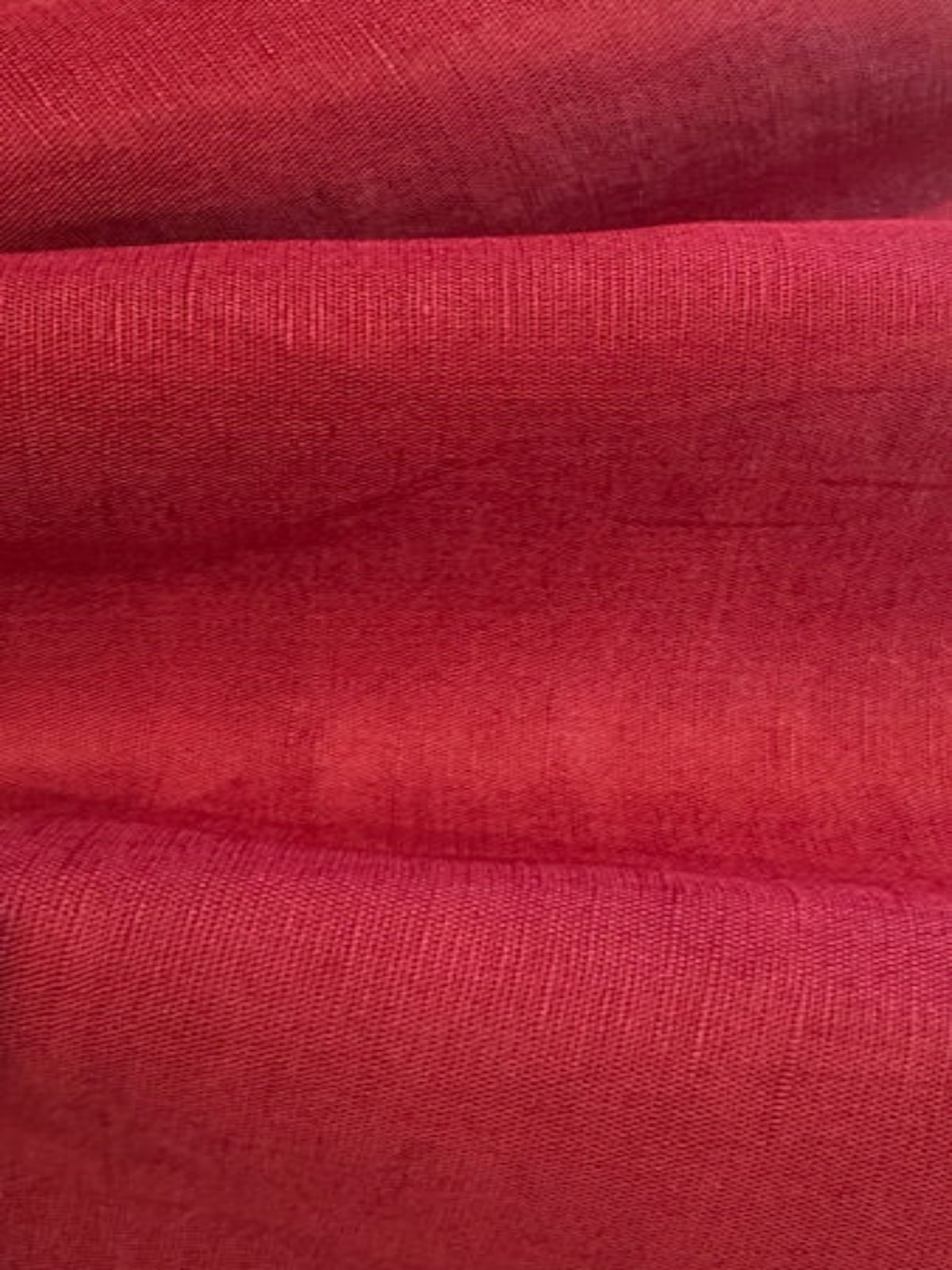
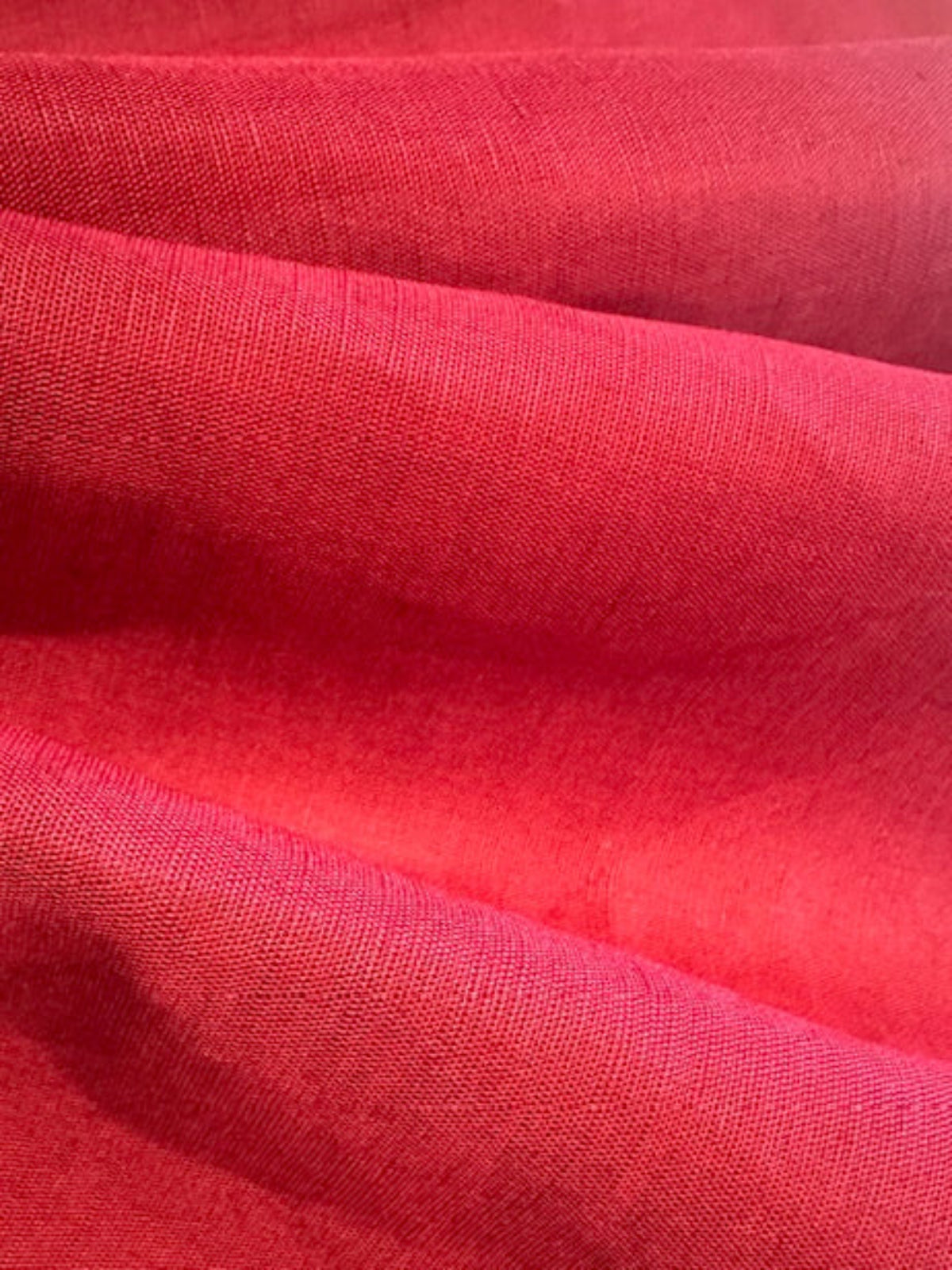
83 In Stock
Maroon Lightweight Linen/Cotton Mix Maroon Lightweight Linen/Cotton Mix
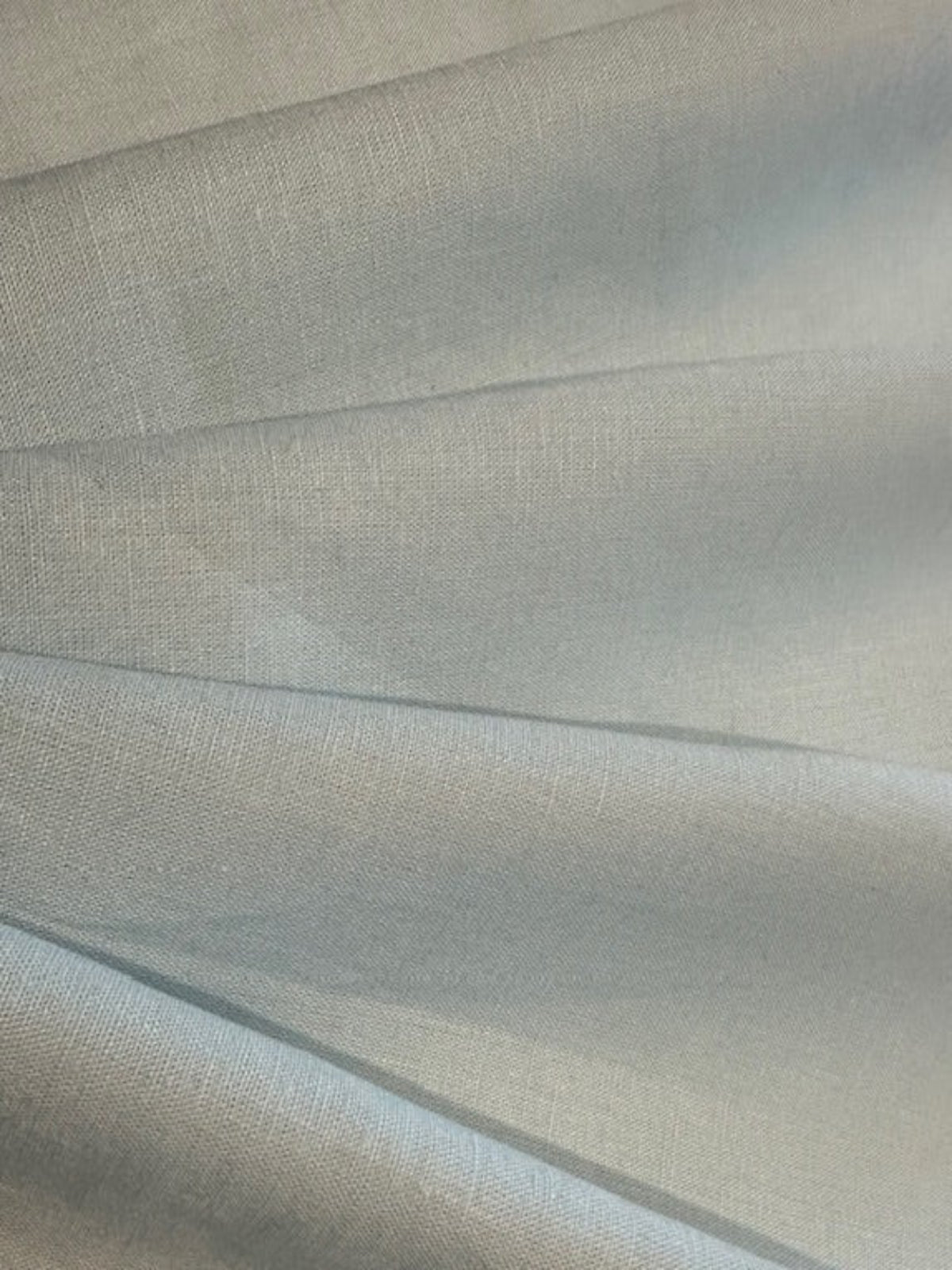
12 In Stock
Powder Blue Lightweight Linen – Natural Breathable Fabric Powder Blue Lightweight Linen – Natural Breathable Fabric
10 In Stock
Bottle Green Crisp Handle Linen Bottle Green Crisp Handle Linen
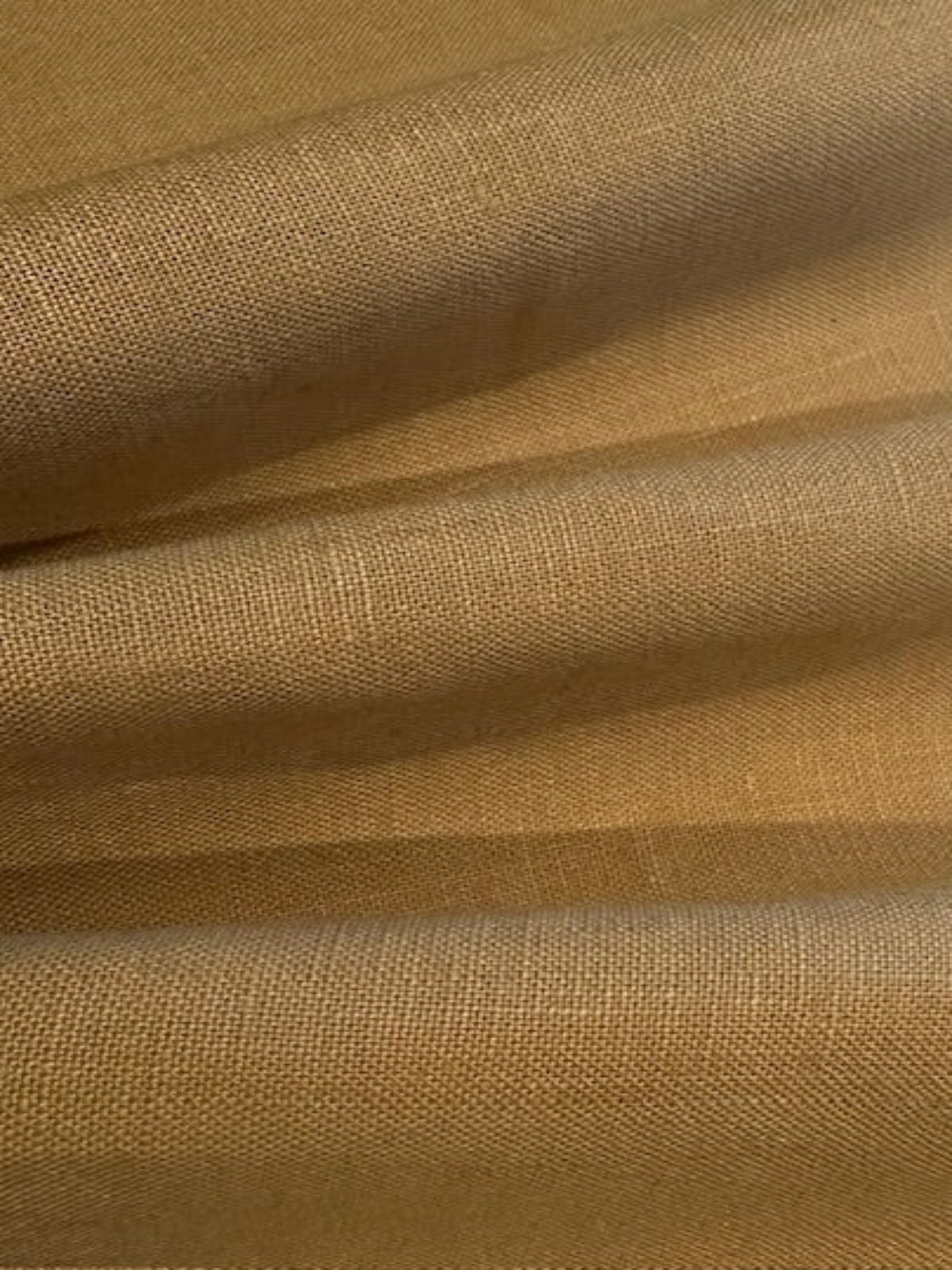
Only 4 In Stock
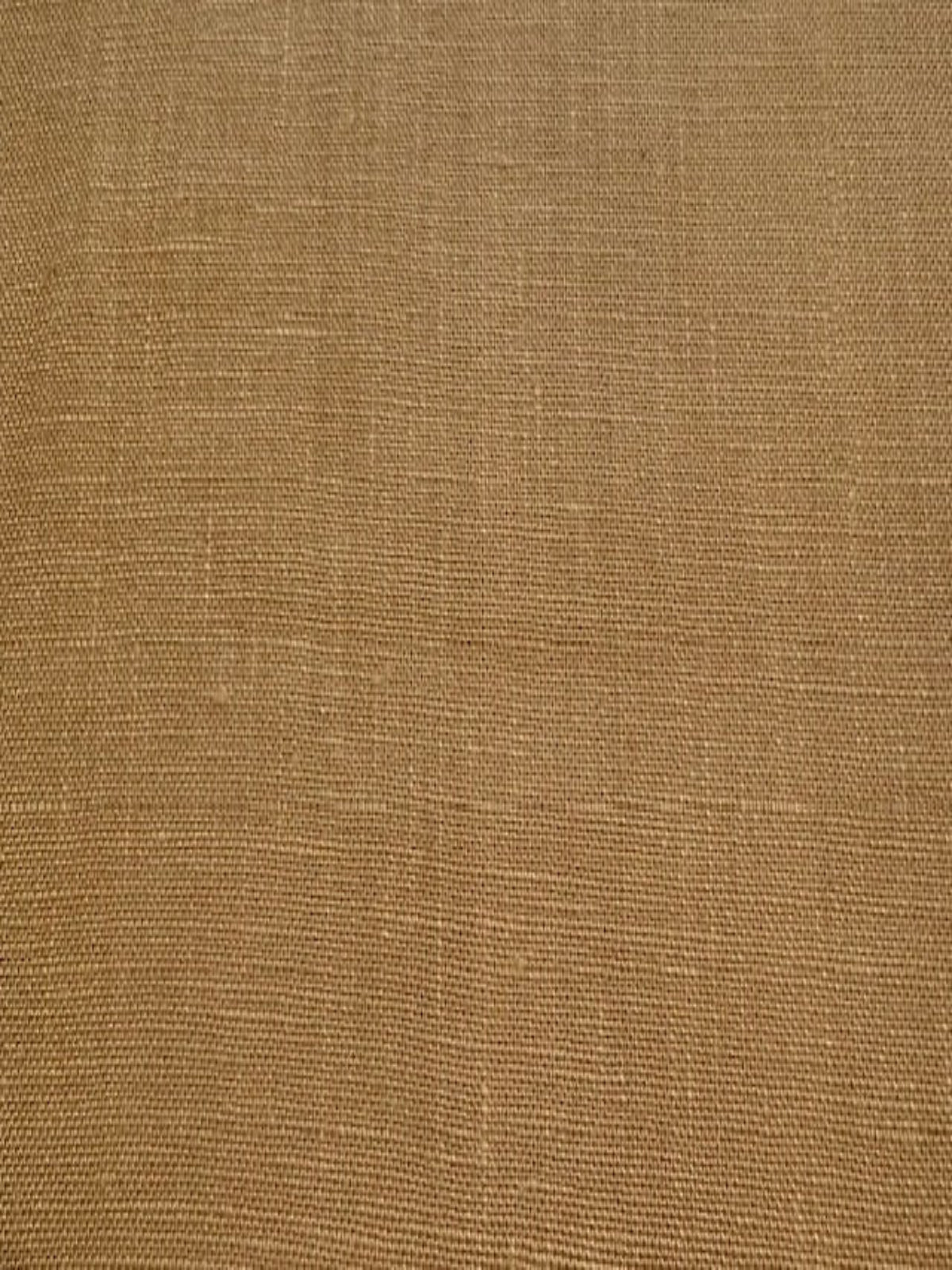
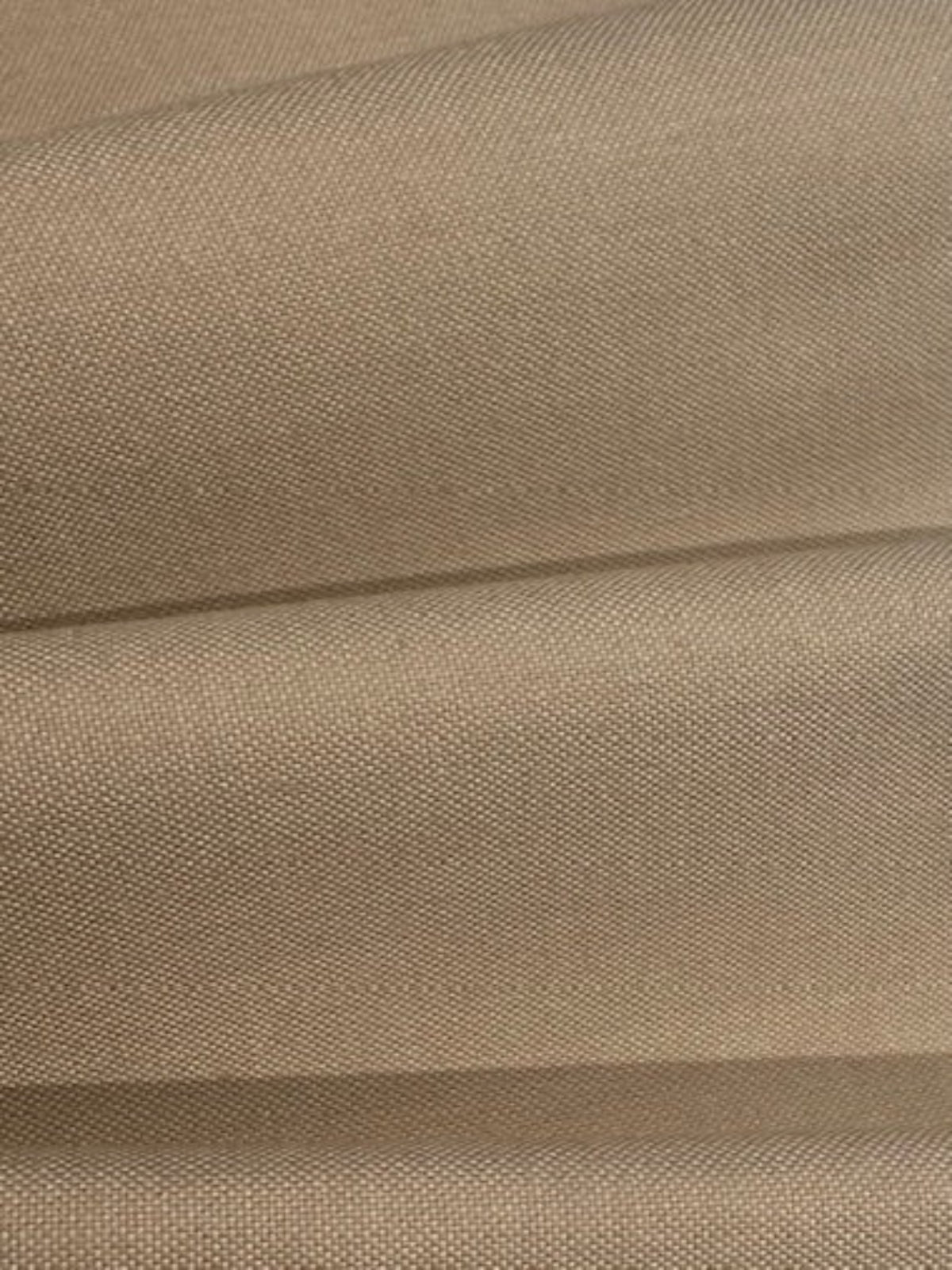
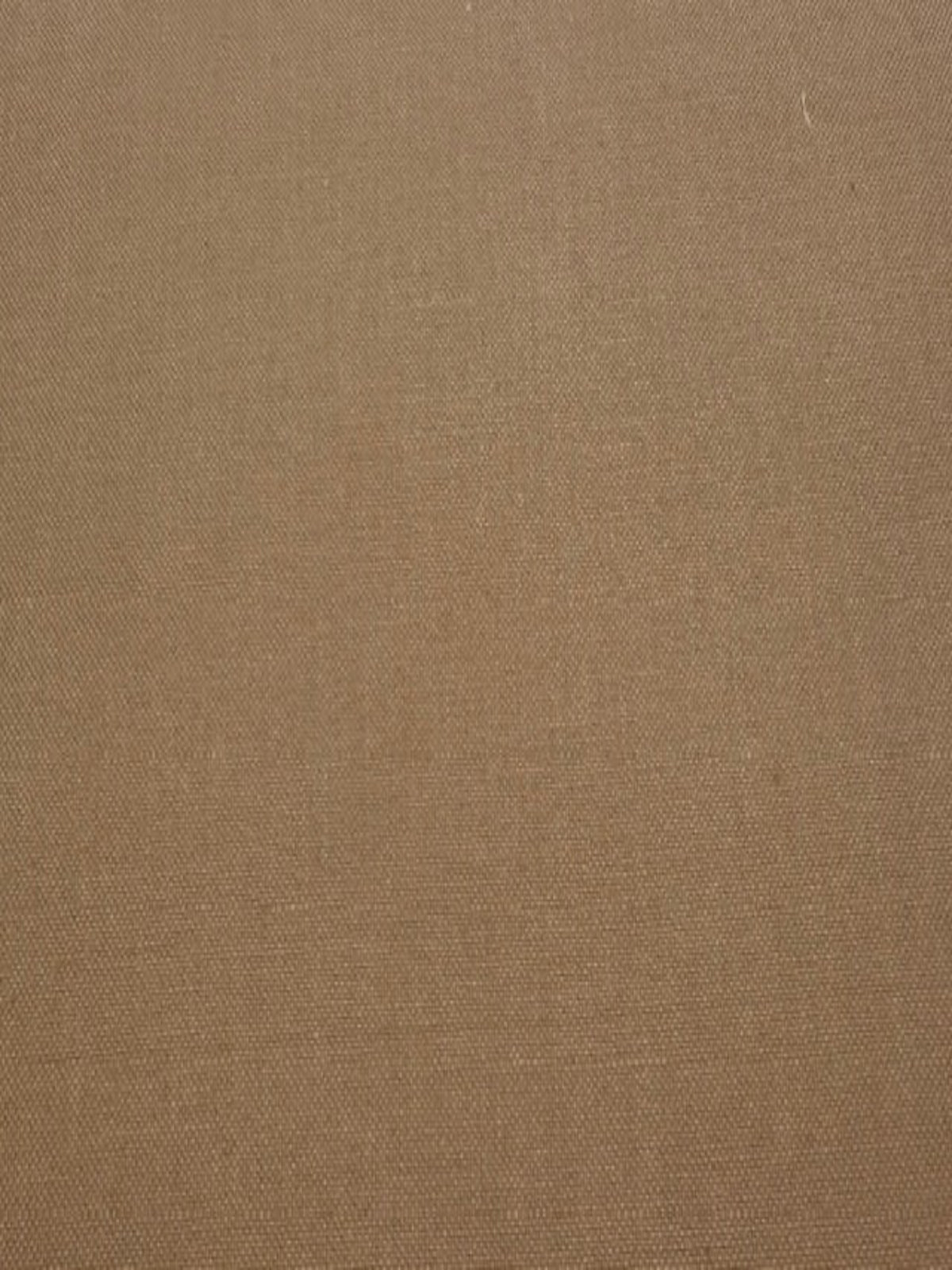
Camel Crisp Handle Linen Camel Crisp Handle Linen
65 In Stock
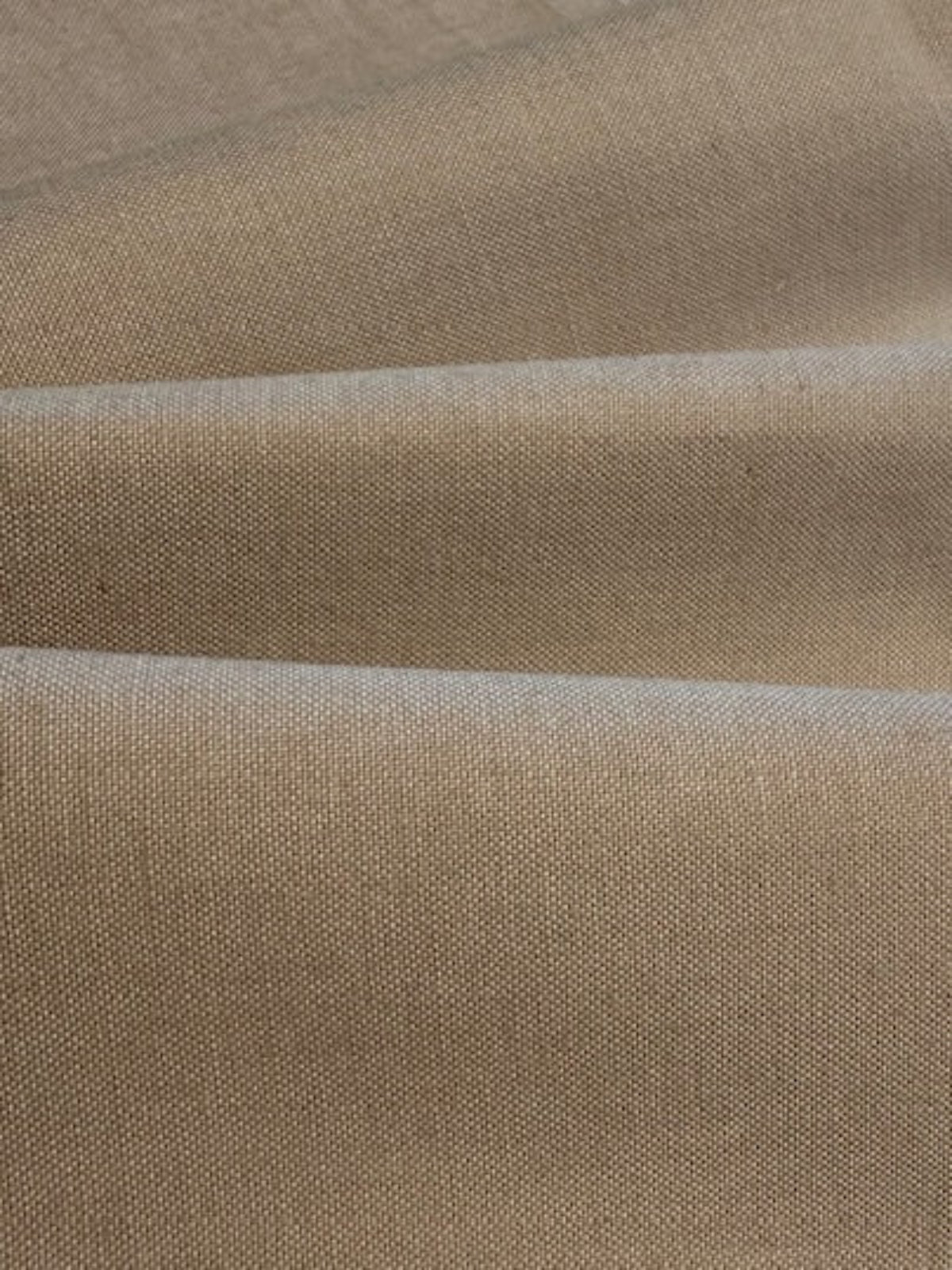
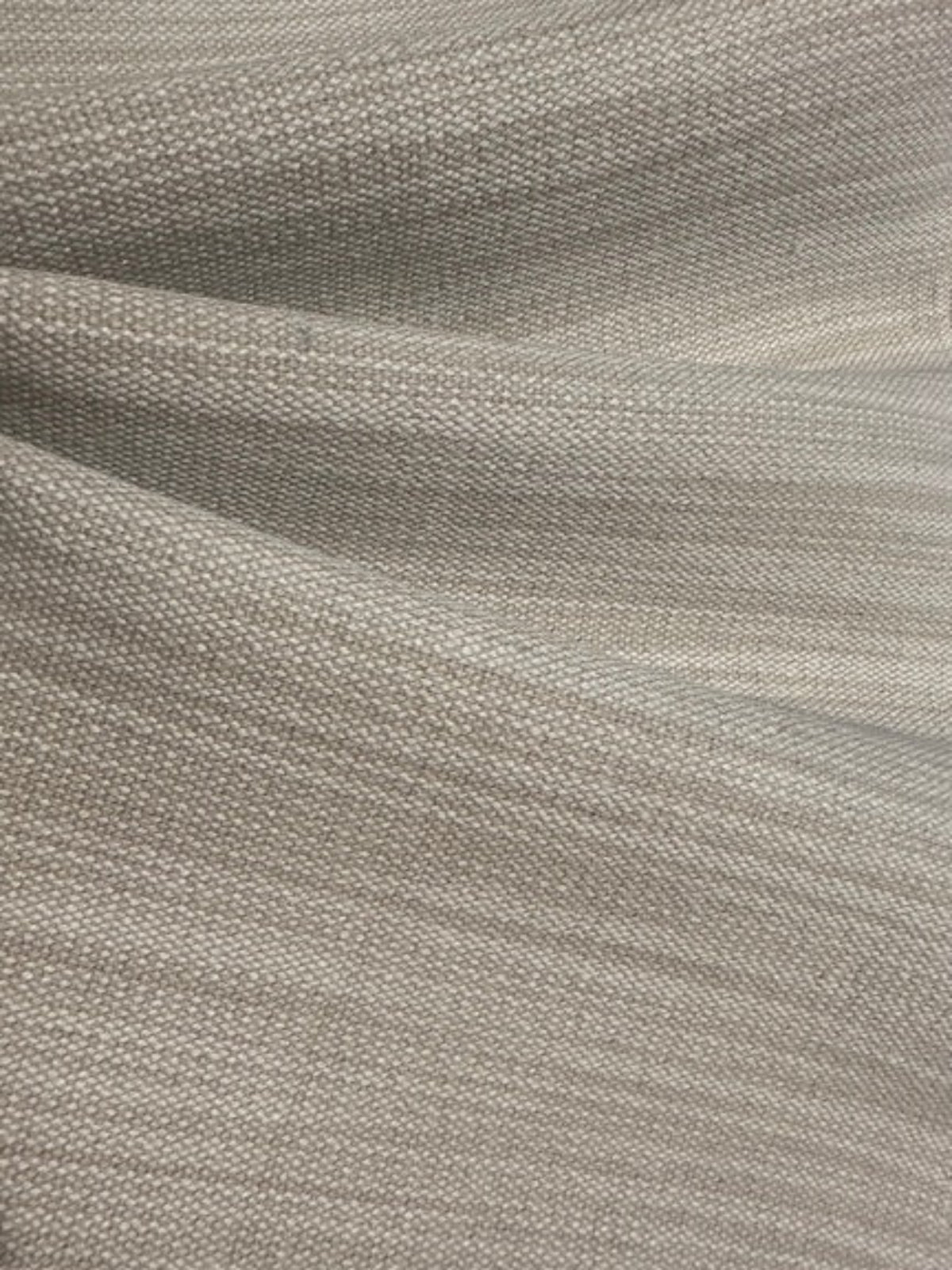
Sand Linen Soft Handle Sand Linen Soft Handle
77 In Stock
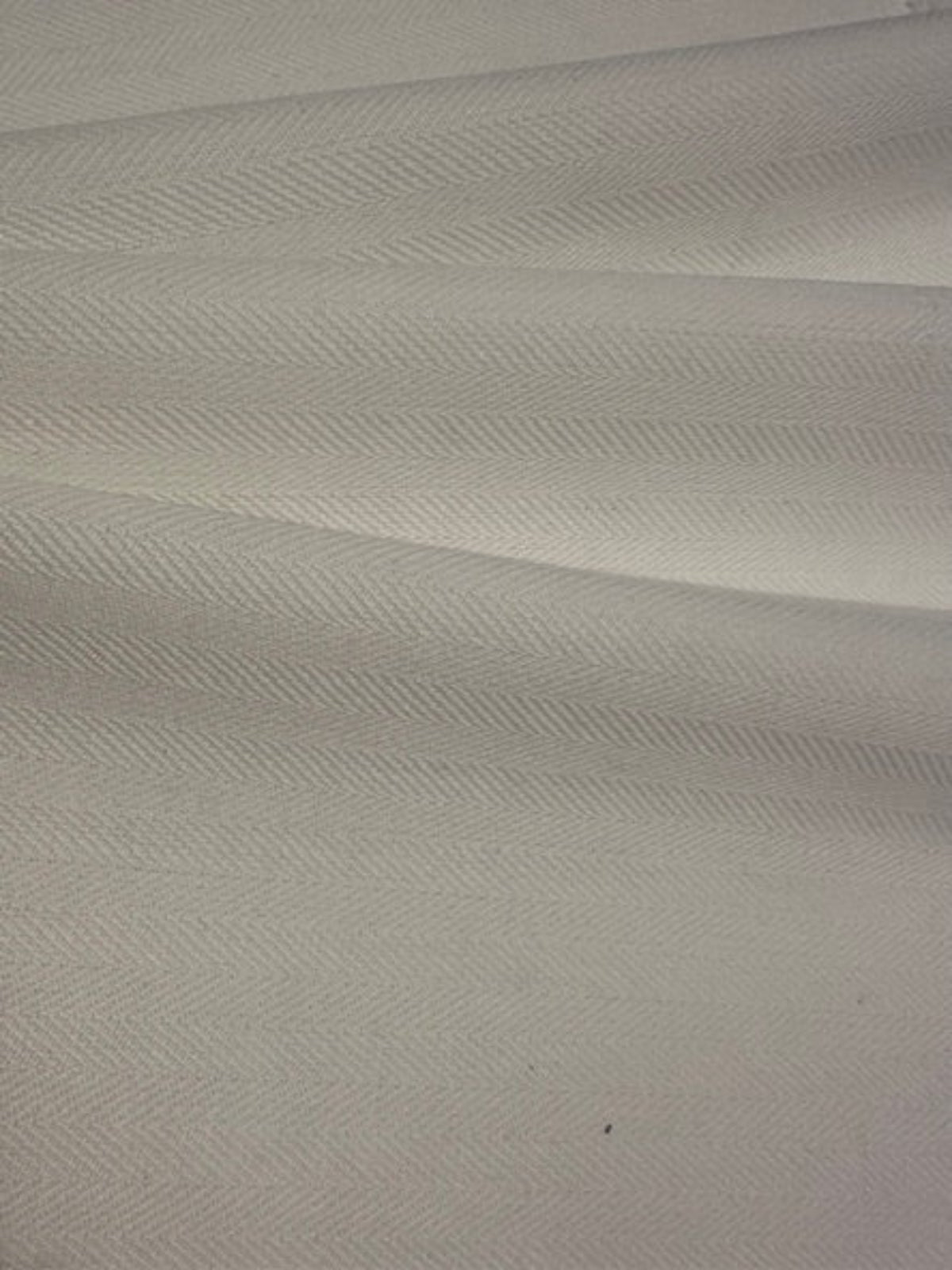
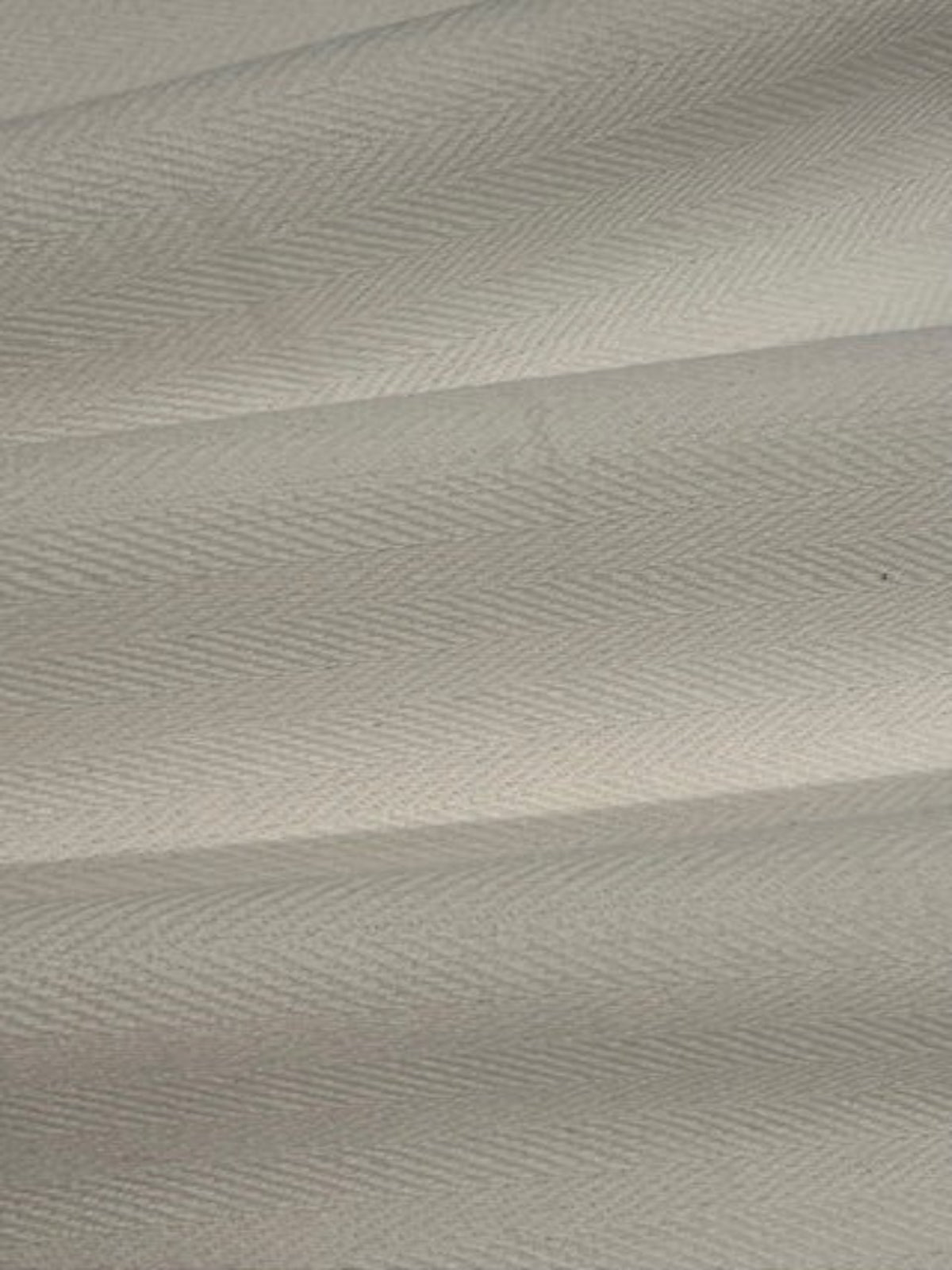
Off White Herringbone Linen/Cotton Mix Off White Herringbone Linen/Cotton Mix
130 In Stock
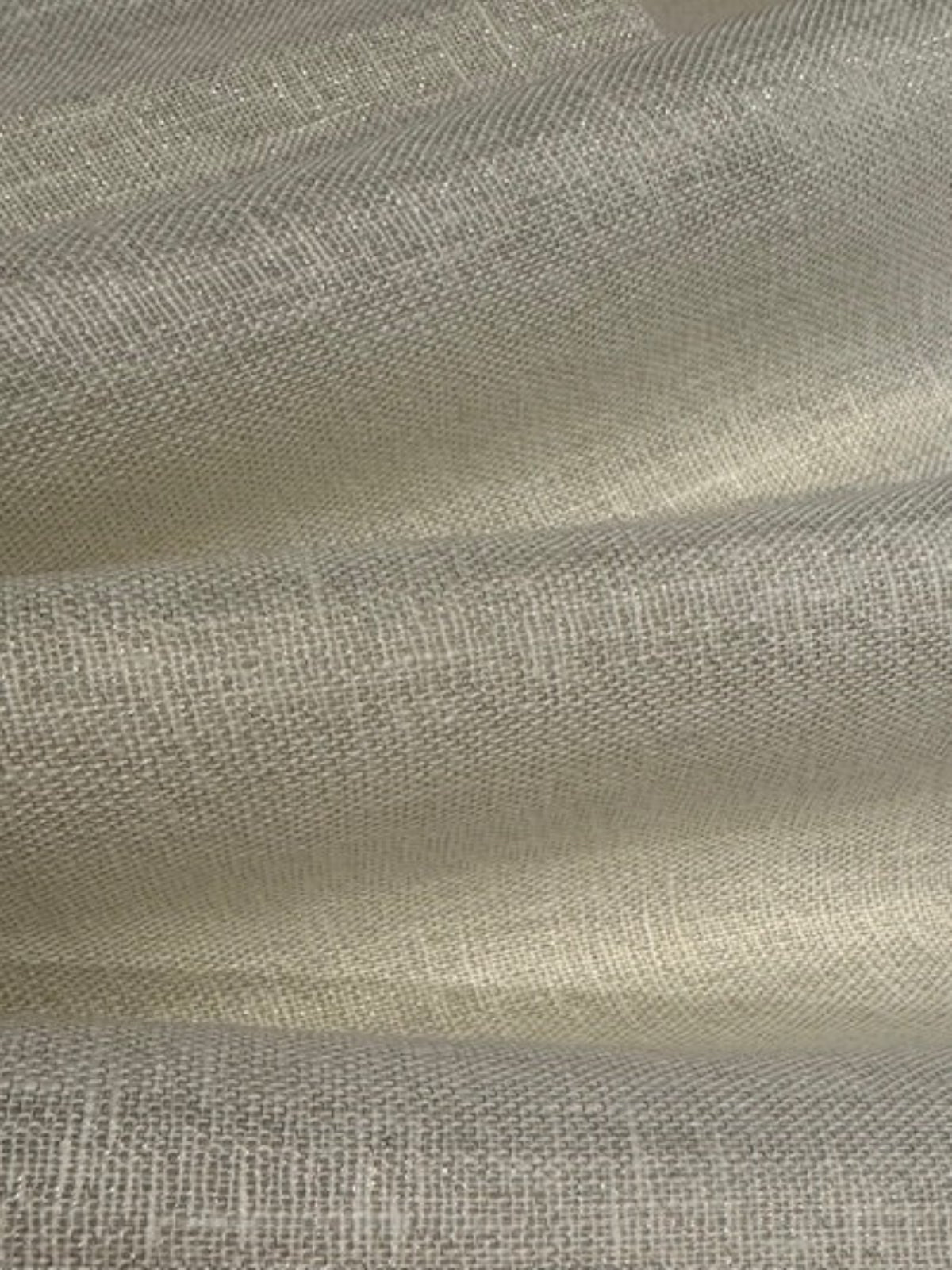
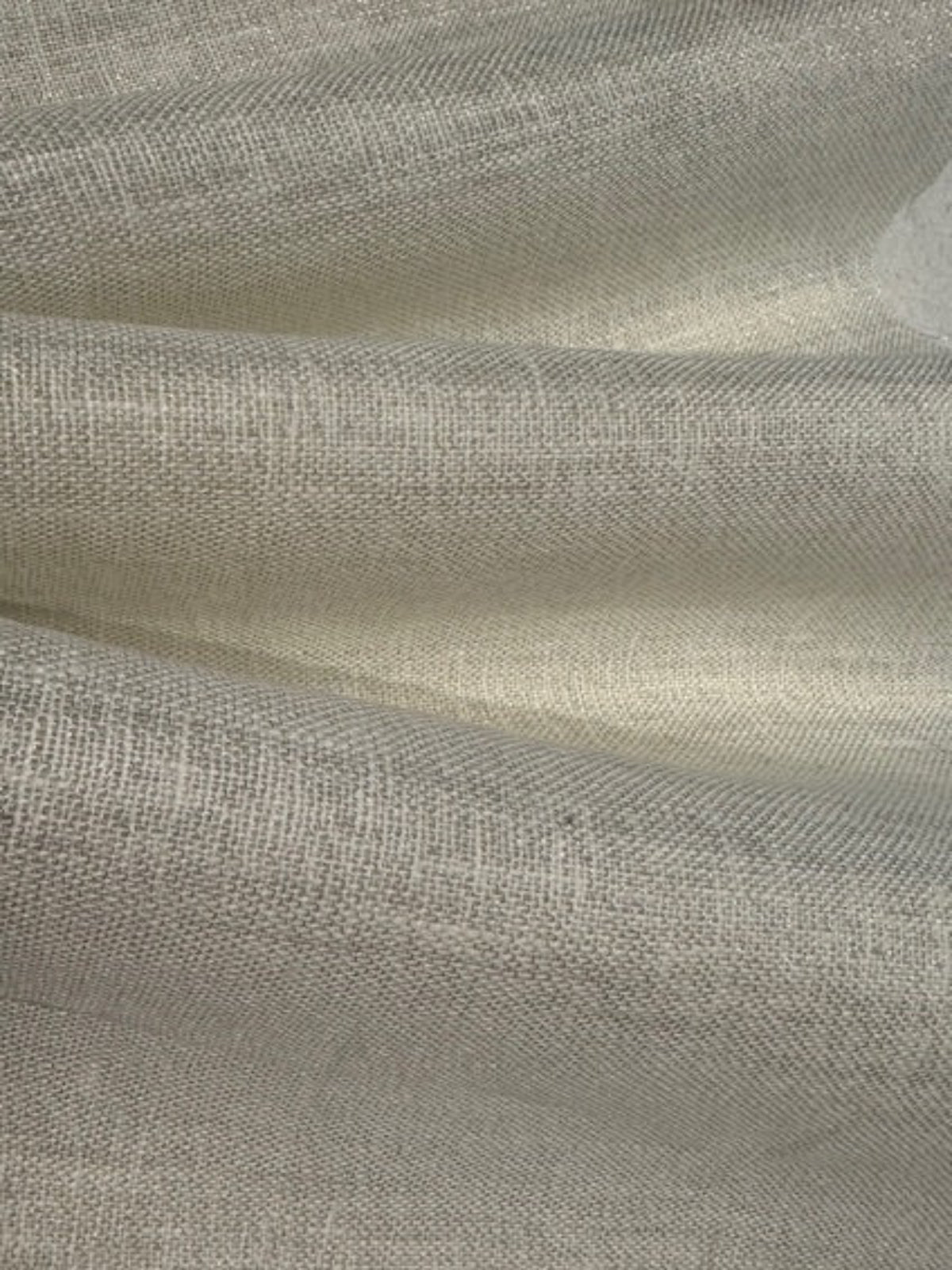
Ivory Linen Open Weave with Pale Gold Lurex Crisp Handle Ivory Linen Open Weave with Pale Gold Lurex Crisp Handle
8 In Stock
Pale Grey 2 Tone Stripe Effect Linen Mix, Firm & Crisp Handle Pale Grey 2 Tone Stripe Effect Linen Mix, Firm & Crisp Handle
86 In Stock
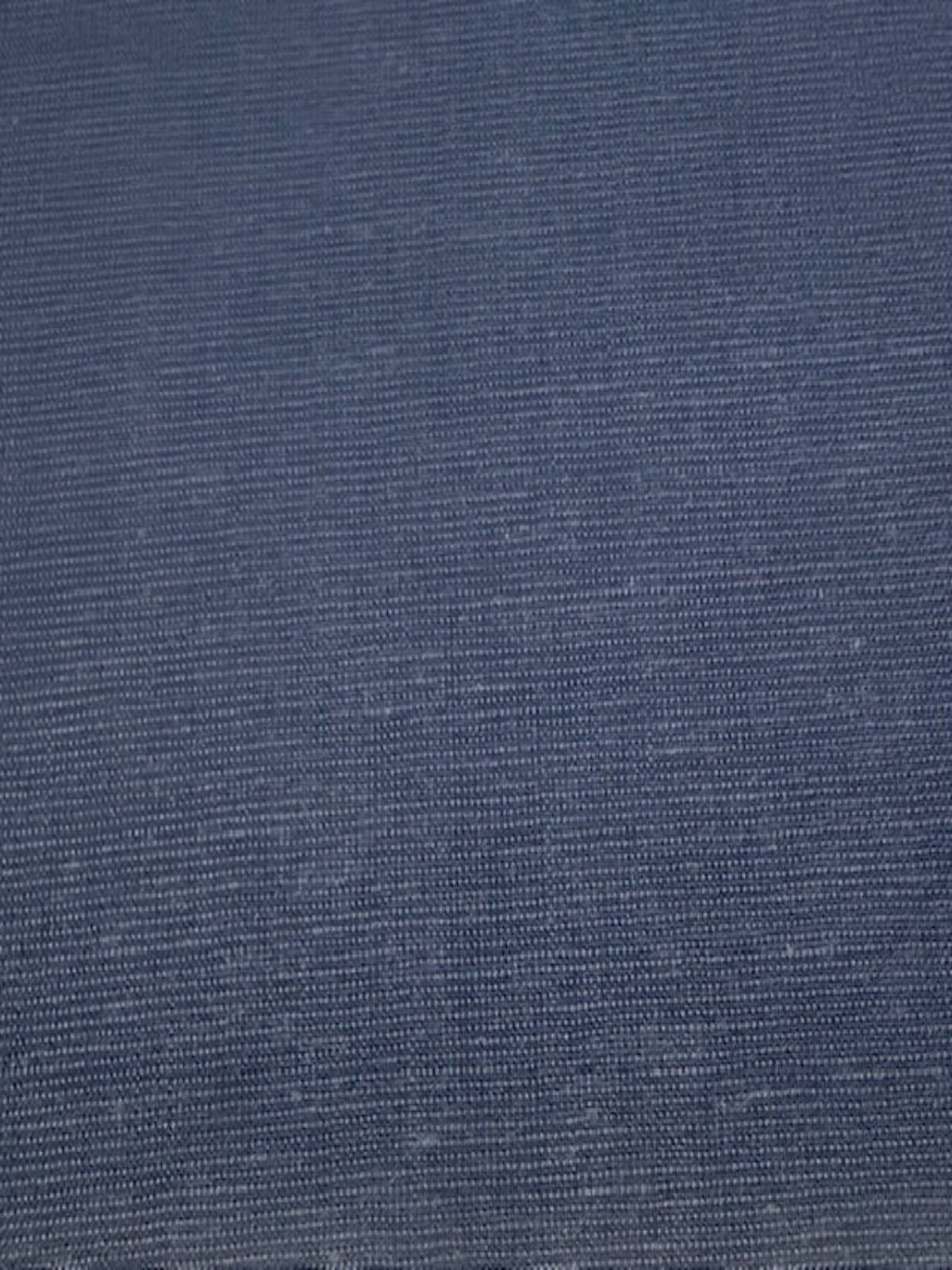
Blue/Grey Cotton/Linen Mix with One Way Stretch Blue/Grey Cotton/Linen Mix with One Way Stretch
13 In Stock
Bone Coloured Linen Bone Coloured Linen

Designed for Effortless Sewing

Few natural fibres have the staying power of linen. It breathes, softens with wear, and brings a relaxed structure to garments that actually improves over time rather than fading. That quality makes it a favourite for dressmakers who want fabric with genuine character - whether for a simple shirt dress that gets worn all summer or a more tailored pair of wide-leg trousers that holds its shape through the working day. The range at Amothreads reflects how broadly linen gets used, with options that move comfortably between lightweight and substantial without sacrificing handle or finish.

Linen blends extend the range further. A linen/cotton mix tends to be softer and easier to press than pure linen, with slightly less tendency to crease heavily in wear. Linen/rayon offers more drape and fluidity, making it well suited to relaxed dresses, skirts, and tops where movement matters. Linen/viscose blends with stripe or jacquard detailing add another dimension, bringing surface interest to garments that might otherwise rely on a simple silhouette. Knowing which blend suits your project makes a real difference to the finished result.

Prints and woven patterns within the linen range give makers more to work with. Ditsy florals on linen/rayon, colour-woven stripes, allover daisies on soft-handle blends, and tone-on-tone jacquard stripes all offer something beyond the plain palette without straying into anything trend-driven or difficult to wear. For dressmakers who want fabric that brings its own personality to a straightforward pattern, these options are worth exploring alongside the plains.

The colour range across plains is extensive - from classic neutrals like ivory, beige, and black through to chestnut, teal, coral, bottle green, and red. That breadth means linen can anchor a wardrobe of practical basics or serve as the starting point for something more expressive. With competitive pricing across the range, it is a practical first choice whether you are sewing one-off pieces or working through a seasonal run.

Helpful Linen Buying Questions

The range covers pure firm linen, linen/cotton blends, linen/rayon, linen/viscose, and linen mix fabrics across a wide spread of weights and finishes. Plains, woven stripes, jacquard stripes, allover prints, and lurex detail options all feature, giving makers genuine variety within a single fabric category. Weights span from under 100 g/m² through to over 300 g/m², so there are options suited to everything from fine summer blouses through to structured outerwear.

If you sew regularly, start with the end use. Think first about the garment, then the weight, drape and finish that will make it work. A relaxed summer dress needs something different from tailored trousers or a more structured jacket. That approach saves money, reduces disappointment and makes it easier to buy confidently, especially when you are choosing from a broad range.

It also helps to think about how you like to sew. If you are a hobbyist, you may want something forgiving and versatile that will work across several patterns. If you sew professionally, consistency, feel and visual impact may matter just as much as price. The best discount linen is the fabric that matches your making style, suits the project properly and still gives you solid value.

Linen is a good choice for beginners, particularly at mid-weight. It does not slip or distort as much as many synthetic fabrics or fine weaves, it handles pins and scissors cleanly, and it presses well - which makes pattern matching and construction more straightforward. The slight stiffness of many linen weights also makes it easier to sew accurate seams than slippery or stretchy alternatives.

The main adjustment for beginners is needle selection - a universal needle in an appropriate size for the fabric weight is usually sufficient, but a fresh needle makes a noticeable difference with linen as it can be prone to pulled threads if the needle is dull. Pre-washing is also important before cutting. Beyond those two points, most makers find linen intuitive and satisfying to work with from the start.

Most linen garments wash well at 30-40°C on a gentle or normal cycle, depending on the weight and blend. Turn darker colours inside out before washing to reduce fading. Air drying is preferable to tumble drying at high heat, which can cause unnecessary shrinkage and weaken the fibres over time. A low tumble setting is usually fine if you need to dry quickly.
Press linen while it is still slightly damp for the best result - a steam iron on a medium-high setting will smooth the fabric efficiently. For more delicate blends containing rayon or viscose, use a cooler iron and a pressing cloth to avoid scorching. With reasonable care, linen garments tend to improve over time, becoming softer and more comfortable with each wash without losing their shape or drape.

Linen works well for children's wear, particularly lighter-weight and linen/cotton blend options. It is durable enough to cope with regular washing, breathable enough to be comfortable in warmer weather, and has a natural, unfussy quality that suits simple children's patterns well. Blouses, pinafores, short-sleeve shirts, summer dresses, and lightweight trousers are all straightforward to make in a suitable linen or linen blend.

Firmer linen weights can be used for more structured children's pieces such as dungarees, smock-style tops, or lined jackets, where the fabric needs to hold a shape. It is worth pre-washing children's garment fabric particularly thoroughly before cutting, as fit tends to be more critical for small sizes. Linen is also a practical choice for children's wear because it tends to stand up to washing and daily use better than many finer natural fibres.