Filters

Filters

£
to
£
15 products
Sort by
Sort by
9 In Stock
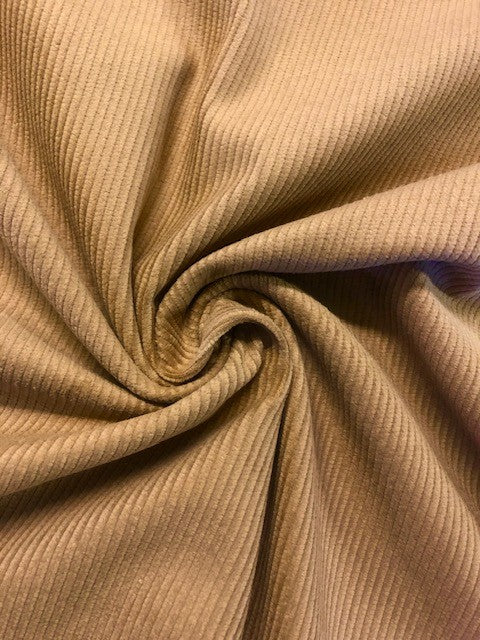
Camel Coloured Needlecord Camel Coloured Needlecord
38 In Stock
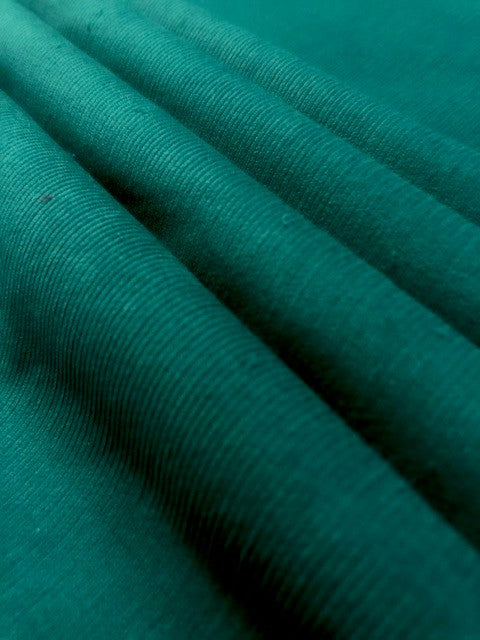
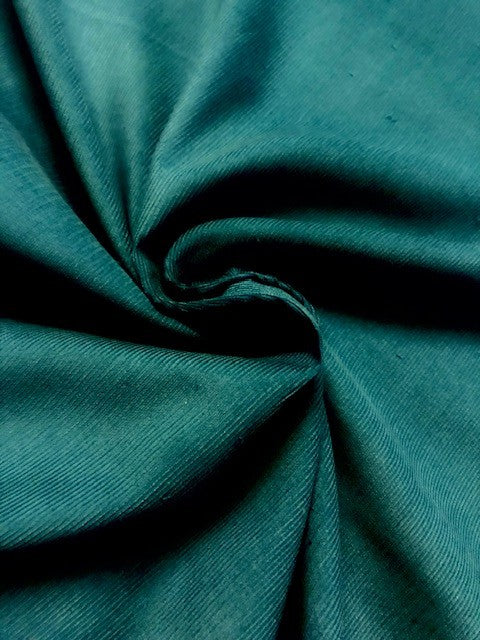
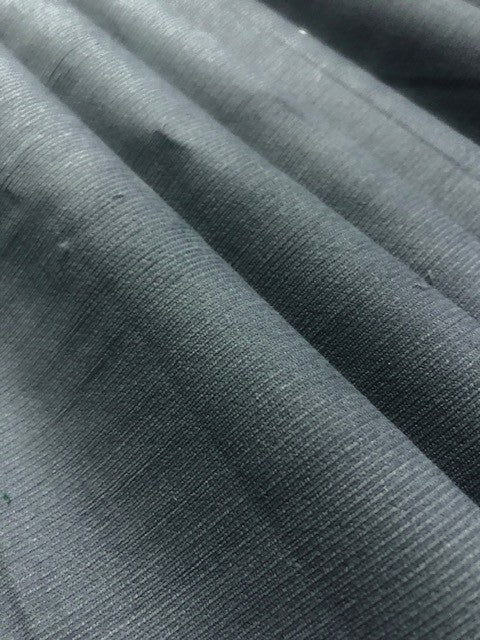
Teal 21-Wale Pincord Cotton Corduroy – 148 cm Wide Teal 21-Wale Pincord Cotton Corduroy – 148 cm Wide
12 In Stock
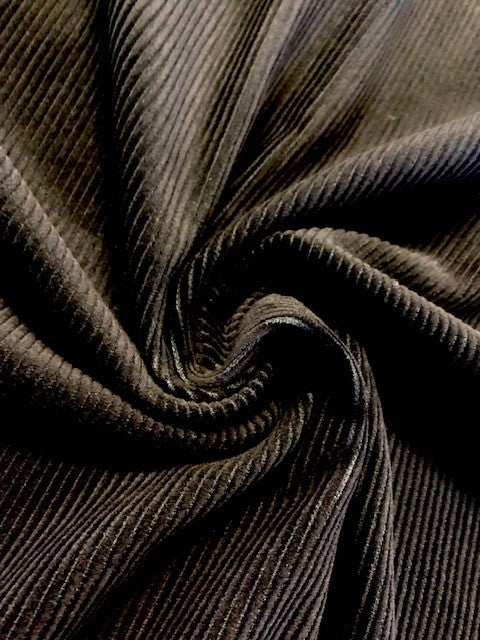
Black 100% Cotton Corduroy – Classic, Durable & Perfect for Stylish Garments Black 100% Cotton Corduroy – Classic, Durable & Perfect for Stylish Garments
44 In Stock
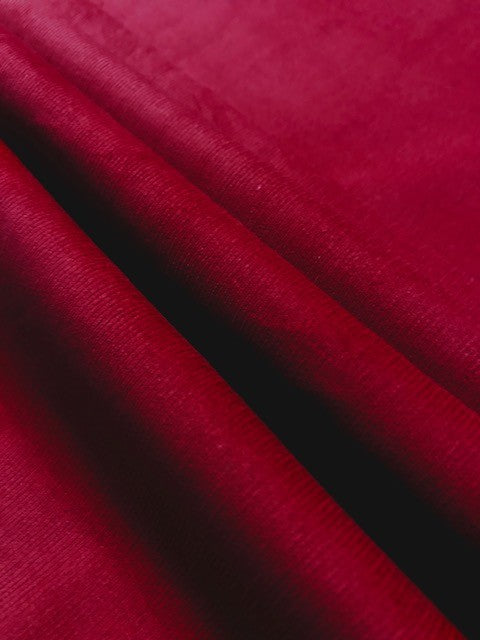
Maroon 21-Wale Pincord Cotton Corduroy – 148 cm Wide Maroon 21-Wale Pincord Cotton Corduroy – 148 cm Wide
44 In Stock
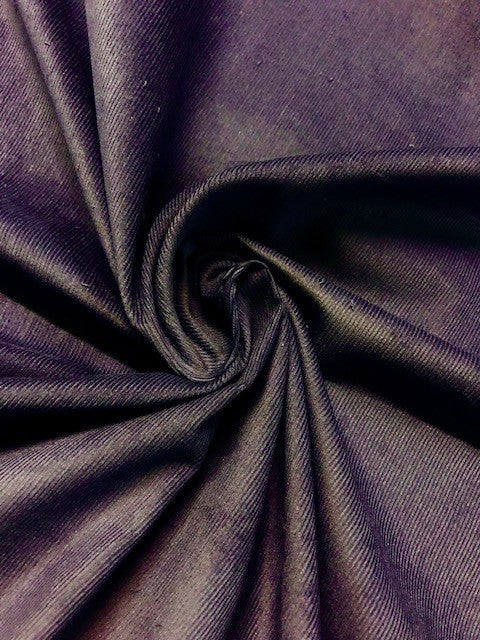
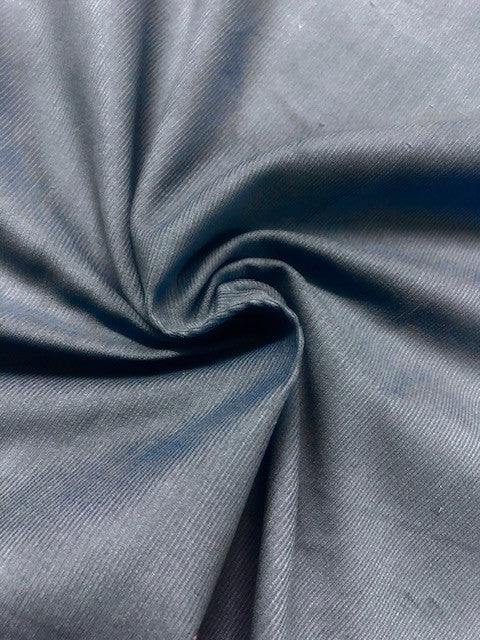
Navy 21-Wale Pincord Cotton Corduroy – 148 cm Wide Navy 21-Wale Pincord Cotton Corduroy – 148 cm Wide
48 In Stock
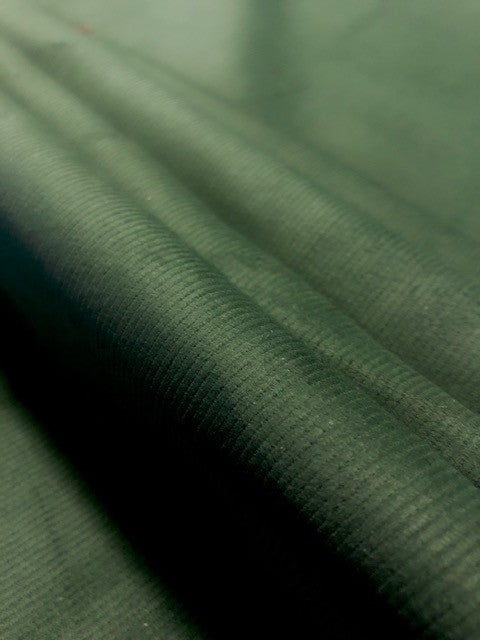
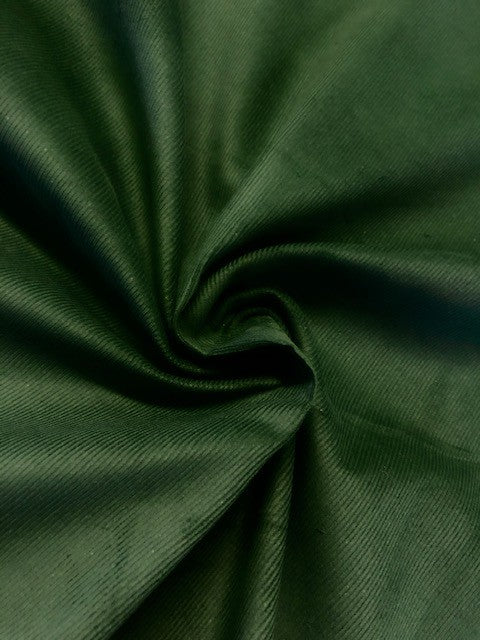
Bottle Green 16-Wale Pincord Cotton Corduroy – 148 cm Wide Bottle Green 16-Wale Pincord Cotton Corduroy – 148 cm Wide
47 In Stock
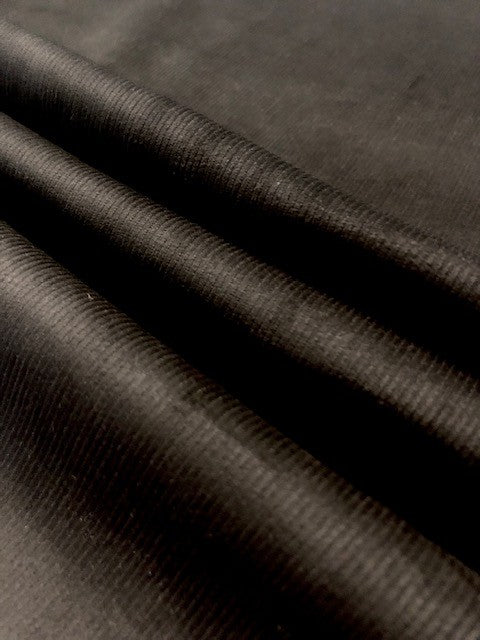
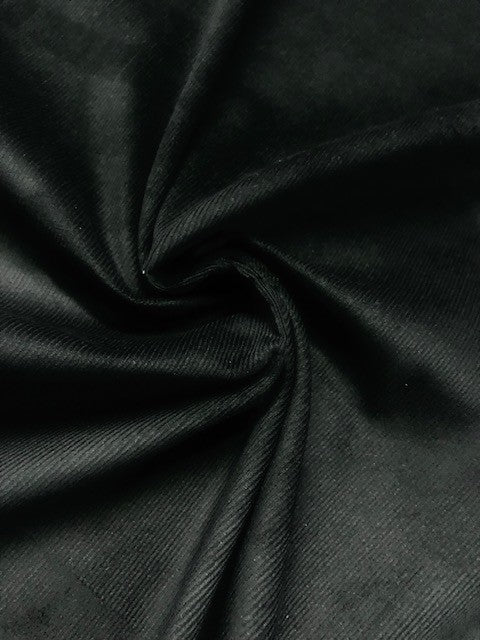
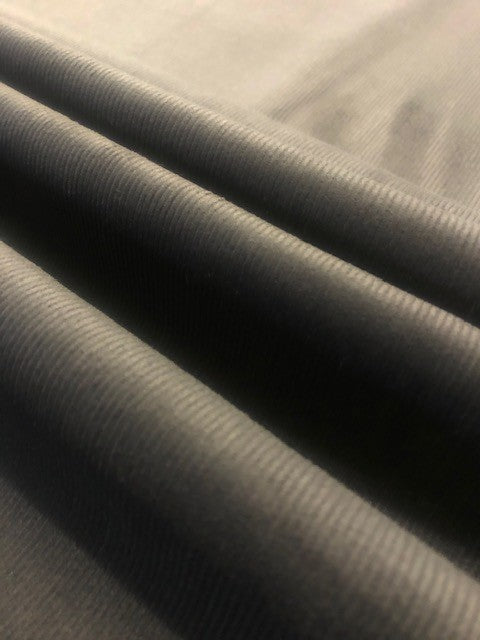
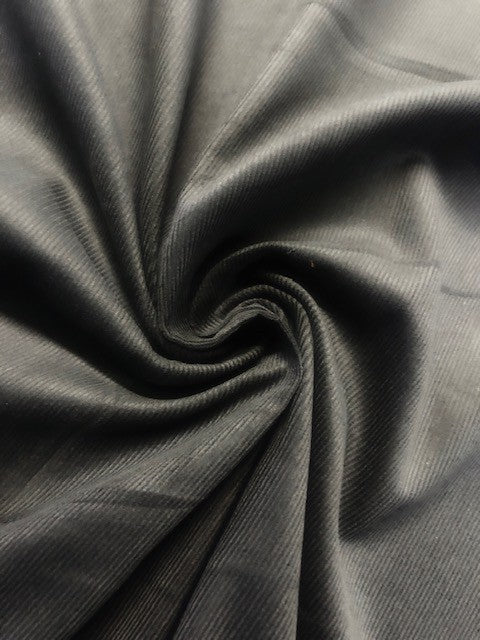
Black 16-Wale Cotton Corduroy – 148 cm Wide Black 16-Wale Cotton Corduroy – 148 cm Wide
46 In Stock
Charcoal 16-Wale Cotton Corduroy – 148 cm Wide Charcoal 16-Wale Cotton Corduroy – 148 cm Wide
46 In Stock
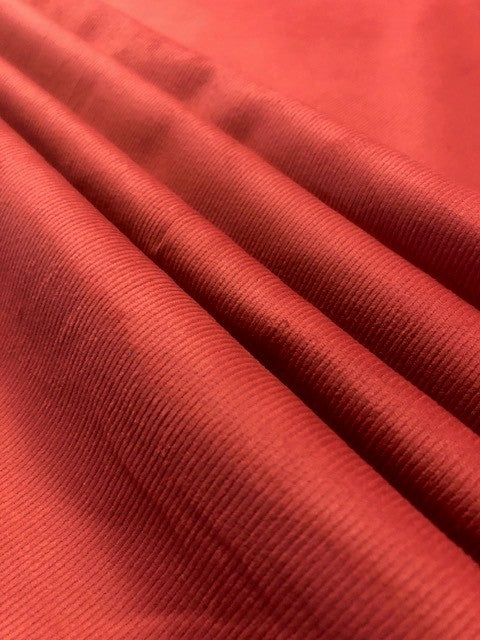
Brick 16-Wale Pincord Cotton Corduroy – 148 cm Wide Brick 16-Wale Pincord Cotton Corduroy – 148 cm Wide
47 In Stock
Blue 21-Wale Pincord Cotton Corduroy – 148 cm Wide Blue 21-Wale Pincord Cotton Corduroy – 148 cm Wide
49 In Stock
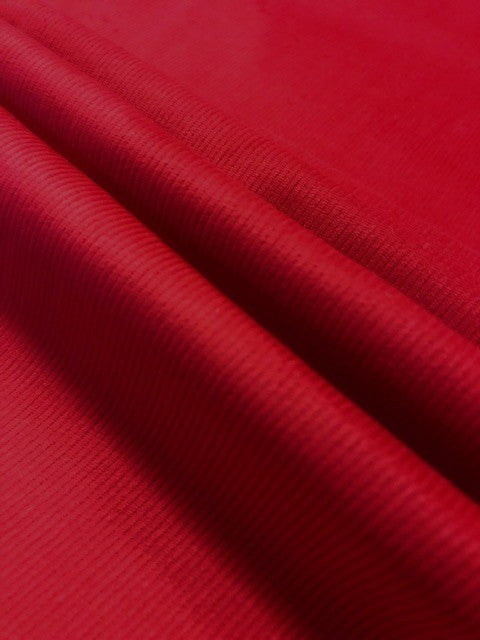
Red 16-Wale Cotton Corduroy – 148 cm Wide Red 16-Wale Cotton Corduroy – 148 cm Wide
20 In Stock
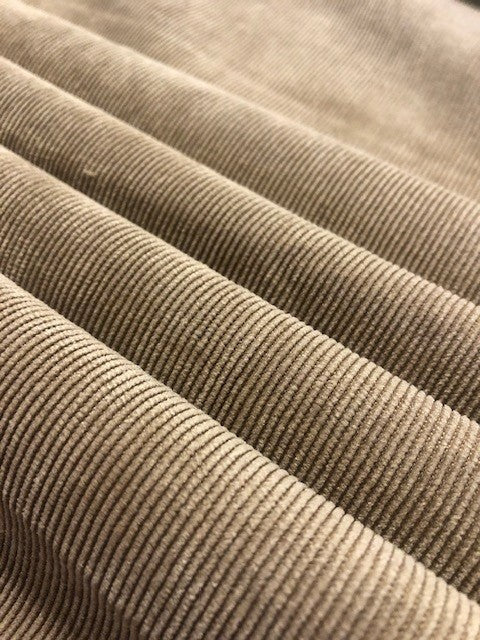
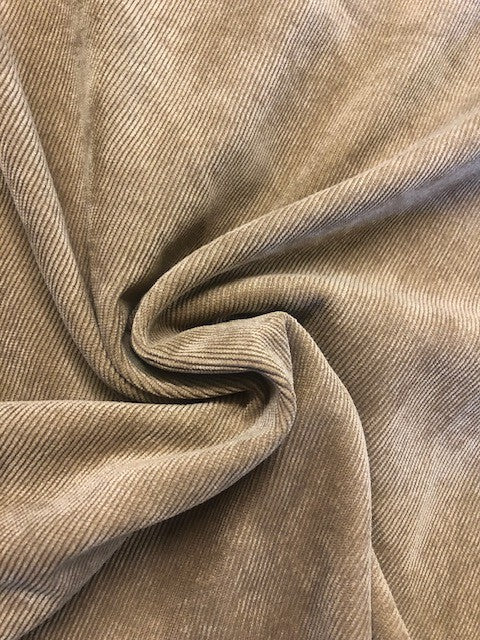
Taupe Stretch Corduroy – Soft, Stylish & Perfect for Modern Garments Taupe Stretch Corduroy – Soft, Stylish & Perfect for Modern Garments
25 In Stock
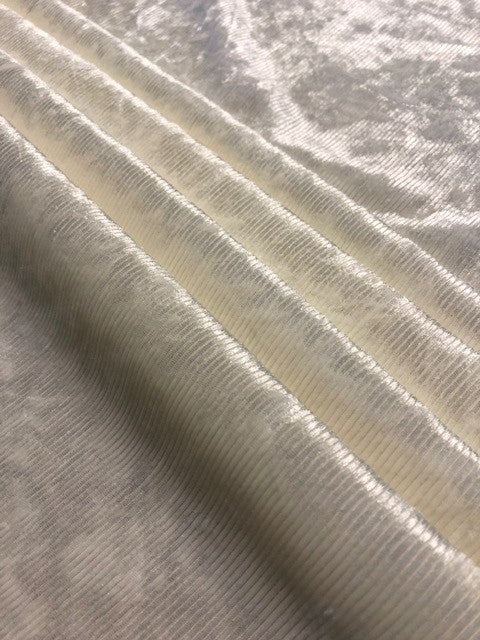
Ivory Ribbed Velour Fabric – Luxurious Soft Stretch for Autumn/Winter Garments Ivory Ribbed Velour Fabric – Luxurious Soft Stretch for Autumn/Winter Garments
28 In Stock
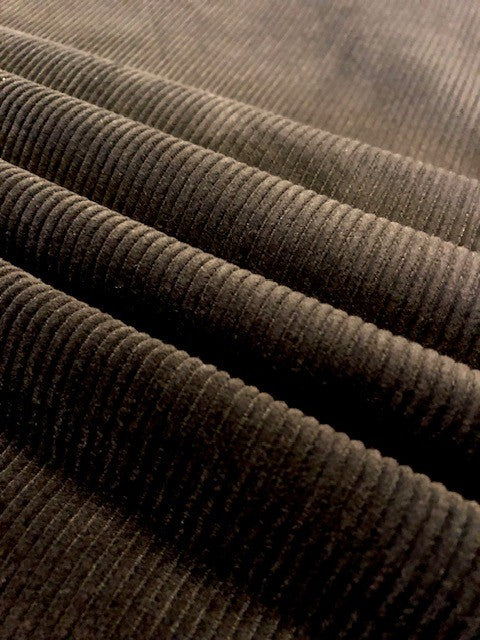
Hazelnut Ribbed Velour Fabric – Warm, Luxurious Stretch for Premium Winter Garment Hazelnut Ribbed Velour Fabric – Warm, Luxurious Stretch for Premium Winter Garment
20 In Stock
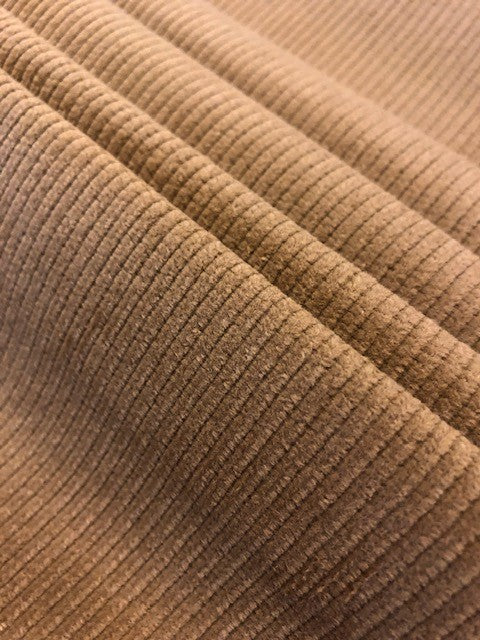
Tan 100% Cotton Corduroy – 152 cm Wide Soft Dress & Craft Fabric Tan 100% Cotton Corduroy – 152 cm Wide Soft Dress & Craft Fabric

Corduroy Worth Sewing

Corduroy has a way of making everyday garments feel more considered. The ribbed texture adds warmth and interest even in simple patterns, which is why it remains such a reliable choice for dressmakers working across different skill levels and styles. Pincord brings a refined, close-woven feel that suits tailored pieces and finer garments, while heavier cotton corduroy provides the body and structure needed for outerwear, workwear-inspired separates, and anything that needs to hold its shape across a season of wear.

Stretch corduroy opens up the range further, offering the same distinctive texture with the added comfort and ease of movement that fitted garments demand. It is particularly well suited to trousers, fitted skirts, and close-cut dresses where rigid cloth can make fitting a challenge. Ribbed velour takes a different direction entirely - softer in hand and with a more fluid drape, it works well for relaxed autumn and winter makes where you want fabric that feels luxurious without needing to be treated carefully.

The colour range across the collection reflects how broadly corduroy gets used. Deep bottle green, charcoal, navy, and black work for classic tailoring and outerwear. Warmer tones - brick, tan, hazelnut, maroon - suit more expressive seasonal projects. Teal and red bring something sharper for makers who want fabric that makes a statement. That range of options means corduroy can move between practical staples and more considered design choices without feeling limited.

For anyone buying corduroy fabric to use in regular sewing, competitive pricing matters - but so does quality and variety. The Amothreads range covers both, with 100% cotton options and blended constructions that suit different end uses. Whether you are sewing for yourself, for customers, or in small runs, you will find cloth here that is worth cutting into.

Choosing Corduroy With Confidence

Corduroy is one of those fabrics that can shift easily depending on the wale, weight and finish. Finer pincord works well for shirts, dresses, relaxed trousers and softer everyday pieces, while heavier corduroy can handle more structure for jackets, pinafores and sturdier separates. That makes it useful for makers who want one fabric type that can stretch across different seasons and sewing styles.

For dressmakers, the appeal is that it adds interest without needing a complicated pattern. A simple shape can still feel finished and distinctive because the fabric already brings texture and presence. Whether you sew for yourself, for customers or for small production runs, discount corduroy is often a practical choice because it works hard across a wide range of garments.

Corduroy is useful because it brings together practicality and character in a way that very few fabrics do. It has warmth, texture and a softness that makes garments feel comfortable to wear, but it can also hold enough shape to give structure where you need it. That balance makes it a strong choice for dressmakers who want fabric that feels interesting without being difficult to style or wear.

It also adapts well across different types of sewing. A finer cord can feel relaxed and easy for shirts, dresses and everyday separates, while a weightier corduroy can create jackets, trousers and pinafores with more presence. For hobbyists and professionals alike, it is a fabric that offers plenty of scope without feeling limiting, which is a big part of its staying power.

Corduroy is often associated with trousers and pinafores, but it can do much more than that. Depending on the weight and wale, it works beautifully for overshirts, shirt dresses, skirts, dungarees, relaxed blazers, jumpsuits and childrenswear. It can also be used for details that give a garment more personality, such as collars, pockets, cuffs or contrast panels.

That is where corduroy becomes especially appealing for makers. It can be the main fabric in a project or something you use more creatively to add depth and texture. If you enjoy experimenting, it gives you plenty of room to move between practical staples and more distinctive pieces. For professional dressmakers, it also offers the kind of visual richness that can make even simple designs feel more considered and complete.

Start with the garment, not the fabric name. Think about whether you want drape, softness and movement, or a bit more body and structure. A shirt dress or loose blouse will usually need something lighter and more flexible than a jacket or pinafore. Once you know the feel you want, it becomes much easier to choose between finer and heavier corduroy without second guessing yourself.

It also helps to be honest about how you sew. If you are a hobbyist, you may want something forgiving and versatile that can work across a few patterns. If you sew professionally, consistency and finish may matter just as much as price. The best cheap corduroy is not simply the lowest priced option. It is the one that suits the design properly and earns its place on the cutting table.

Stretch corduroy requires a few adjustments compared to its non-stretch equivalent, but it is not significantly more difficult. Use a stretch or ballpoint needle to prevent skipped stitches, and choose a stitch that has a little give – a slight zigzag or dedicated stretch stitch works well for seams that need to move with the fabric. A walking foot helps keep layers feeding evenly on longer seams.

The benefit is that stretch corduroy is considerably more forgiving to fit. Trousers, fitted skirts, and close-cut dresses benefit from the added ease of movement, and garments tend to be comfortable straight off the machine without the extensive fitting adjustments that rigid corduroy can sometimes demand. For everyday wearable makes, it is often the more practical choice.