Filters

Filters

£
to
£
56 products
Sort by
Sort by

Lace That Does the Work

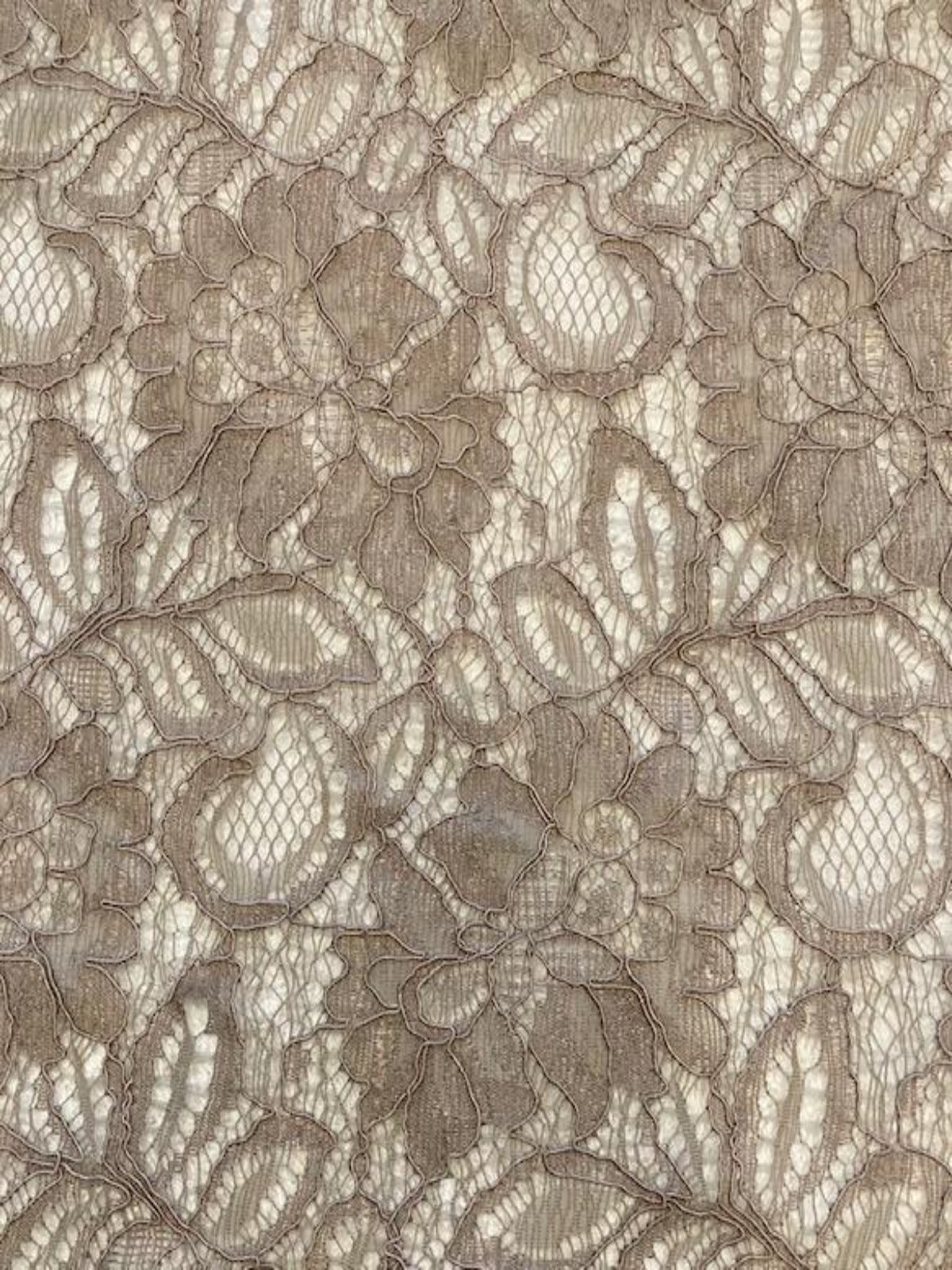
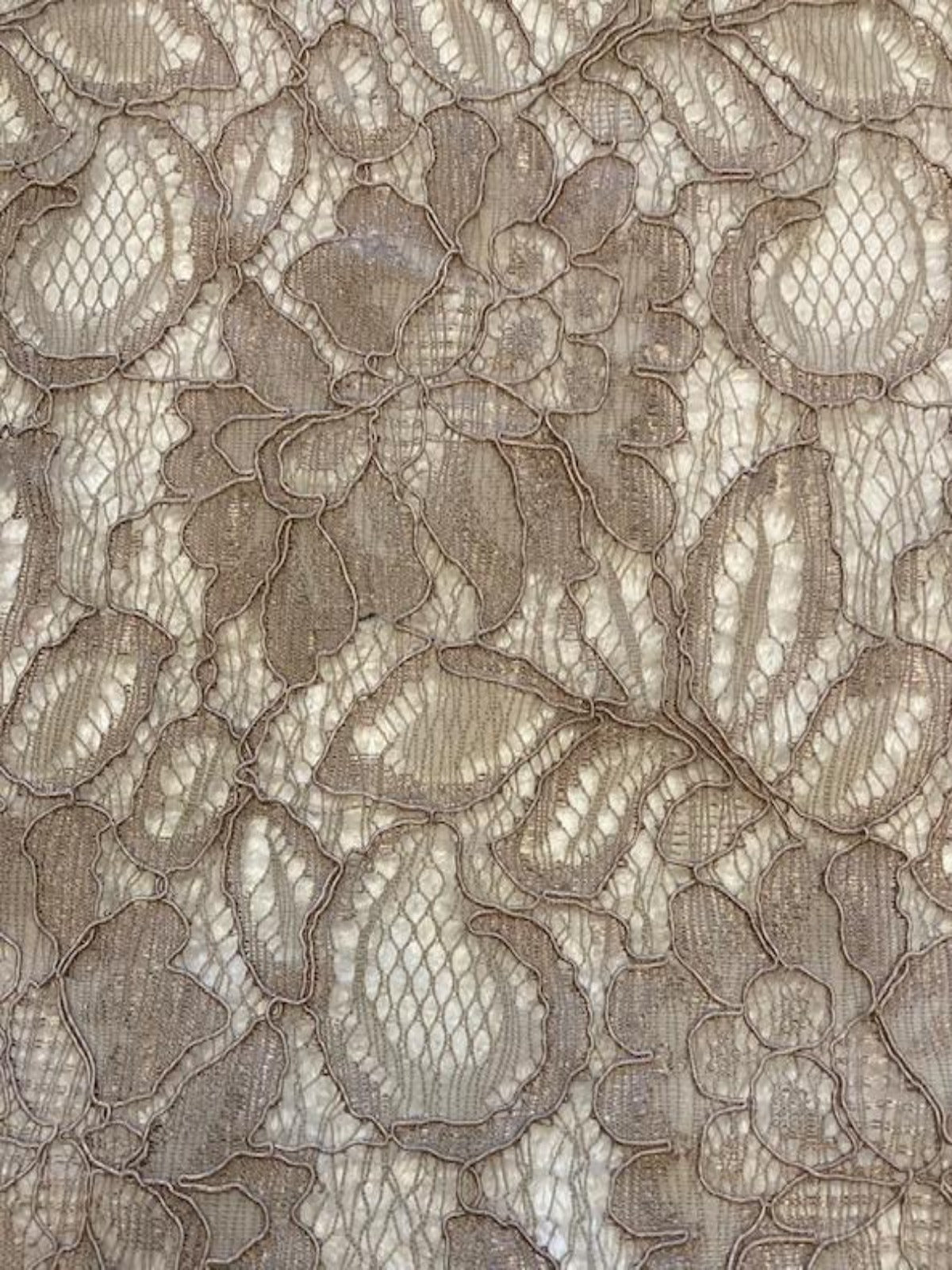
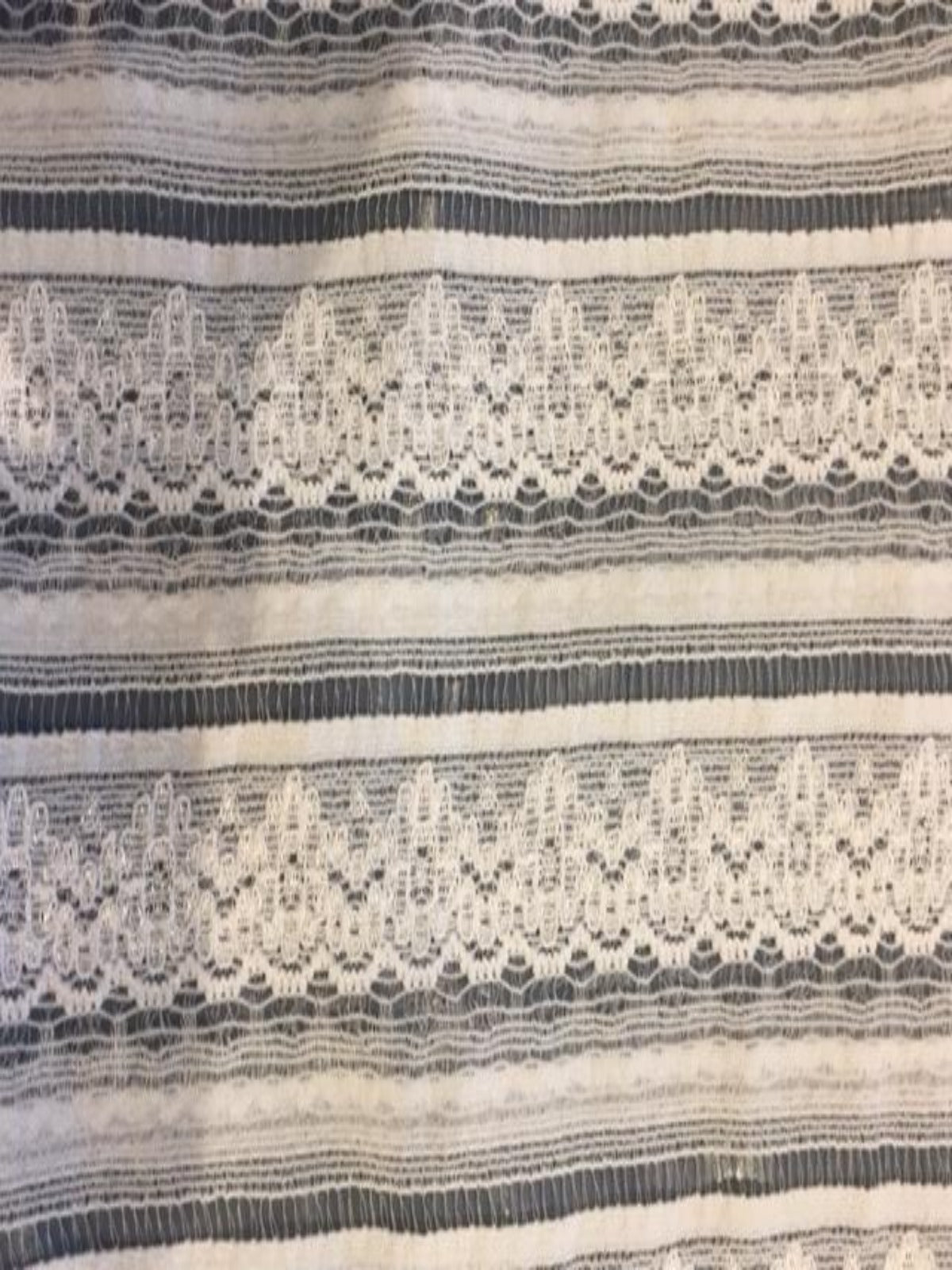
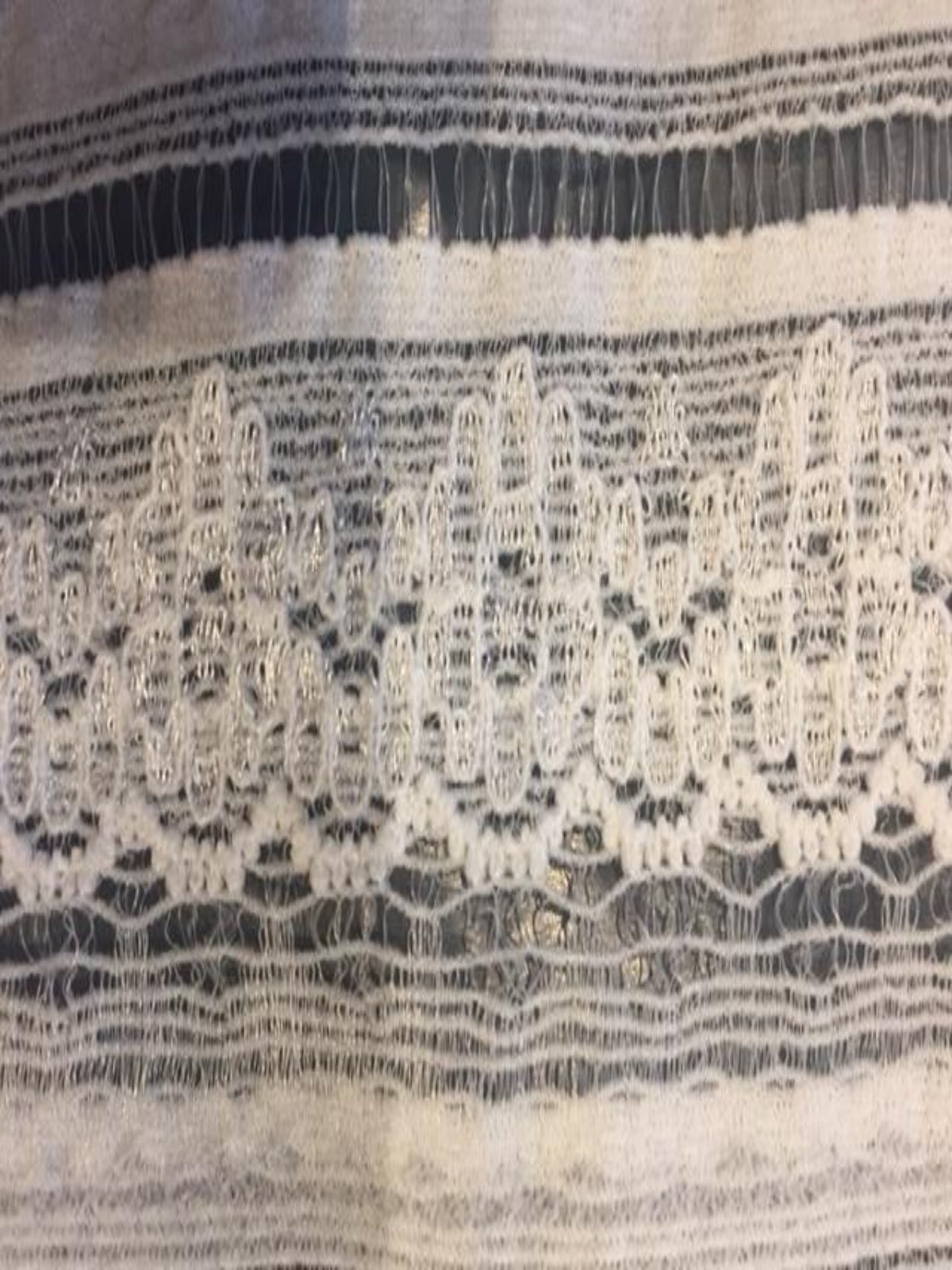
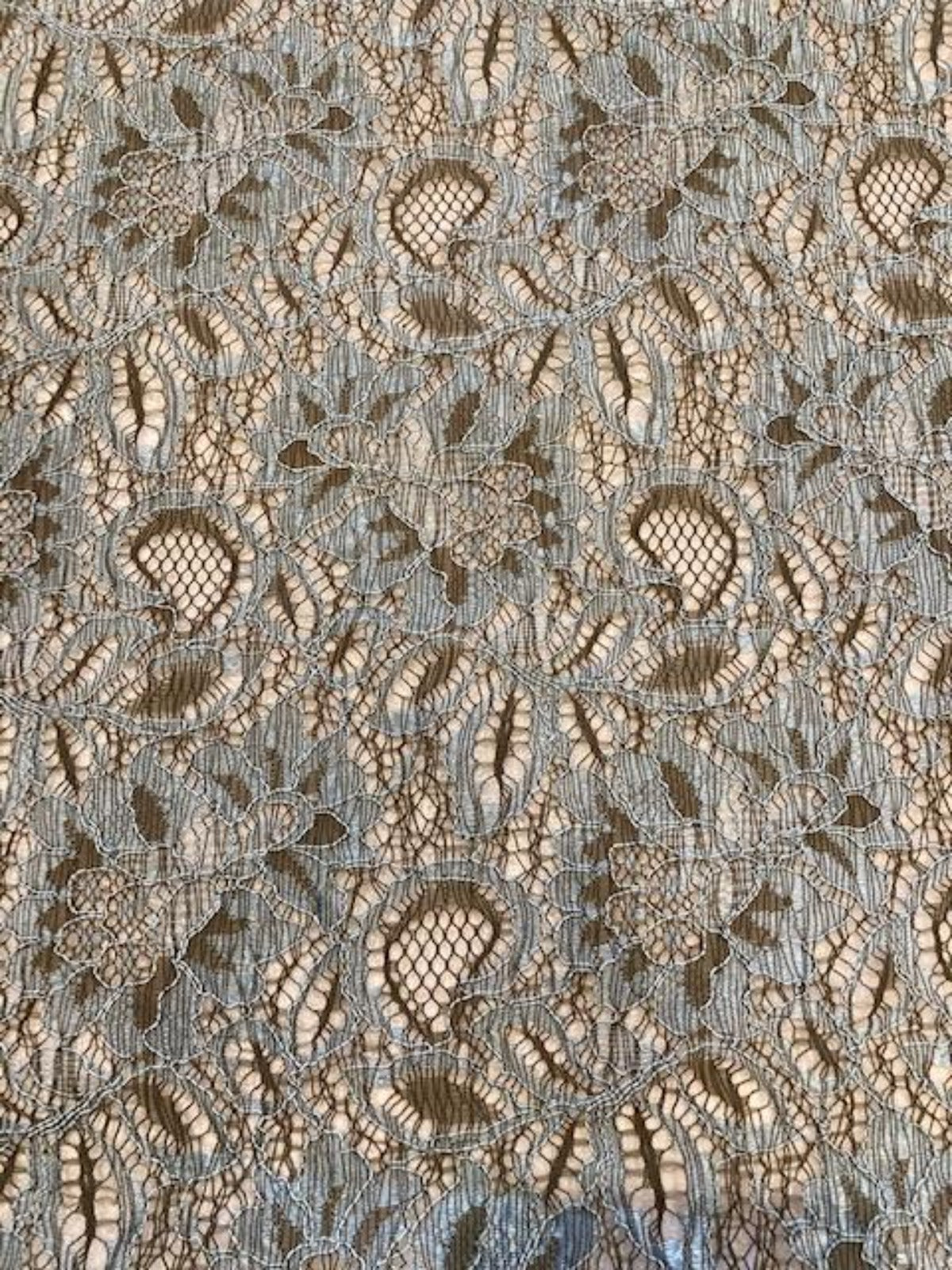
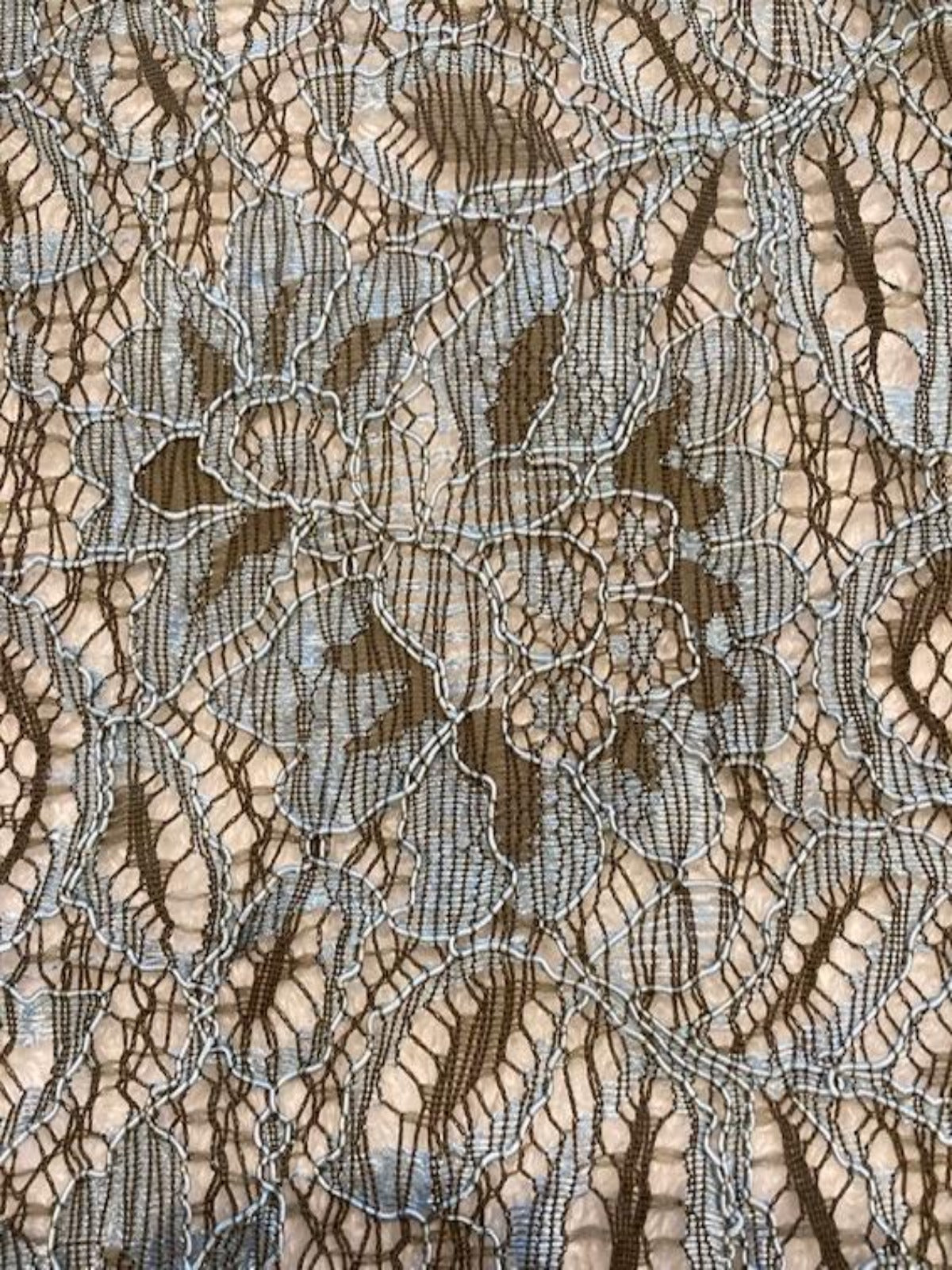
Lace is one of the few materials that can carry an entire garment on its own. Chosen well, it brings structure, texture, and detail in a single cloth – qualities that are difficult to replicate with any other fabric. The range at Amothreads reflects that versatility, covering corded lace, embroidered designs, metallic thread work, sequin mesh, laser cut tulle, and appliqué pieces across a broad spread of colours and price points.

For bridal and occasion wear, the ivory and white options are particularly strong. Corded lace with scalloped edges gives a clean, refined finish suited to bodices, sleeves, and hems, while the laser cut designs on tulle add depth and movement for more elaborate construction. Dusty pinks, deep mauves, and burgundy options widen the scope for colour work, and the embroidered lace with metallic thread translates well into eveningwear and performance pieces where light interaction matters.

Sequin and embroidery on mesh is worth particular attention for fitted and structured designs. The mesh base gives stretch and recovery, while the surface detail reads well at a distance – useful for stage, event, and occasionwear applications where impact from across the room is part of the brief. Smaller pieces such as appliqués and edging trims are also available, giving makers the option to add lace detail selectively rather than committing to full yardage. Orders over £50 qualify for free UK mainland shipping, making it straightforward to combine a few pieces in a single order.

Pricing across the range is competitive, from accessible options suited to sampling and trim work through to more considered investment pieces for flagship projects. Whether you are buying lace for sale garments, bespoke commissions, or your own wardrobe, the breadth of the range means there is a realistic option at most budget levels without compromising on how the finished work looks.

Practical FAQs for Buying Lace

The range covers a wide variety of lace types, including corded lace with scalloped edges, embroidered floral lace, lace with metallic thread detail, sequin and embroidery on mesh, laser cut designs on tulle, appliqué pieces, and lace edging trims. Colours span ivory, white, nude, pink, dusty pink, mauve, burgundy, slate, olive, chartreuse, cobalt, and gold among others.

With 45 products across the collection, there is enough variety to suit bridal, eveningwear, lingerie-inspired, and occasion wear applications, as well as creative and theatrical projects where distinctive surface texture is part of the design intent.

Corded lace uses raised cording to outline and define its motifs, giving it a structured, three-dimensional quality that reads well in both photography and wear. It tends to have more visual weight and works particularly well for fitted bodices, sleeves, and hemlines where definition matters.

Embroidered lace is typically worked onto a base fabric – often mesh or tulle – with thread forming the pattern rather than cord. This can result in a softer, more fluid feel, especially when combined with metallic thread or sequin detail. The choice between the two usually comes down to the structure and finish required by the garment.

Some lace types are more forgiving than others for newer makers. Stable, medium-weight corded lace is generally easier to handle than very fine or stretchy alternatives – it holds its position on the cutting table and feeds more predictably through a domestic machine. Starting with a clearly defined motif also helps, as it makes pattern placement and cutting decisions more straightforward.

Stretch lace and very fine mesh-based options require a little more experience to control well, but with the right needle, thread, and foot they are manageable. If you are new to lace, it is worth ordering a small quantity first to test how the fabric handles before cutting into a full project.

Absolutely. While lace is most commonly associated with bridal and occasion wear, it has a much broader application in skilled hands. Lace panels in casual tops and dresses add texture without formality. Sequin mesh works well in contemporary streetwear and festival contexts. Laser cut tulle can be used in layered skirt constructions that read as fashion-forward rather than traditional.

For those making lingerie, activewear-inspired pieces, or structured separates, lace provides surface interest and a design edge that plain fabrics cannot replicate. The range at Amothreads includes enough variety in weight, stretch, and aesthetic to support projects well beyond the obvious bridal category.

Guipure lace has no net or mesh background – the motifs connect directly to each other, creating a solid, self-supporting structure. This gives it a bold, graphic quality quite different from the more delicate look of corded or embroidered lace on tulle. It is particularly well suited to statement sleeves, structured overlays, and garments where the lace itself provides both decoration and a degree of body.

Because guipure has no background fabric to cut through, it requires a different approach to seaming and finishing. Motifs are typically matched and joined at the edges, making placement planning an important part of cutting. The result, when done well, looks exceptional – seamless and intentional in a way that other lace constructions struggle to match.