Denim
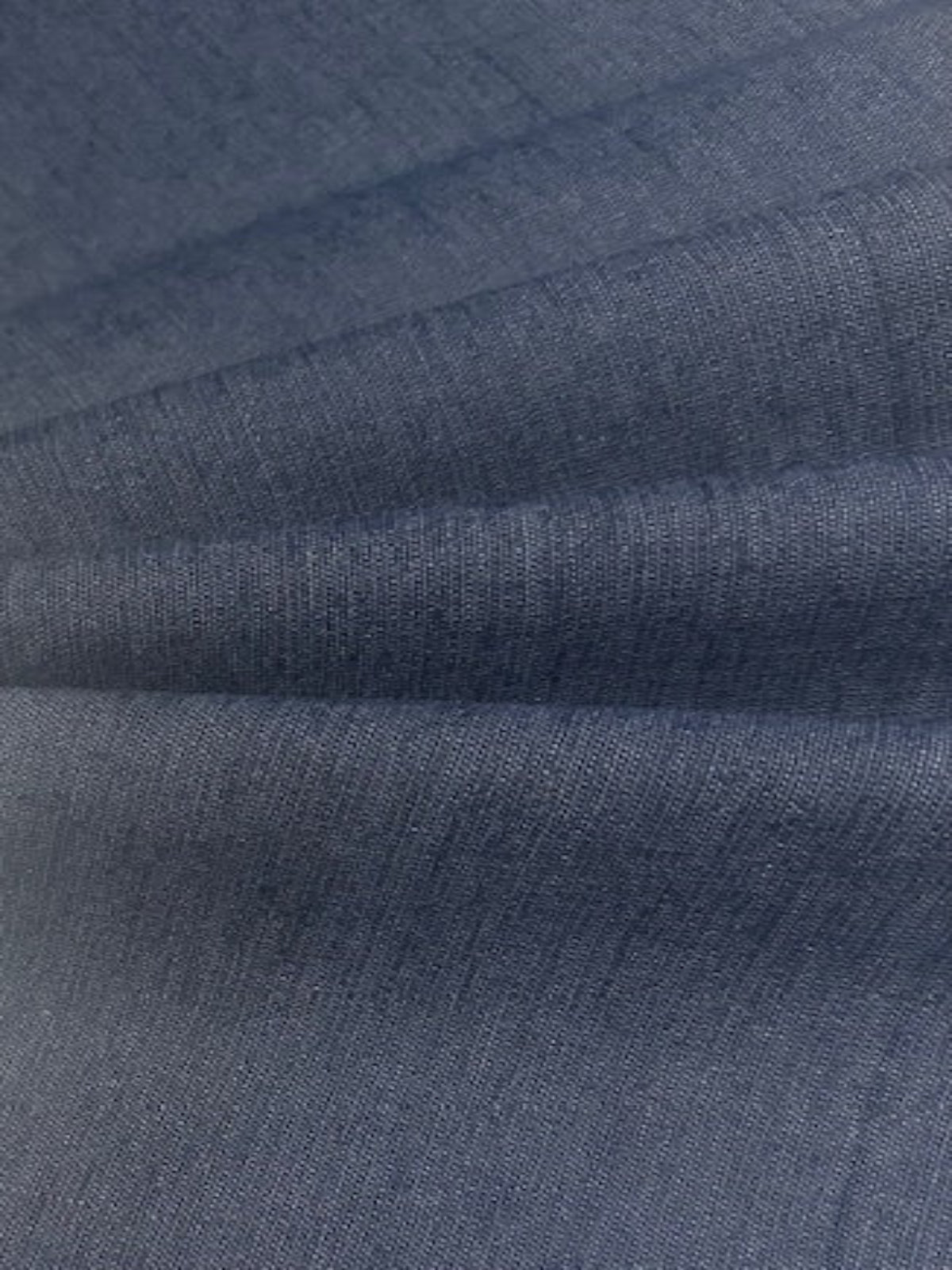
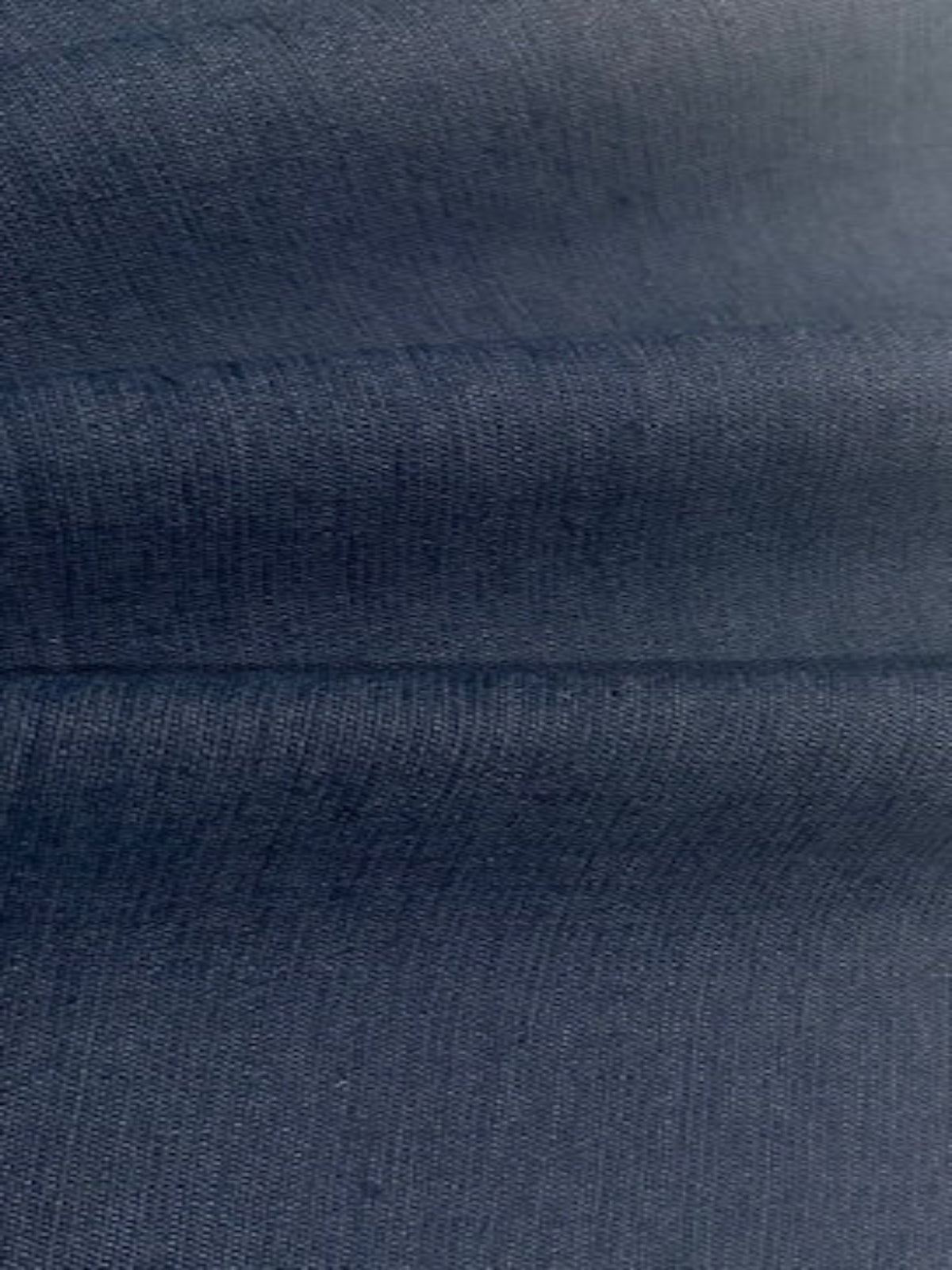
Shop discount denim for dressmaking and everyday sewing projects that need structure, comfort and versatility. The range currently includes cotton and cotton linen blend denim styles with one way stretch, offering a practical choice for makers who want fabric with a classic denim look but an easier feel to sew and wear. These denims are well suited to dresses, skirts, trousers, lightweight jackets and casual separates, with soft blue and blue grey tones that work across seasons. For hobbyist and professional dressmakers alike, it is a focused range with plenty of potential, all in stock and ready for dispatch.
Denim That Works Hard
Denim remains one of the most useful fabrics in a dressmaker’s stash because it brings together practicality, structure and everyday wearability. The denim page currently focuses on softer blue and blue grey options in cotton and cotton linen blends with one way stretch, which makes them especially appealing for garments that need comfort as well as shape. That kind of denim works well when you want the familiar look of denim without the stiffness some heavier qualities can bring.For hobbyists, that opens up a lot of possibilities. These fabrics are well suited to simple dresses, skirts, easy trousers and relaxed jackets, especially if you like patterns that can be worn on repeat. For professional makers, they also offer a practical route into pieces that feel polished but approachable. Cheap denim only works if it still earns its place on the cutting table, and softer stretch qualities often do exactly that because they are comfortable, flexible and easy to turn into everyday staples.
Deadstock denim also has a different kind of appeal. It gives makers access to fabric with character while supporting a more thoughtful way of buying, and that matters to anyone trying to sew with more intention. Sustainable denim is not just about the story behind it. It is about making use of fabric that is already there and turning it into garments that will actually be worn, whether that means a neat pinafore, a practical overshirt or a pair of relaxed trousers.
Although terms like remnants, offcuts, cut-offs and roll ends sometimes appear around deadstock fabrics, the main attraction here is usable dressmaking fabric with genuine versatility. The current range may be focused rather than huge, but that can be a strength. Instead of endless choice, you get denim styles that feel relevant to real sewing projects, with wearable colour, useful composition and stretch that makes them easier to fit into modern wardrobes.
Denim Sewing Questions Answered
Denim is a great choice for all sorts of dressmaking projects, not just jeans. Depending on the weight and finish, it works beautifully for shirt dresses, skirts, pinafores, jumpsuits, overshirts, relaxed trousers and lightweight jackets. It is especially useful when you want a fabric with a bit of structure that still feels comfortable enough for everyday wear.
That versatility is a big part of its appeal for both hobbyist and professional makers. A softer denim can feel easy and wearable, while a firmer one can create more shape and definition. If you like sewing practical garments that still feel stylish, discount denim can give you plenty of options without limiting you to one type of make.
Not at all. Jeans may be the most obvious use for denim, but it is far from the only one. Denim can work just as well for dresses, skirts, jackets, dungarees, shirts and utility-style pieces. The final result depends on the weight, drape and amount of stretch, so it is a fabric that can move across a lot of different sewing styles.
That makes it especially useful for dressmakers who want one fabric category with broad potential. A softer or lighter denim can feel surprisingly versatile, especially for garments that need shape without feeling stiff. Cheap denim can still be a strong choice if it handles well, wears comfortably and suits the kind of pieces people actually want to make and wear.
Stretch denim simply means the fabric has some give, which can make a real difference in comfort and movement. For dressmaking, that can be especially helpful in fitted skirts, trousers, jumpsuits and dresses where you want the look of denim but do not want the finished garment to feel too rigid or restrictive.
It also makes sewing a little more forgiving in some cases, particularly for everyday garments that need to move with the body. Stretch denim can be a very practical middle ground between rigid workwear-style denim and fabrics that feel too soft or unstable. For many makers, discount denim with some stretch is easier to fit into a modern wardrobe because it combines structure with wearability.
No, not necessarily. Price on its own does not tell you whether denim is worth buying. Sometimes a lower price reflects sourcing rather than quality, especially with deadstock denim, roll ends or other surplus fabrics. What matters more is whether the fabric has the right weight, feel and durability for the garment you want to make.
For dressmakers, that is the real test. If the denim sews well, holds its shape, feels good to wear and suits the project properly, it can be excellent value. Cheap denim only becomes a problem when the fabric feels weak, awkward or disappointing in the finished piece. A well-chosen lower-priced denim can still produce garments that feel strong, polished and made to last.
Start by thinking about the garment you want to make. If you are sewing a shirt dress or a softer skirt, look for denim with a bit more drape and movement. If you are planning trousers, dungarees or a jacket, you may want something with more body and structure. The right choice comes down to how you want the finished piece to feel and hang.
It also helps to be realistic about how you sew and wear your clothes. Hobbyists may want something versatile and forgiving, while professional makers may look more closely at finish, consistency and how the fabric performs across repeated projects. The best discount denim is not simply the cheapest option. It is the one that suits the design properly and turns into something genuinely wearable.
